


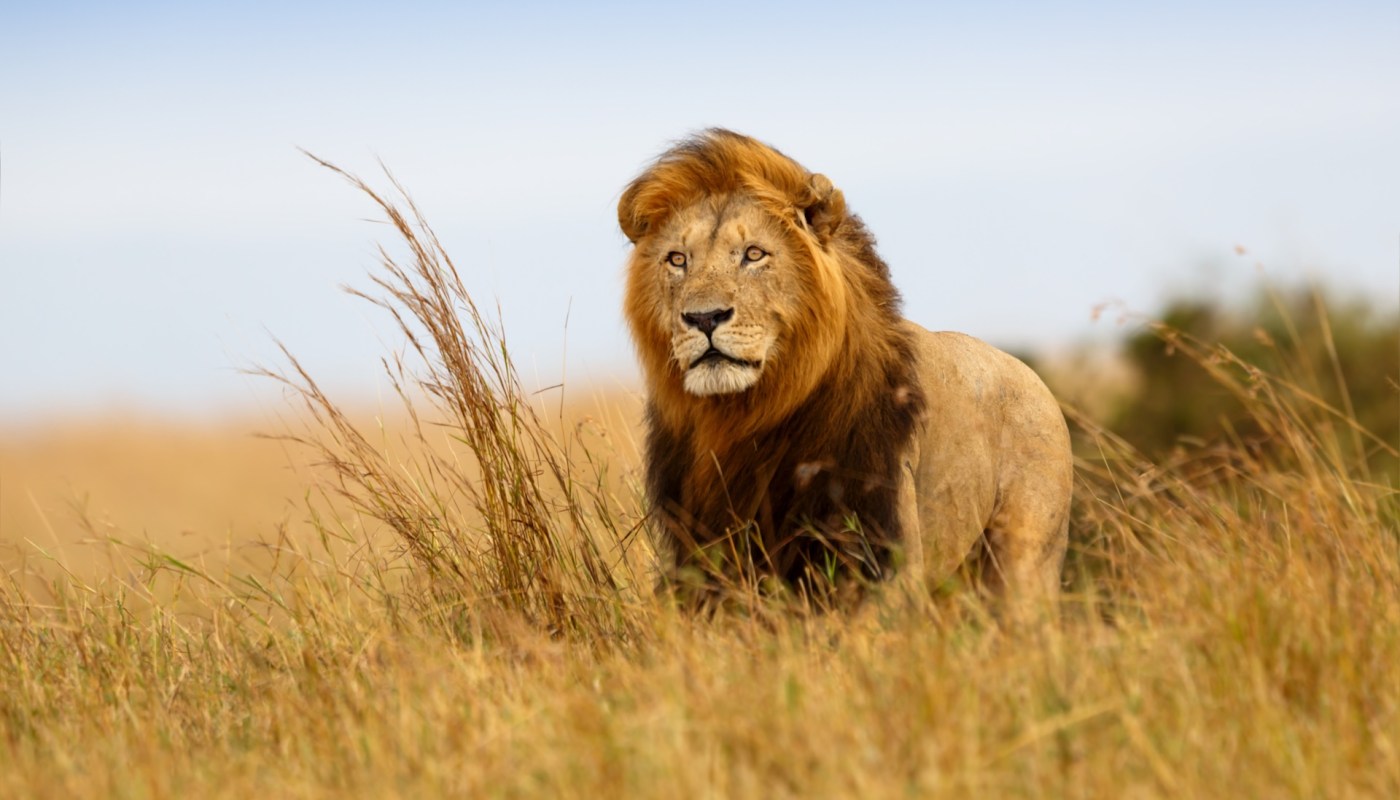
The sound of safari in Kenya's Maasai Mara may be starting to change as some tour operators swap gas-powered vehicles for solar-charged electric ones. At dusk, as an elderly lion named Oloimina sent roars across the savannah, the usual diesel rumble from safari trucks was missing. The shift could create quieter wildlife encounters that are better for both animals and visitors.
Here's what to know
Adoption remains fairly limited, but Outside reported that the shift could still have significant effects on safari tourism. In the Maasai Mara, Asilia Africa's Emboo Camp operates 10 electric safari vehicles powered by solar panels and battery storage, rather than relying solely on the grid or diesel.
That stands out even more because safari tourism in the region is expanding quickly. As cited by Outside, industry group Go2Africa said annual growth reached 14% in 2023, then 12% in 2024 and 7% in 2025. More tourists usually means more vehicles near wildlife, along with more engine noise and exhaust.
Ashley Revay, a Miami University master's student who studies how wildlife responds to safari vehicles, said diesel engines create problems that go beyond sound.
"They turn them on, and there's this big puff of smoke that goes into the air, and that also affects wildlife smelling for prey, smelling for each other, and marking territory," she said.
More background
Guides and researchers say animals often behave differently around electric vehicles than they do around diesel trucks. Outside reported that in Revay's fieldwork in the Maasai Mara and Botswana, many species allowed EVs to get closer before reacting and returned to normal behavior sooner after the vehicles left.
TCD Picks » Quince Spotlight
💡These best-sellers from Quince deliver affordable, sustainable luxury for all




Felix Ololoso, a guide and driver at Asilia's Emboo Camp, said those differences can directly shape the safari experience.
"If there is hunting going on, you just stop. You don't have to turn the car off, turn the engine off. You just wait for the action," he said.
The change is not without tradeoffs, though. Because EVs approach so quietly, animals can be surprised at close range. Revay saw distress responses from elephants, and Reuven Yosef, a professor at Ben Gurion University in Israel, warned that startled animals may make dangerous split-second movements.
Even so, lower-pollution safaris are attracting travelers who want their trips to better align with conservation values, as well as local guides who view cleaner transportation as one way to help protect the landscapes where they live and work.
What's being done?
One approach comes from companies such as Silent Savannah, which retrofit Toyota Land Cruisers into electric safari vehicles using repurposed EV batteries and drivetrains and connect them to solar charging systems, according to Outside.
Silent Savannah chief technology officer Henry Fairey said, "We started developing solar containers, and they've started to gain interest. They play a critical part in most camps — they run the camps, they charge the vehicles."
For everyday consumers, buying an electric vehicle can mean saving money on gas and reducing routine maintenance, since EVs have fewer moving parts and don't need oil changes.
As solar panels and battery systems become more affordable, this model — quiet EVs powered by the sun — could become increasingly practical in remote destinations and closer to home.

Get TCD's free newsletters for easy tips, smart advice, and a chance to earn $5,000 toward home upgrades. To see more stories like this one, change your Google preferences here.






