


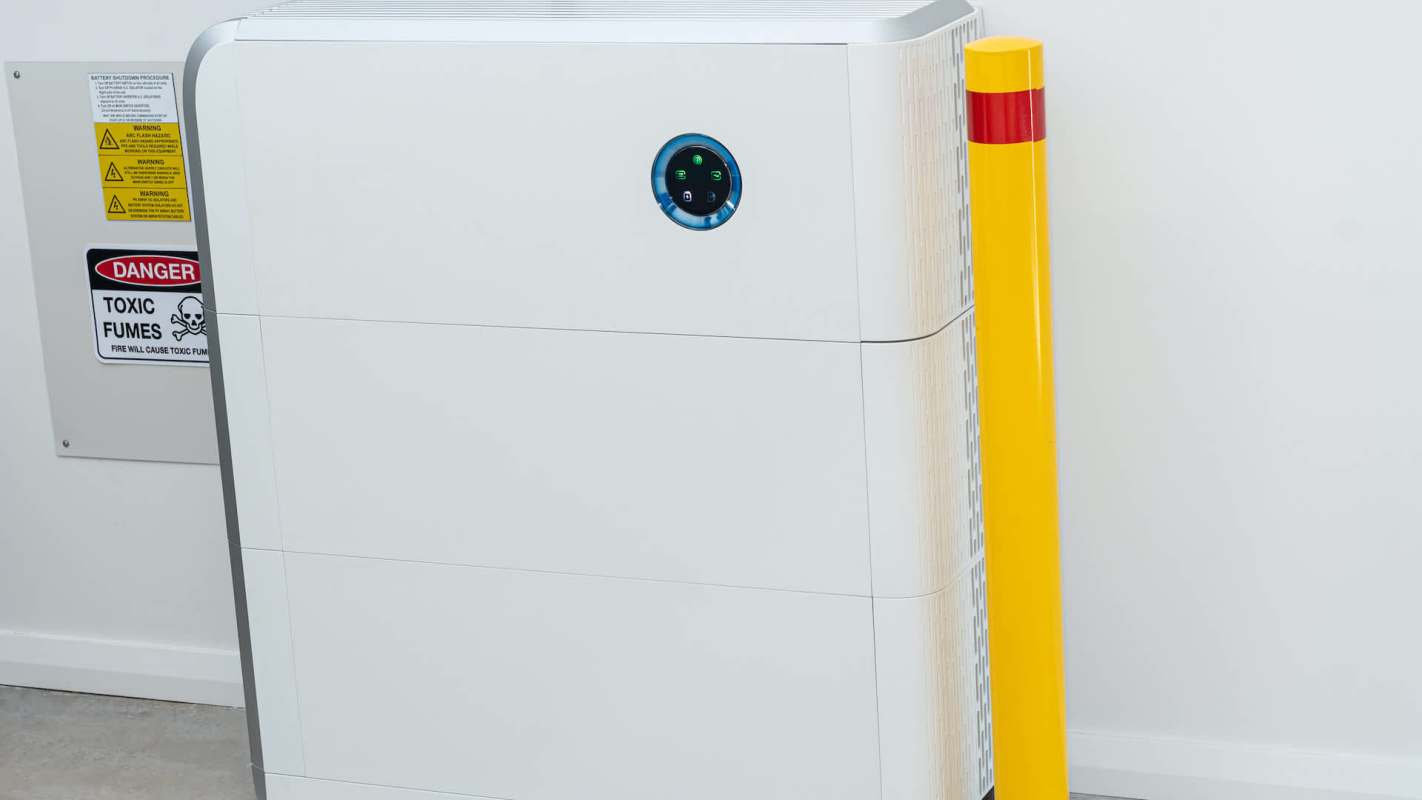
When a home battery sends power back to the grid can matter almost as much as how much energy it holds. A Southern California homeowner reached out on Reddit to maximize the return for their export window.
Here's what to know
The homeowner noted that there was a dramatic difference in the export rate between 5 and 9 p.m., at 8 cents per kilowatt-hour, and the 1-5 a.m. window, which was 10 times that amount.
"Enlighten tells me that it is dumping the batteries around 7-8 p.m. in AI mode, which is the peak for incoming power, but I should obviously be dumping around 2 a.m. in order to maximize return," they explained in r/enphase. "How do I get the app to maximize that return?"
They noted that they used ChatGPT to conduct the research.
This raised a red flag for one user, who noted that the artificial intelligence system can be prone to hallucinations, confidently stating inaccurate information as fact. They recommended that the poster cross-check their findings with the Enphase app.
More background
A battery is one of the best tools a homeowner can use to shift energy use, reduce bills, and get more value from solar power, but those savings depend on accurate automation.
In this case, after taking a look at the app, the OP realized that the Southern California Edison spreadsheet they had fed into ChatGPT used Coordinated Universal Time rather than local time, which meant the system was behaving closer to expectations than they had assumed.
If you're weighing whether battery storage makes sense for your home, it may be worth exploring EnergySage's free tools to get information about home battery storage options, including competitive installation estimates. EnergySage has teamed up with the electrification brand Qmerit to guarantee you get the best price on home battery storage solutions.
Save $10,000 on solar panels without even sharing your phone number Want to go solar but not sure who to trust? EnergySage has your back with free and transparent quotes from fully vetted providers in your area. To get started, just answer a few questions about your home — no phone number required. Within a day or two, EnergySage will email you the best options for your needs, and their expert advisers can help you compare quotes and pick a winner. Solar panels can save you more than $50k over their 25-year lifespan, and EnergySage can help you save as much as $10k on installation. Which begs the question — isn't that worth an email or two? |

For people looking for a more affordable backup option, Pila offers plug-and-play batteries that cost a fraction of what whole-home backup systems do.
What can be done?
Utility schedules are not always shown in the time zone customers expect.
If a rate table uses UTC instead of local time, a battery may seem to be operating incorrectly when it is actually following a different clock.
When it comes to batteries, some households may benefit from a large system paired with rooftop solar, while others may prefer a low-cost portable setup that still offers protection during outages.
Ultimately, good battery economics are not just about choosing the right hardware. They also depend on making sure the software understands when electricity is worth the most.

Get TCD's free newsletters for easy tips, smart advice, and a chance to earn $5,000 toward home upgrades. To see more stories like this one, change your Google preferences here.







