


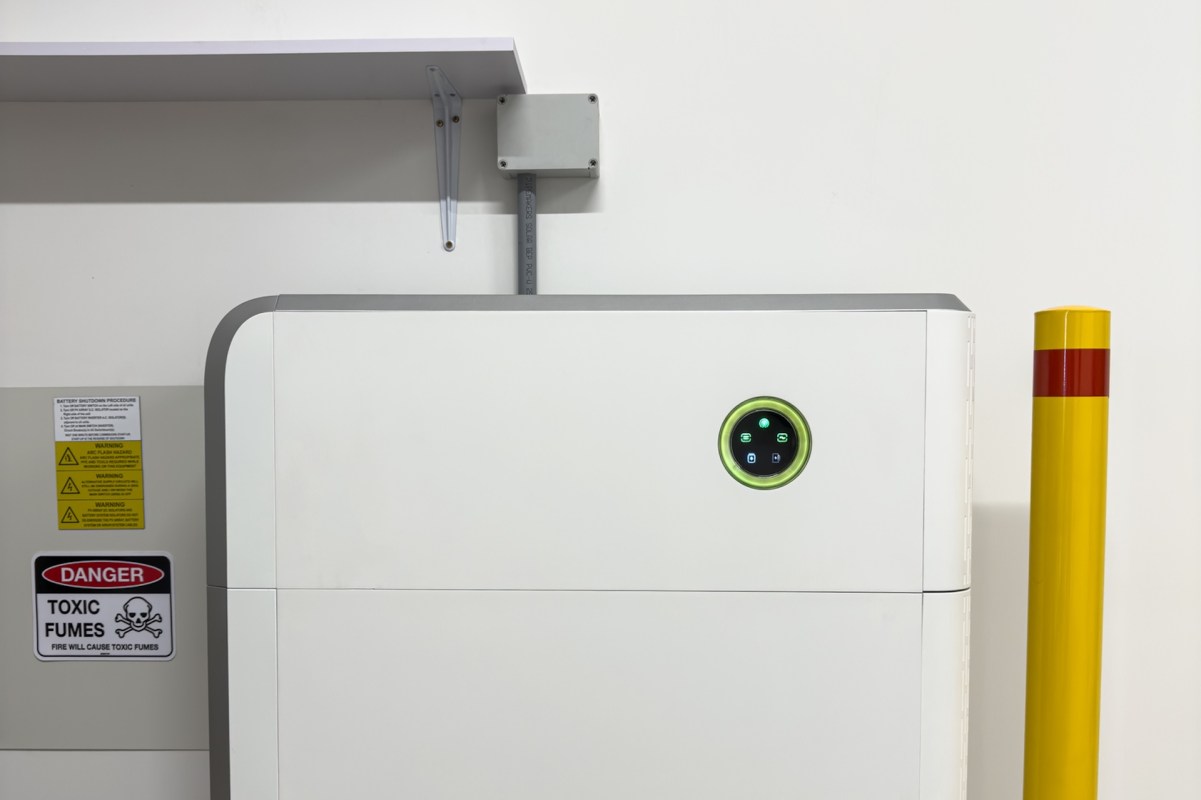
Connecticut is on the verge of giving home batteries a major boost after lawmakers advanced a bill that could make home solar and battery storage far more appealing for households, Electrek reported.
What's happening?
House Bill 5340 would keep Connecticut's current Residential Renewable Energy Solutions program and related community solar incentives in place through the end of 2035.
The most notable change is a new incentive structure. According to Electrek, starting in 2028, rooftop solar would face limits on annual procurement and incentive funding. The bill would create exemptions for solar and battery pairings from those caps.
That carveout could create a strong incentive for homeowners and installers to add batteries alongside rooftop panels.
State representative Jamie Foster, a co-sponsor of the bill, said in a statement on Facebook, "This measure modernizes Connecticut's renewable programs so clean energy can continue lowering bills, improving system reliability, and expanding consumer protection."
The bill did not advance without resistance. It reportedly survived a Republican filibuster threat. A proposed amendment that industry advocates said would have effectively blocked residential battery installations starting in 2027 did not move forward.
TCD Picks » Quince Spotlight
💡These best-sellers from Quince deliver affordable, sustainable luxury for all




As Sunrun lobbyist Kyle Wallace warned of the failed amendment, "If this amendment were to pass, as of Jan. 1, 2027, there would be no ability to do residential batteries in the state."
Why does it matter?
The bill could make clean energy planning more predictable over the next decade.
That kind of policy certainty is especially important in the solar market, where households and installers often make financial decisions years in advance. When incentive programs are unclear or unstable, adoption can slow.
The battery provision could be especially significant as electricity demand rises and utility bills remain stubbornly high. Batteries allow families to store solar energy for later, rely less on the grid, and keep power available during outages.
More battery-backed solar can also help ease strain on the grid and reduce reliance on dirtier backup power sources. That can lower harmful air pollution that fossil fuel generation creates.
What can I do?
For Connecticut residents considering solar, the bill could make solar and battery storage more attractive than panels alone.
For households that cannot install rooftop panels, community solar incentives could lower electricity costs without putting equipment on the home.

Get TCD's free newsletters for easy tips, smart advice, and a chance to earn $5,000 toward home upgrades. To see more stories like this one, change your Google preferences here.






