


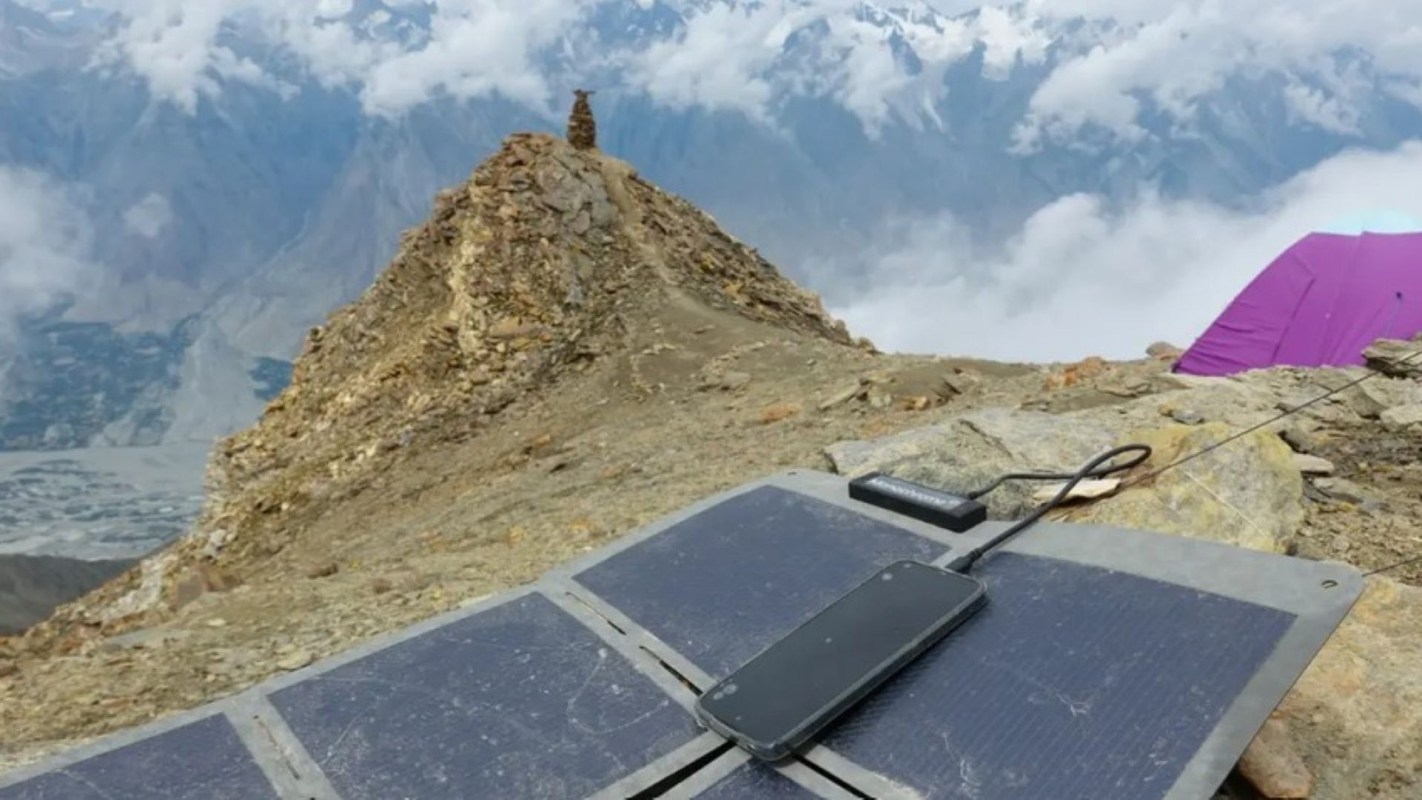
A solar prototype headed to one of the world's harshest high-altitude environments could offer an early look at how next-generation panels perform when reliable power is needed most.
Here's what to know
According to pv magazine, Monochrome plans to trial its perovskite solar technology near Pakistan's K2 Base Camp, where freezing weather, intense sunlight, and off-grid conditions will create a demanding real-world proving ground for the material.
K2 is the second-highest mountain in the world — just behind Mount Everest — and the Japanese company says it will field-test its perovskite solar prototype in the Karakoram region in the K2 Base Camp/Concordia area at roughly 16,900 feet (5,150 meters).
The device is expected to handle practical power needs during the expedition, with Japanese alpine climber Yudai Suzuki using it for satellite communications and equipment charging.
According to the company, the test is meant to show how well the prototype both endures and produces electricity in rugged off-grid conditions that can quickly expose shortcomings.
More background
Researchers and companies view perovskite solar as a promising way to expand where and how solar power can be used. In this case, Monochrome is linking that promise to a practical challenge: producing dependable electricity far from established infrastructure.
TCD Picks » Quince Spotlight
💡These best-sellers from Quince deliver affordable, sustainable luxury for all




If a lightweight or adaptable solar product can keep communications gear and essential electronics running in extreme environments, similar technology could eventually better support remote worksites, emergency response operations, and buildings that need resilient backup power.
For homes and businesses, building-integrated solar could turn roofs or walls into electricity-generating surfaces instead of relying on separate installations. And when cleaner on-site energy supplements or replaces traditional gas generators, it can improve air quality in dense cities and isolated communities alike.
What's being done?
Monochrome plans to recover the prototype and study both its electricity output and any physical deterioration. The evaluation could help determine how ready the technology is for more demanding commercial applications and should be complete within six months.
"In the world of mountaineering, gear must be more than just lightweight and user-friendly; it is crucial that it functions reliably without fail, no matter how harsh the conditions," Suzuki said in a press release, per pv magazine. "I am very excited to see how this next-generation energy technology performs in an environment fraught with such uncertainty."

Get TCD's free newsletters for easy tips, smart advice, and a chance to earn $5,000 toward home upgrades. To see more stories like this one, change your Google preferences here.






