


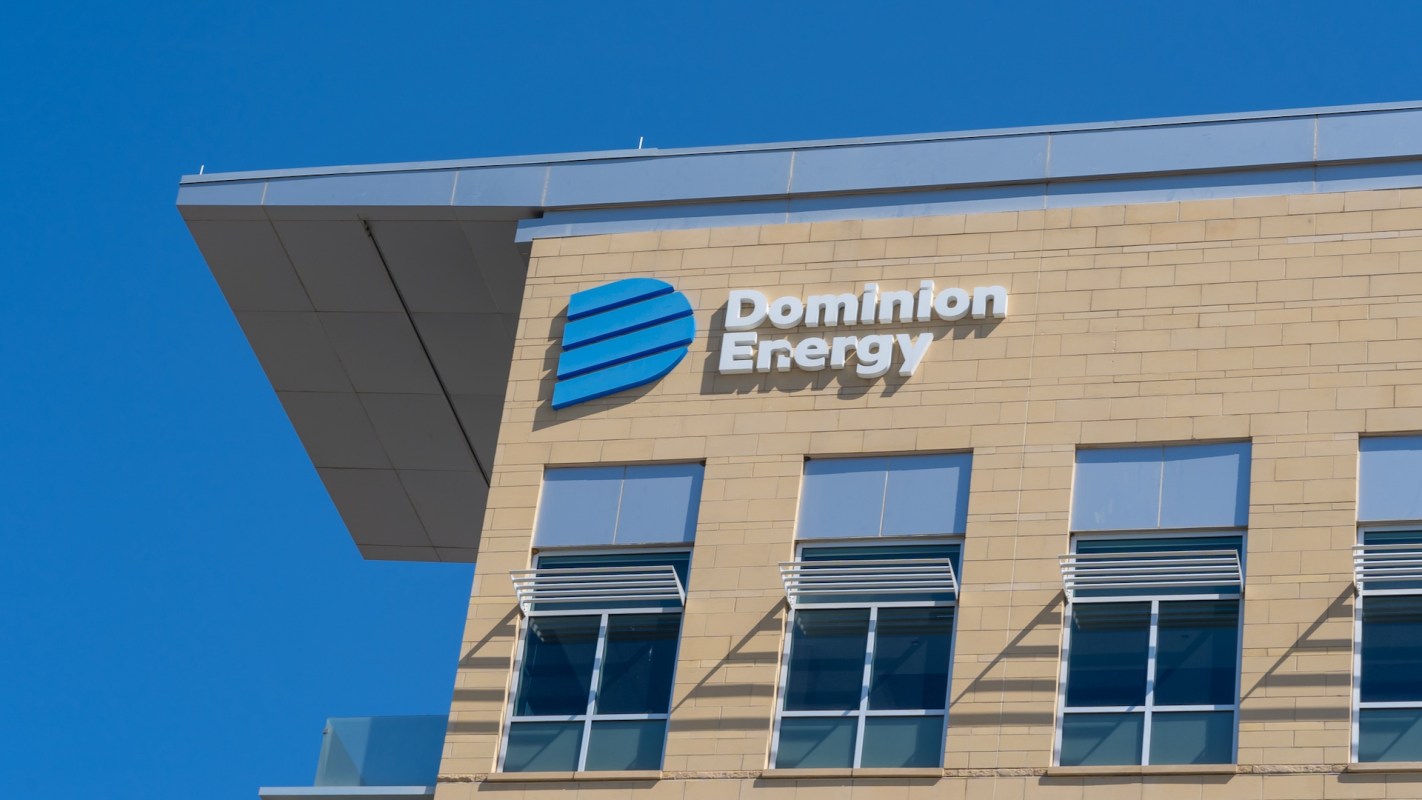
Electricity in Virginia is getting more expensive as the state adds more data centers to a power system already under pressure from fast-rising demand.
That could translate into larger monthly bills for many households if utilities have to rely more heavily on wholesale electricity markets, where prices can change quickly, Citybiz reported.
Here's what to know
In 2021, Dominion Energy's Virginia Electric and Power unit had fuel expenses of $2.31 billion, or 2.59 cents per kilowatt-hour.
Through June 2027, that figure is projected to reach $4.35 billion, or 3.95 cents per kilowatt-hour, according to Reuters and Virginia regulatory filings cited by Citybiz.
That is an 88% increase.
Those costs cover coal, natural gas and nuclear fuel, along with electricity purchased from outside suppliers.
TCD Picks » Quince Spotlight
💡These best-sellers from Quince deliver affordable, sustainable luxury for all




Virginia already has the world's largest data center market, and power demand is climbing further as technology companies expand cloud computing and AI infrastructure.
About 23% of Virginia Electric's energy supply is now expected to come from the PJM Interconnection market, up from 14% in 2021.
Staff at the Virginia State Corporation Commission said rising demand from data centers is driving that greater exposure to the wholesale market.
More background
Greater dependence on PJM can become especially expensive during heat waves and deep cold, when electricity is harder to line up and demand surges.
Utilities that pay more under those conditions can later pass some of the added cost on to customers.
Reuters and regulatory filings indicate that the average monthly residential bill could rise from about $173 to $195, an increase of up to 13%. If Dominion is allowed to issue bonds and recover part of those fuel costs in future years, the increase could be capped at roughly 5%.
The situation also reflects a broader tension around AI and the electric grid.
AI can help improve forecasting, streamline power use, and optimize renewable energy systems, but the infrastructure behind it — especially data centers — can require enormous amounts of electricity and water.
That has raised concerns not only about pollution and strained grids, but also about security risks, misuse, and unintended consequences such as higher utility bills for residents.
Virginia's experience shows what can happen when digital infrastructure expands faster than the electric system's capacity to support it.
What's being done?
One proposed pressure valve is financial rather than technical: Dominion is seeking permission to issue bonds that would defer recovery of some fuel costs into future years, which could soften the immediate hit to customer bills.
The company has also claimed its planned merger with NextEra Energy would help move new power plants and renewable energy resources forward more quickly.
If more generation comes online, Dominion could rely less on PJM market purchases as demand continues to rise.
The data center industry has argued that operators are covering the costs tied to their electricity use and should not be held responsible for residential rate increases.
That debate is likely to remain central as Virginia weighs how to keep attracting tech investment without pushing more costs onto households.

Get TCD's free newsletters for easy tips, smart advice, and a chance to earn $5,000 toward home upgrades. To see more stories like this one, change your Google preferences here.






