


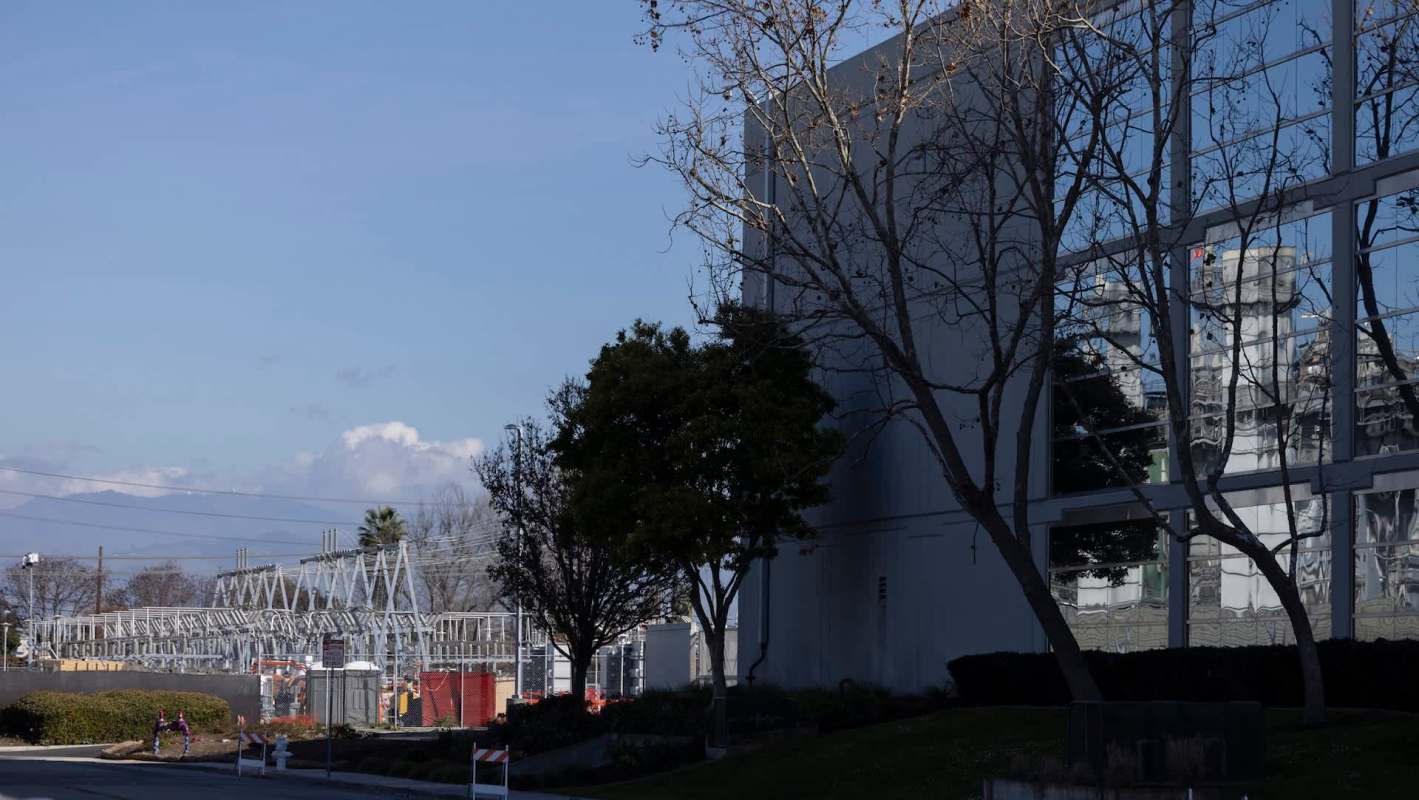
State officials in New Jersey are warning that the spread of AI-driven data centers may soon send electric bills even higher. The prospect comes as many households are already dealing with steep costs and concerns about reliability.
What's happening?
A new surge in electricity use from data centers built to support artificial intelligence could push New Jersey power bills up another 20%, according to Patch, citing a New Jersey Policy Perspective report. For residents across the state, that would add to utility increases that have been building for years.
Brian Lipman, director of New Jersey's Division of Rate Counsel, said the reason is relatively simple.
"Demand for electricity has increased significantly due to the influx of data centers and artificial intelligence," Lipman said. "Both use a lot of electricity, which has resulted in major increases in demand."
By 2030, data centers could account for nearly 10% of all electricity used in New Jersey, the report said. The state already has more than 48 such facilities, with about a dozen more planned or under construction.
The report said a single large data center can use about as much power as 100,000 homes. The cooling equipment needed to keep those facilities operating also demands enormous amounts of water.
TCD Picks » Quince Spotlight
💡These best-sellers from Quince deliver affordable, sustainable luxury for all




Why does it matter?
If utility costs rise again, some families may be forced to make harder tradeoffs in their daily budgets.
"We have seen a marked increase in customer complaints about their bills," Lipman said, warning that some residents may be left choosing between "utilities, food, medicine and other necessities."
Because they consume excessive amounts of electricity and water, large data centers can create ripple effects that reach ordinary customers, including higher monthly bills.
The report said the long-term job gains from data centers are often limited compared with the energy demand and public incentives they require. It also warned that major tech projects may need expensive grid upgrades that could ultimately be paid for by ratepayers.
What's being done?
Officials said they are trying to keep households from absorbing too much of the cost created by large power users.
"We are working with the regional grid operator to make sure that data centers and other large users pay their fair share for electric generation. This should drive down costs," Lipman said.
His office examines utility filings, fights proposed rate increases, and tries to reduce the costs companies are allowed to pass on to customers. If those efforts fail, disputes can move to administrative court.
Policymakers and advocates are seeking broader changes, including tougher reporting requirements for data centers, different rate structures for major power users, and limits on public subsidies.

Get TCD's free newsletters for easy tips, smart advice, and a chance to earn $5,000 toward home upgrades. To see more stories like this one, change your Google preferences here.






