


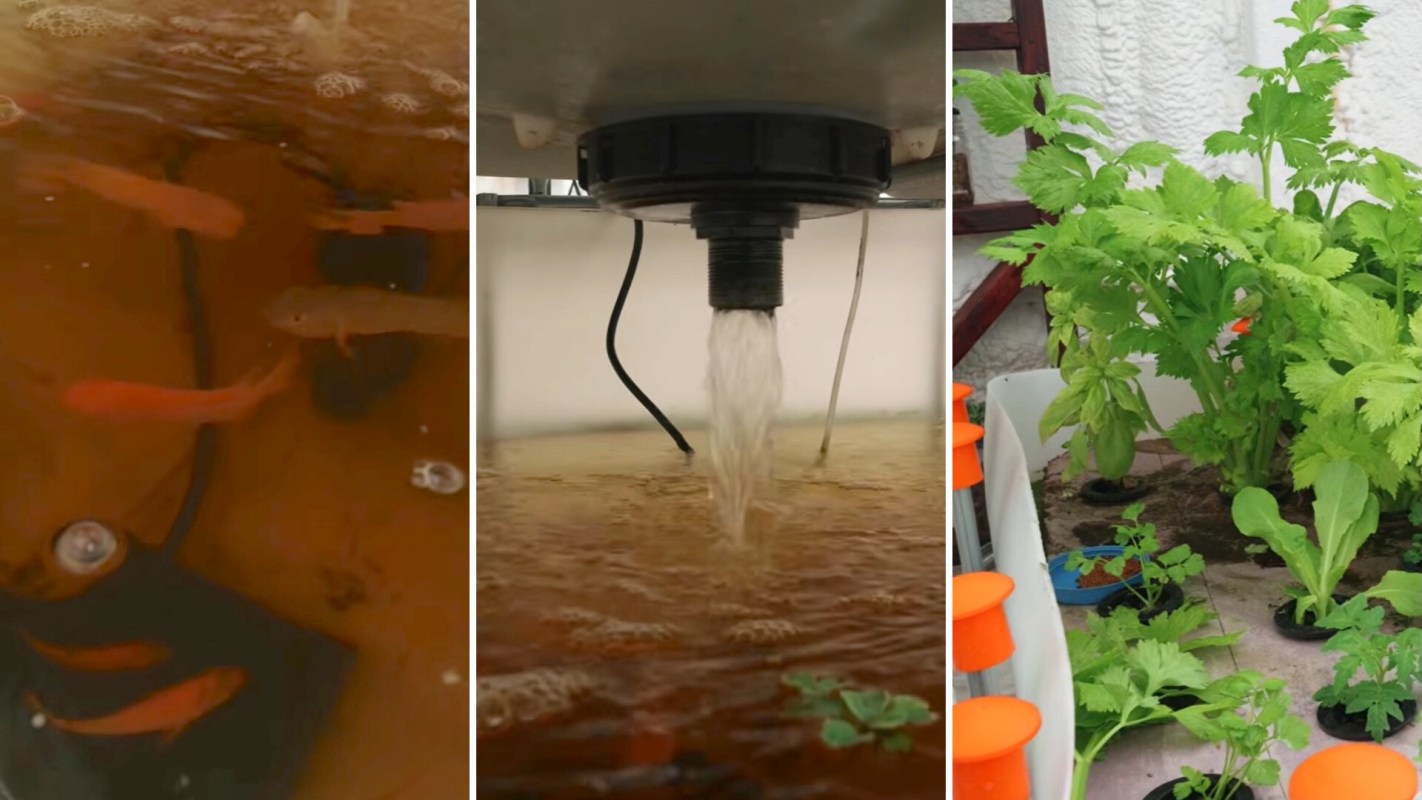
Arizona's heat and limited water can make growing food at home feel impractical.
A YouTube tour, however, pointed to aquaponics as an option that needs only about one-tenth as much water as conventional gardening.
Here's what to know
Growing In The Garden (@GrowingInTheGarden) visited Arizona Worm Farm to examine aquaponics in a desert setting.
There were multiple versions of the setup, from an indoor aquarium-style unit to a larger homemade IBC tote build, each relying on fish, beneficial bacteria, and recirculated water to produce vegetables efficiently.
Rather than watering soil and losing moisture to dry ground, runoff, or evaporation, aquaponics continually reuses the same water. In that cycle, bacteria turn fish waste into nutrients plants can use, and the cleaned water is then sent back through the system.
Along the way, the tour outlines how aquaponics differs from hydroponics and walks through common designs, including media beds and deep-water culture. It also covers the possibility of raising tilapia with the crops, meaning a single system may yield vegetables as well as protein.
TCD Picks » Quince Spotlight
💡These best-sellers from Quince deliver affordable, sustainable luxury for all




Why does it matter?
In a state like Arizona, where garden beds can dry fast under intense sun, a system built to reuse water stands out. That may help explain why aquaponics draws added interest in places where conserving water is part of daily life.
The video also emphasized that the setup is not hands-off. Backyard growers still have to handle DIY startup costs, keep up with maintenance, test the water, care for the fish, and protect both fish and plants from brutal summer conditions while pumps keep operating and water chemistry stays balanced.
For beginners, an indoor unit may feel more manageable, while larger outdoor systems offer a path for households with room to expand. The tradeoff is that, instead of constantly replacing water lost from soil beds, growers devote more attention to maintaining an efficient, controlled setup.
What can be done?
An aquarium-based system may work for herbs or leafy greens, whereas a larger IBC tote arrangement fits gardeners aiming for higher output and willing to take on extra upkeep.
Aquaponics still requires effort, but for households that want more say over both water use and food production, it may be a practical approach.
Recirculating systems, shade strategies, and efficient food choices can all help stretch household resources.
For people gardening in Arizona, the main draw of aquaponics is simple: a method designed around desert constraints. If the system can keep fish and vegetables going through extreme summer heat while using much less water, it may serve as a useful model for producing more with fewer resources.
YouTube users were excited about the setup.
One user said, "I love the Arizona Worm Farm. Always learning something new from them."
Another commented, "I have the fish. Lots of tanks with fish, but have never ever been able to put this system together. Hope to do this."

Get TCD's free newsletters for easy tips, smart advice, and a chance to earn $5,000 toward home upgrades. To see more stories like this one, change your Google preferences here.






