


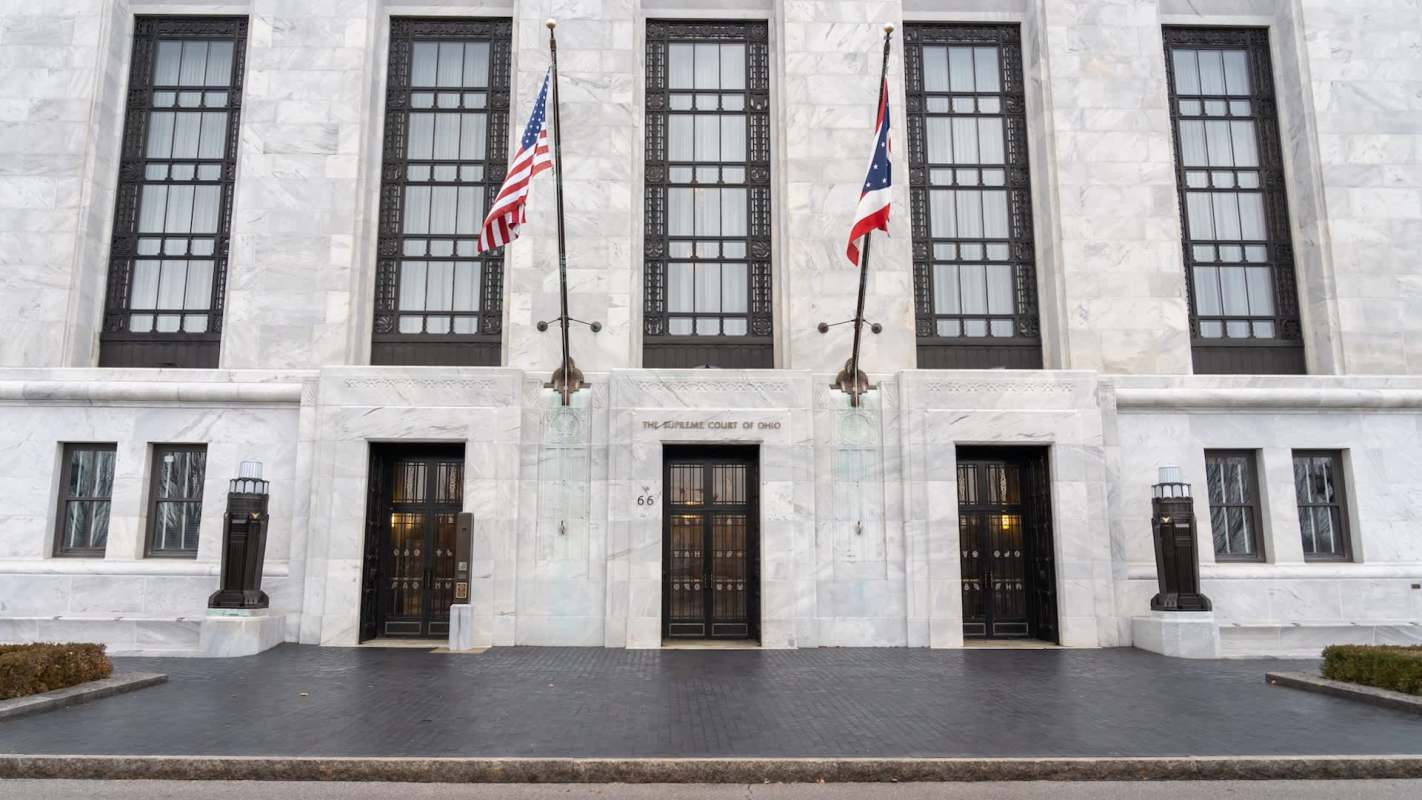
A fight over a proposed Ohio data center campus — and the natural gas plant expected to power it — is moving closer to voters after the state's highest court ruled that local officials could not block a referendum effort.
Ashville residents have another opening to contest the village's deal with EdgeConneX, the developer that WOSU reported wants to build two data centers and a natural gas power plant on about 195 acres.
What happened?
The Ohio Supreme Court said Ashville Fiscal Officer April Grube could not decline to certify a referendum petition aimed at undoing the village's preliminary agreement with EdgeConneX.
That preliminary agreement spells out EdgeConneX's financial obligations to Ashville and allows the development to bypass the village's data center moratorium. The council made the resolution effective immediately by passing it on an emergency basis, a step that can often restrict referendum efforts.
However, the court said the council did not spell out specific reasons for the emergency label. That meant residents retained their constitutional ability to seek a referendum, according to the opinion.
Former Ohio Attorney General Marc Dann, described by WOSU as representing the opposition group Data Center Resistance, backed the residents' challenge.
TCD Picks » Quince Spotlight
💡These best-sellers from Quince deliver affordable, sustainable luxury for all




"I think it's really terrific that the Ohio Supreme Court unanimously stood up and enforced the constitutional right that citizens have to a referendum, particularly when there's no emergency associated with the legislation," Dann said.
Why does it matter?
Dann said, as reported by WOSU, that he believes this could amount to the first citizen vote on data centers, a rapidly expanding form of development that is increasingly reshaping land use and electricity demand in communities across the country.
In Ashville, residents are weighing not only the two data centers themselves but also the natural gas power plant tied to the project. Gas plants generate climate-warming pollution, and developments on this scale can raise concerns about air quality, infrastructure strain, and how much influence local residents truly have over major industrial projects.
The ruling also means local governments cannot simply label an agreement an emergency and shut voters out without explaining why that designation is justified.
Still, the decision does not determine the future of the project. It only allows the challenge to move forward.
What's being done?
The next major step rests with the Pickaway County Board of Elections. Although the petition deadline passed on Aug. 5, the Ohio Supreme Court ordered the board to treat the filing as timely because of the delay caused by the dispute.
The board could still keep the repeal effort off the ballot if it determines, as WOSU reported was possible, that the village resolution was administrative rather than legislative. Under Ohio law, voters generally cannot use a referendum to overturn administrative actions.
Ashville Mayor Roger Clark indicated that the village would follow the ruling, even if the practical outcome remains unclear.
"I guess it's up to them what they want to do and what they can do," Clark said of the elections board.
He also told WOSU, "I'm not an attorney and I don't understand other than the judgment was ruled in favor of the plaintiffs here."

Get TCD's free newsletters for easy tips, smart advice, and a chance to earn $5,000 toward home upgrades. To see more stories like this one, change your Google preferences here.






