


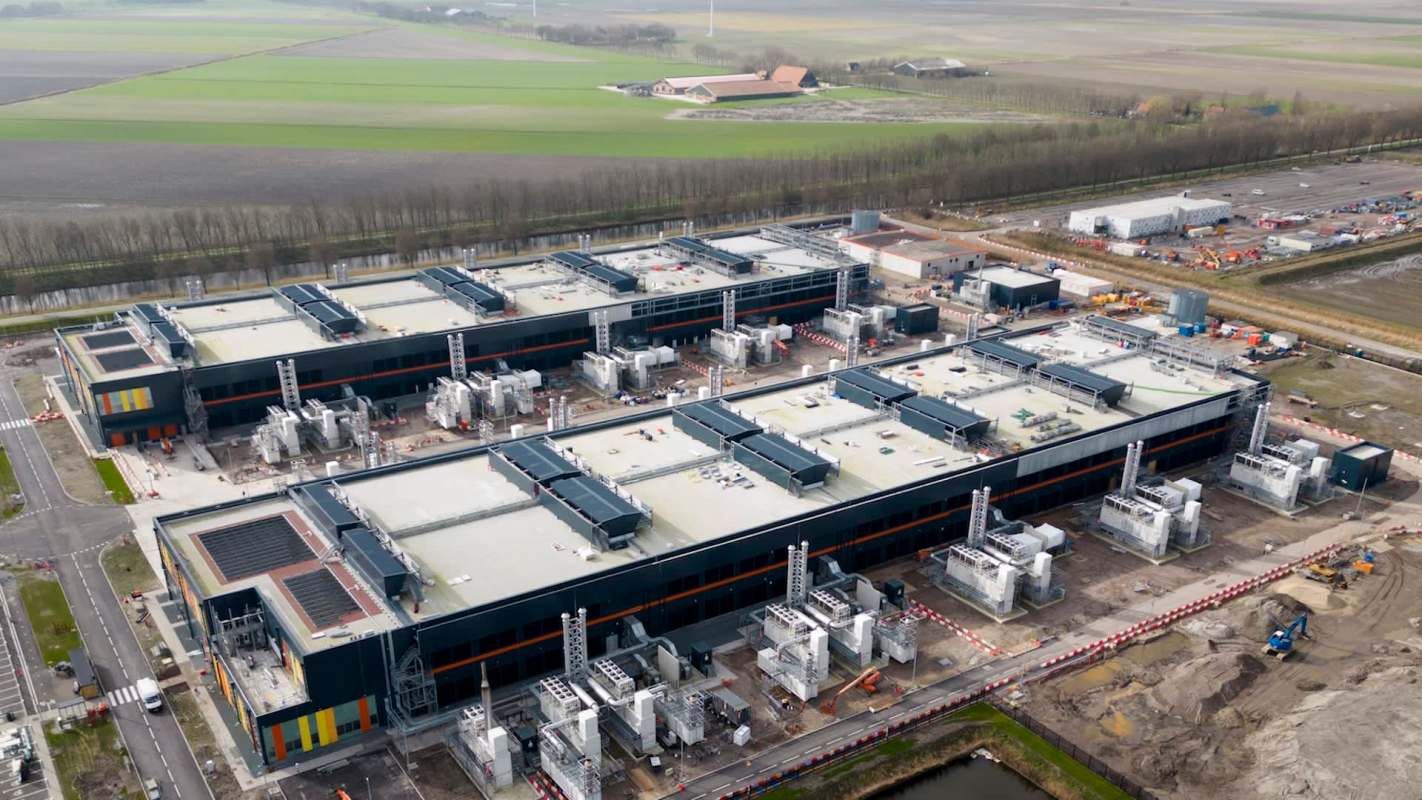
Anxieties about electricity demand — and the prospect of even higher household power bills — are pushing Dayton toward a possible ban on data center construction, a move that could give the city one of the toughest stances on the industry in Ohio.
The debate reflects a widening backlash in a state that has become a major home for the sprawling server campuses.
What's happening?
WDTN reported that officials introduced a measure to prohibit data center construction.
If it passes, the city would distinguish itself from other major Ohio cities by opting for a ban rather than a moratorium.
Springfield, Urbana, and Xenia have all moved against data center development in the last two weeks.
At the center of those fights is the enormous power use of data centers, the facilities behind services such as cloud storage and artificial intelligence tools.
TCD Picks » Quince Spotlight
💡These best-sellers from Quince deliver affordable, sustainable luxury for all




Officials say feedback has been largely one-sided. Jeff Green, secretary of the Board of Zoning Appeals, told WDTN that the city has not heard residents asking for data centers to come to Dayton.
"We have not heard anyone saying, 'No, we want data centers in the city,'" Green said.
Gallup found that only 7% of Americans support building data centers.
Ohio, despite ranking 35th in land mass, has over 200 data centers — the fifth-highest total in the country.
Why does it matter?
For many residents, the concern comes down to cost. Data centers consume enormous amounts of electricity around the clock, and opponents worry that adding even more demand to the grid could push utility costs higher for households already under pressure.
Those worries are especially sharp in Ohio after electricity costs rose 11% last year.
"We're seeing skyrocketing utility rates," resident Nathan Hodge said, per WDTN.
Another resident, Lincoln Hoffman, added, "It's putting huge strain on transmission grids."
Supporters of restrictions say limiting new data centers could shield communities from costly grid upgrades and ease pressure during peak demand periods, especially in summer.
There are environmental and health concerns as well. When electricity demand spikes, utilities may rely more heavily on fossil fuel generation, which can worsen local air pollution.
What's being done?
The measure fits into a statewide pushback against data center growth. Some cities are pausing projects through moratoriums while they examine issues including power demand, land use, and strain on infrastructure, but Dayton is a ban.
Organizers are collecting signatures for a November ballot measure that would bar construction of data centers above a certain power level.
Lawmakers have also considered changes to tax breaks for data centers, though nothing passed before the legislative session ended.
Green noted some residents thanked officials for their effort, saying, "We appreciate you guys looking out for us in this way."

Get TCD's free newsletters for easy tips, smart advice, and a chance to earn $5,000 toward home upgrades. To see more stories like this one, change your Google preferences here.






