


Chicago is moving to put guardrails around one of the fastest-growing parts of the artificial intelligence economy.
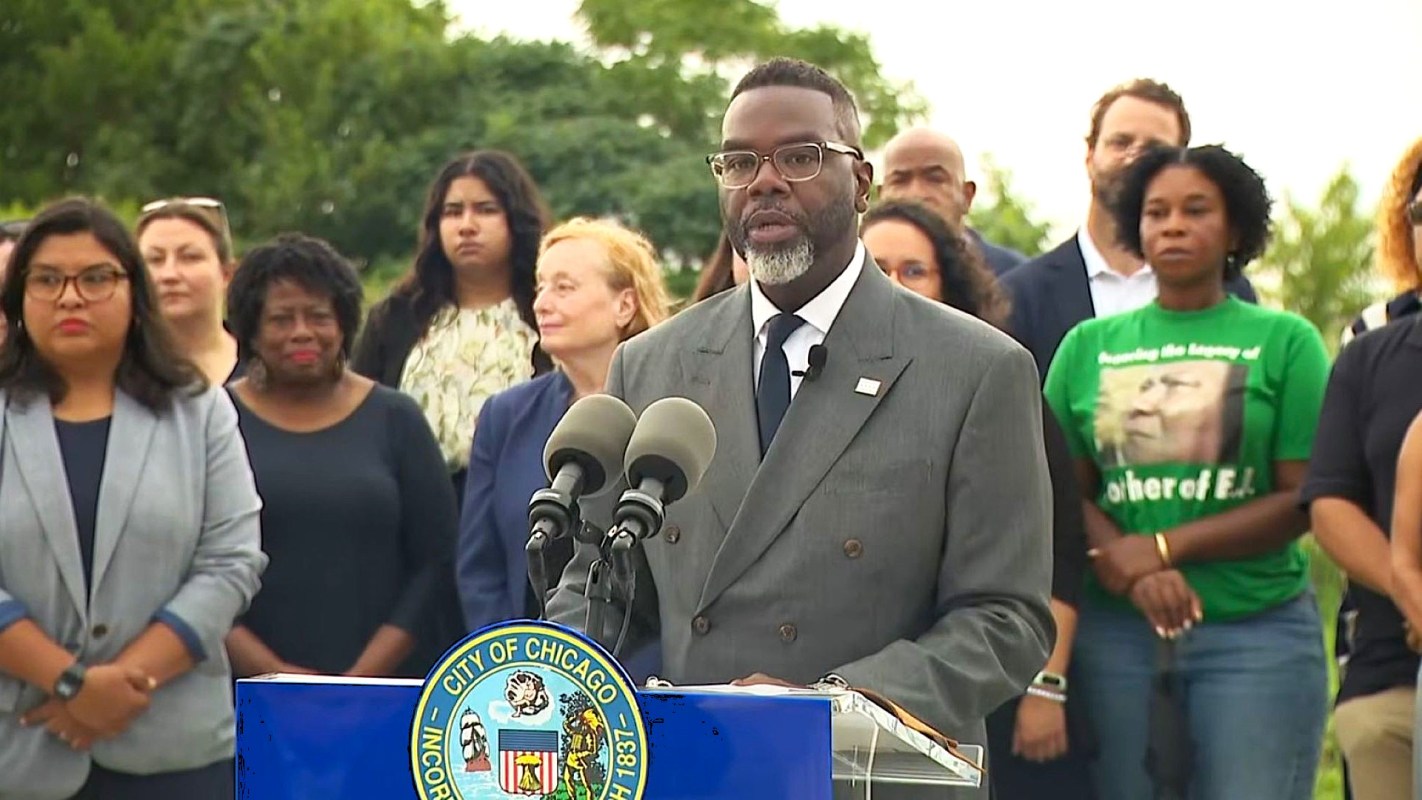
Through a new executive order, Mayor Brandon Johnson is seeking closer scrutiny of data centers and wants a temporary stop on new projects and expansions while Chicago writes tougher long-term rules, as CBS Chicago reported.
What's happening?
The city wants the Chicago City Council to temporarily freeze additional data center developments and expansions of existing sites, as it announced in a press release.
Johnson's order requires tougher review of air pollution permits, adds new noise standards, and establishes a dedicated Data Center Task Force to study energy demand, water use, and the broader combined burdens on communities.
"Before AI accelerates any faster, the city is taking steps now to protect Chicagoans from the impacts of data center development while we undertake the comprehensive work that's necessary to establish stronger permanent protections for our communities," Johnson said.
According to the release, Chicago has approximately 39 data centers, and many were developed under earlier regulations that did not fully anticipate facilities at today's scale.
TCD Picks » Quince Spotlight
💡These best-sellers from Quince deliver affordable, sustainable luxury for all




The order builds on recommendations issued in July by the city's Sustainable Data Centers Working Group, which was formed in 2024 and held monthly meetings, per CBS Chicago. If the City Council approves a temporary moratorium, officials would have more time to develop permanent protections.
Why does it matter?
AI tools are becoming more common across business, health care, logistics, and daily life, making data centers more essential infrastructure. But as those facilities grow, nearby communities can feel the effects through heavy electricity and water use, along with noise and, in some cases, pollution.
Extra strain on the power grid can raise reliability concerns and push electricity costs higher, while intensive cooling needs can also pressure water supplies. Data centers generally rely on city drinking water to cool computers and other equipment, and much of it evaporates in the process.
AI's relationship with the electric grid is also complicated. On one hand, the technology could help utilities build cleaner, more efficient energy systems by forecasting demand, integrating renewable energy, and reducing waste.
On the other hand, AI's rapid expansion is helping fuel the construction of more energy-intensive data centers, raising concerns about water use, security risks, misuse, and unintended consequences such as higher household utility bills.
"Chicagoans have voiced concerns around data center impacts — from energy affordability and grid reliability to pollution and water consumption — that should be urgently addressed," Iyana Simba, City Government Affairs Director at the Illinois Environmental Council, said in the release.
What's being done?
Chicago's move reflects a wider push to revisit how data centers are regulated.
As CBS Chicago reported, Bloomington and Normal are among the Illinois communities that have already adopted their own pauses, and officials elsewhere are reconsidering these projects as demand keeps rising.
Within Chicago, the new Data Center Task Force is expected to begin operating and will be led jointly by the mayor's chief sustainability officer and chief of policy. Its role will be to coordinate across departments and help shape stronger standards for future projects.

Get TCD's free newsletters for easy tips, smart advice, and a chance to earn $5,000 toward home upgrades. To see more stories like this one, change your Google preferences here.






