


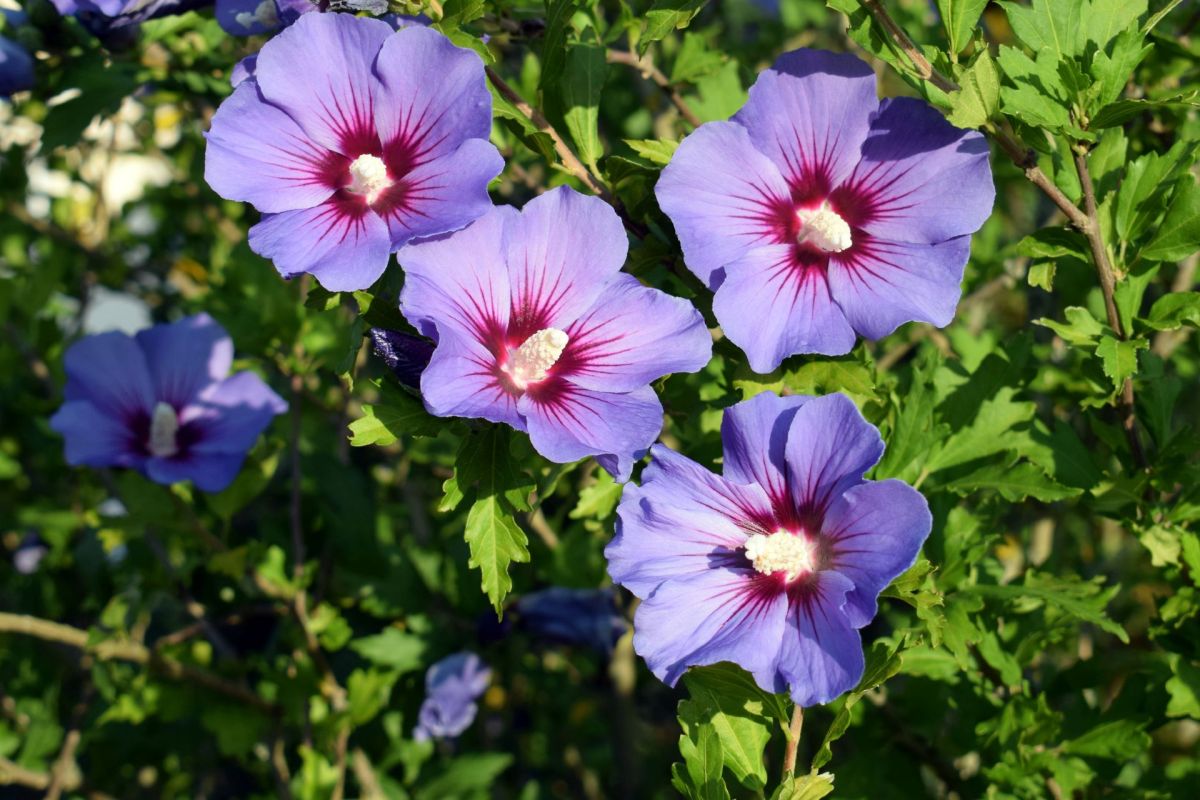
A simple question from a Michigan gardener on Reddit sparked a much broader conversation about one familiar landscape shrub: Rose of Sharon.
While the plant does not appear on every official invasive species list, many gardeners say it spreads like one anyway.
What's happening?
The exchange began on the r/invasivespecies forum, where a user who makes paint from invasive species asked whether Rose of Sharon should be treated that way in Michigan before using it in an art project.
"Would you consider Rose of Sharon invasive in Michigan?" the poster wrote. "I make paint out of invasive species, and think it would be a good experiment, but I don't want to harvest any if it's not invasive."
The replies leaned heavily in one direction: Even if the shrub is not formally listed everywhere, many commenters believe it behaves aggressively enough to merit caution.
Several commenters warned against relying too heavily on official designations. One said, "State invasive lists are always far behind the reality. So if it's not on the list in Michigan, it's a question of when, not if."
TCD Picks » Quince Spotlight
💡These best-sellers from Quince deliver affordable, sustainable luxury for all




Another said practical experience had already pushed them to remove several plants because they were "tired of weeding the hundreds of offspring in the spring."
Users repeatedly pointed to seed production as the shrub's main way of spreading, and a few added that older plants can also send up shoots from their roots.
Some commenters said they had seen it spreading in neighboring states or in natural areas, while others said they would remove it from their own yards even if they understood why some people still keep it as a landscape plant.
Why does it matter?
The debate is not just about labeling. It is also about how much work a plant creates over time and what it may displace in the garden.
A shrub that drops large numbers of seedlings can mean years of extra weeding, more yard waste, and less room for native plants that support local ecosystems.
Gardening can be one of the most practical and beneficial habits for households. It can improve mental and physical health, and if people use their outdoor space for herbs, fruits, or vegetables, they can save money on produce while enjoying fresher, better-tasting food.
Choosing the right plants is part of creating a lower-stress, more useful yard.
When gardeners avoid aggressive spreaders, they may free up time, money, and space for native landscaping or edible gardens instead.
What can I do?
For people who already have Rose of Sharon, commenters said the key question is whether staying on top of new seedlings feels worth the ongoing maintenance.
Several people said prompt removal of volunteer seedlings can help keep the shrub from taking over.
Others recommended replacing it altogether. One commenter offered a native alternative: "Rose Mallow is a native alternative if you like the rose of sharon look minus the invasive ick."

Get TCD's free newsletters for easy tips, smart advice, and a chance to earn $5,000 toward home upgrades. To see more stories like this one, change your Google preferences here.






