


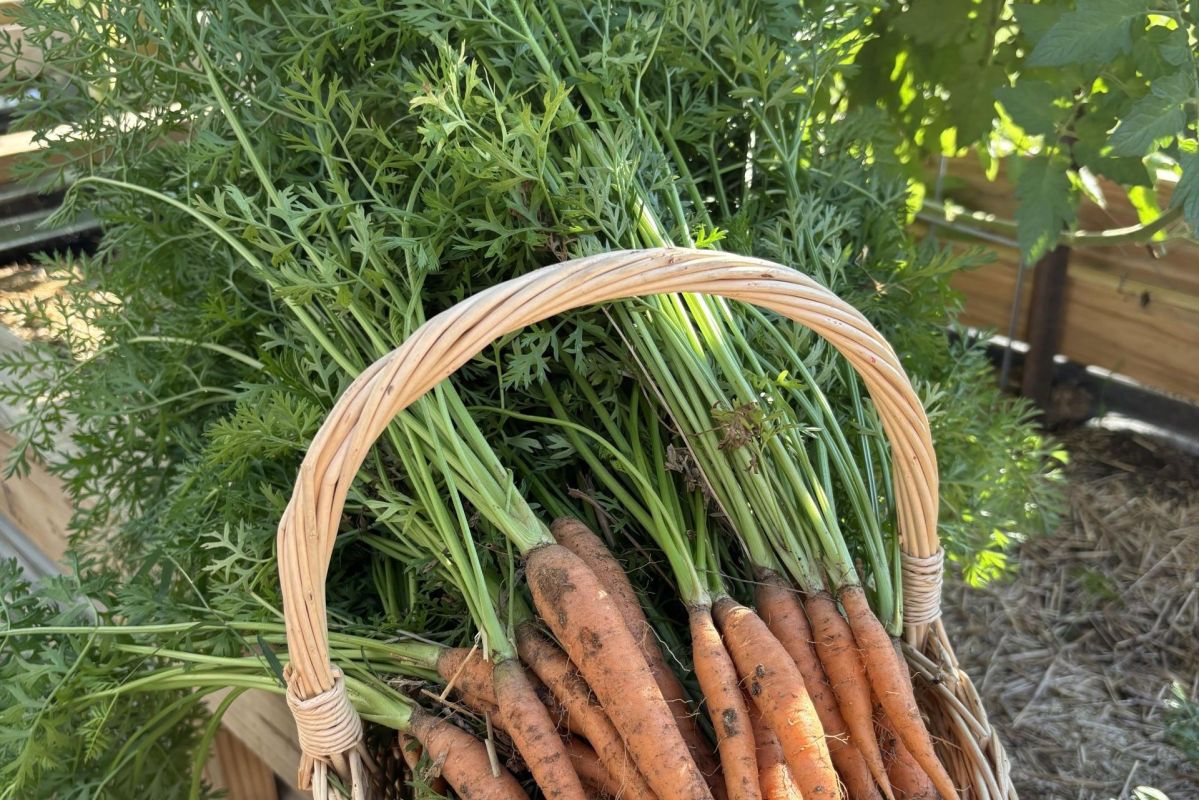
A beginner's carrot harvest is winning praise from fellow gardeners after their first planting turned out far better than many expected.
What happened?
A gardener growing carrots for the first time shared a photo of their basket filled to the brim on Reddit and wrote: "Nantes! Planted May 11, harvested this morning. First time growing carrots. I'm so freaking proud of them I could weep."
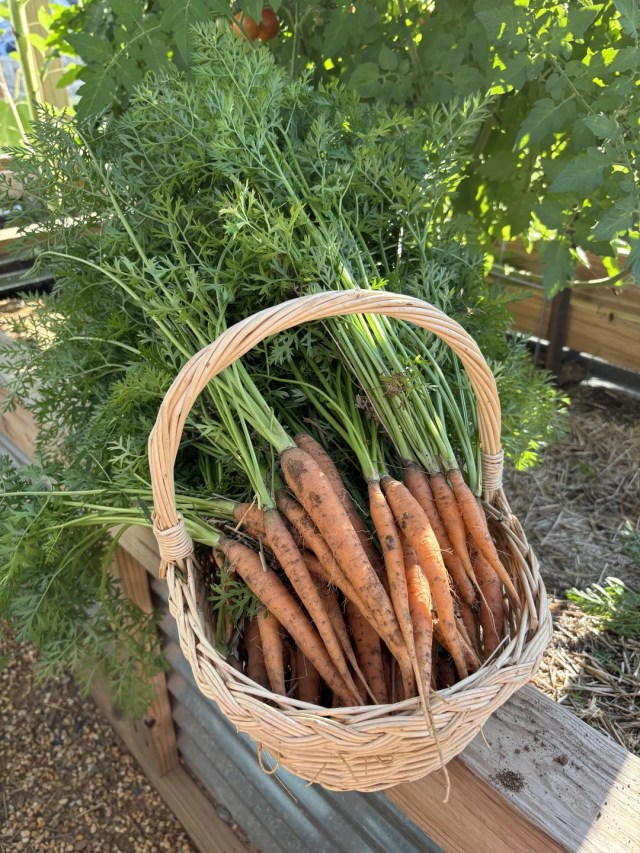
Commenters focused on how polished the crop looked: a basket filled with bright orange Nantes carrots that were surprisingly uniform for a beginner's harvest. Many commenters said their own carrot-growing efforts had not been as successful.
Requests for tips came alongside jokes about disappointing homegrown carrots. "Share your secrets, carrot wizard!" one Redditor wrote, while others compared their own results: "The only one I pulled so far looked like a toothpick. Yours look great!" and "Mine were same. All tops."
When people asked what worked, the grower offered a straightforward answer: "I'm so pleasantly surprised! Half topsoil, half compost, fertilized once with Espoma Garden-tone."
Why does it matter?
Carrots are one of those vegetables that can seem easy to grow at first but can be surprisingly tricky to maintain in a garden. Rocky soil, overcrowding, inconsistent moisture, and heat stress can all lead to stunted or misshapen roots.
TCD Picks » Quince Spotlight
💡These best-sellers from Quince deliver affordable, sustainable luxury for all




Growing food at home can help cut grocery costs, especially for produce people buy regularly. Homegrown vegetables can also be picked when they're fresh and ready to eat, rather than spending time sitting in a shipping container or storage unit on their way to the grocery store.
What can I do?
A raised bed or loose, amended garden soil can give root crops a better chance to grow straight and full.
Compost, careful watering, and avoiding compacted soil can also make a noticeable difference.
Choosing the right variety helps too. Nantes carrots are a popular option because they are known for their sweet flavor and relatively consistent shape. Gardeners can also improve their odds by thinning seedlings early so the roots have room to develop.
If you're thinking about trying vegetables at home, The Cool Down's guide to growing your own food is a useful place to start. Even a small garden can provide better-tasting produce, a bit of grocery relief, and a new skill that gets easier with practice.
That kind of exchange is part of what makes gardening communities helpful: people trade advice, compare outcomes, laugh about the weird-looking ones, and celebrate each other's wins.
One commenter put it even more simply: "You should be proud. Carrots are so hard to grow."

Get TCD's free newsletters for easy tips, smart advice, and a chance to earn $5,000 toward home upgrades. To see more stories like this one, change your Google preferences here.







