


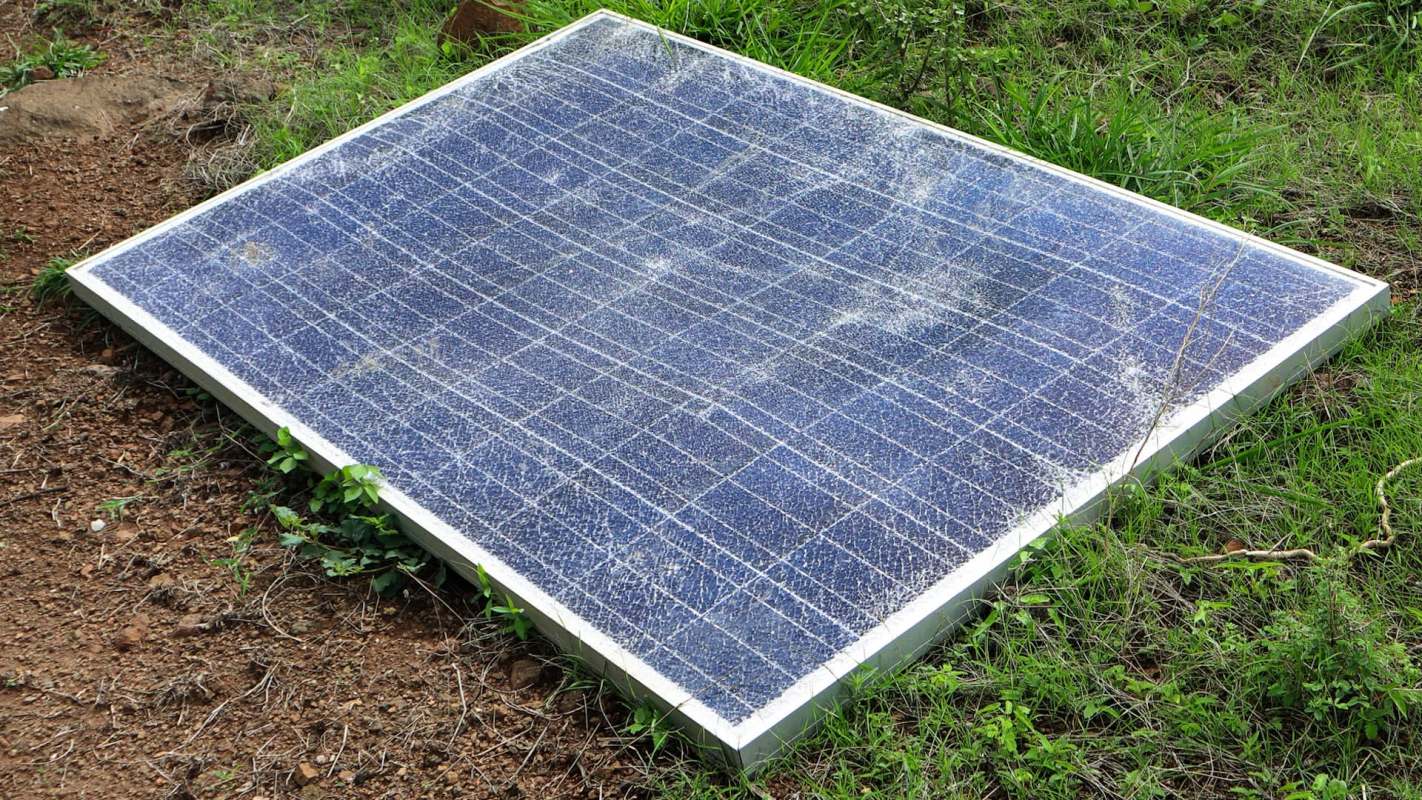
Things can get complicated when you have solar and need to replace your roof, especially when the solar system is on lease. One broken unit can quickly turn a cost-cutting upgrade into a fight over responsibility.
That is what one homeowner says happened after a roofing contractor allegedly left a Sunrun panel shattered in the backyard, and things only got worse when they figured out that the third-party solar remover the roofing company contracted may have voided any responsibility that Sunrun would have had.
What happened?
In a post on Reddit, the homeowner explained that the panels are leased through Sunrun. They said a different company removed the system before the home was reroofed, and once the job was done, one panel was reportedly found broken in the yard.
The homeowner wanted guidance on whether Sunrun should be contacted immediately and how to protect themselves before sending the roofer the remaining payment.
Situations like this can be especially thorny with leased solar equipment. Since the homeowner does not own the panels, damage may leave several possible parties in the mix for repairs, including the roofing company, the crew that took the panels down, the leasing company, an insurer, or some combination of them.
Why does it matter?
A cracked or shattered panel is more than a cosmetic problem. It can cut into energy output, slow the roof project, create repair or replacement expenses, and open the door to disputes between the companies involved.
Solar remains one of the best ways to reduce home energy costs. If you're looking into rooftop panels, EnergySage offers free tools to get quick installation estimates and compare quotes.
In cases like this, paperwork often becomes the central issue. If the panels were handled by a roof crew that was not authorized by the leasing company, the homeowner may need to sort through roof contracts, installation agreements, and insurance policies to determine who is financially responsible.
Save $10,000 on solar panels without even sharing your phone number Want to go solar but not sure who to trust? EnergySage has your back with free and transparent quotes from fully vetted providers that can help you save as much as $10k on installation. To get started, just answer a few questions about your home — no phone number required. Within a day or two, EnergySage will email you the best local options for your needs, and their expert advisers can help you compare quotes and pick a winner. |

What can I do?
A sensible first move is to document everything: photograph the damage, keep the roof contract and invoices, note who removed the panels, and preserve written records of calls and emails.
It is also smart to check the lease agreement and notify the solar provider promptly, so there is a record showing the damage happened before the final payment is sent.
Homeowners can also ask the roofer for proof of insurance, request a written account of what happened, and avoid signing off on the completed job until the panel issue is resolved. When leased equipment is involved, getting answers early can help avoid a much costlier dispute later.
EnergySage's free services can also help homeowners make smarter solar decisions before problems happen. Tools like EnergySage's solar map show the average cost of a home solar panel system on a state-by-state level, along with solar panel incentives for each state. Together, those resources can help readers get the best price for rooftop solar panels and access available incentives.
More From EnergySage
💡Go deep on the latest news and trends shaping the residential solar landscape


Adding battery storage to a solar setup is also one of the best ways to protect your home during outages, save money on energy, and go off-grid. Readers who want to learn more can explore EnergySage for free information about home battery storage options, including competitive installation estimates.
A roof job that uses third-party contractors can seem like a cost-saving hack, but if it goes off track, it can quickly turn expected energy savings into a paperwork headache.

Get TCD's free newsletters for easy tips, smart advice, and a chance to earn $5,000 toward home upgrades. To see more stories like this one, change your Google preferences here.






