


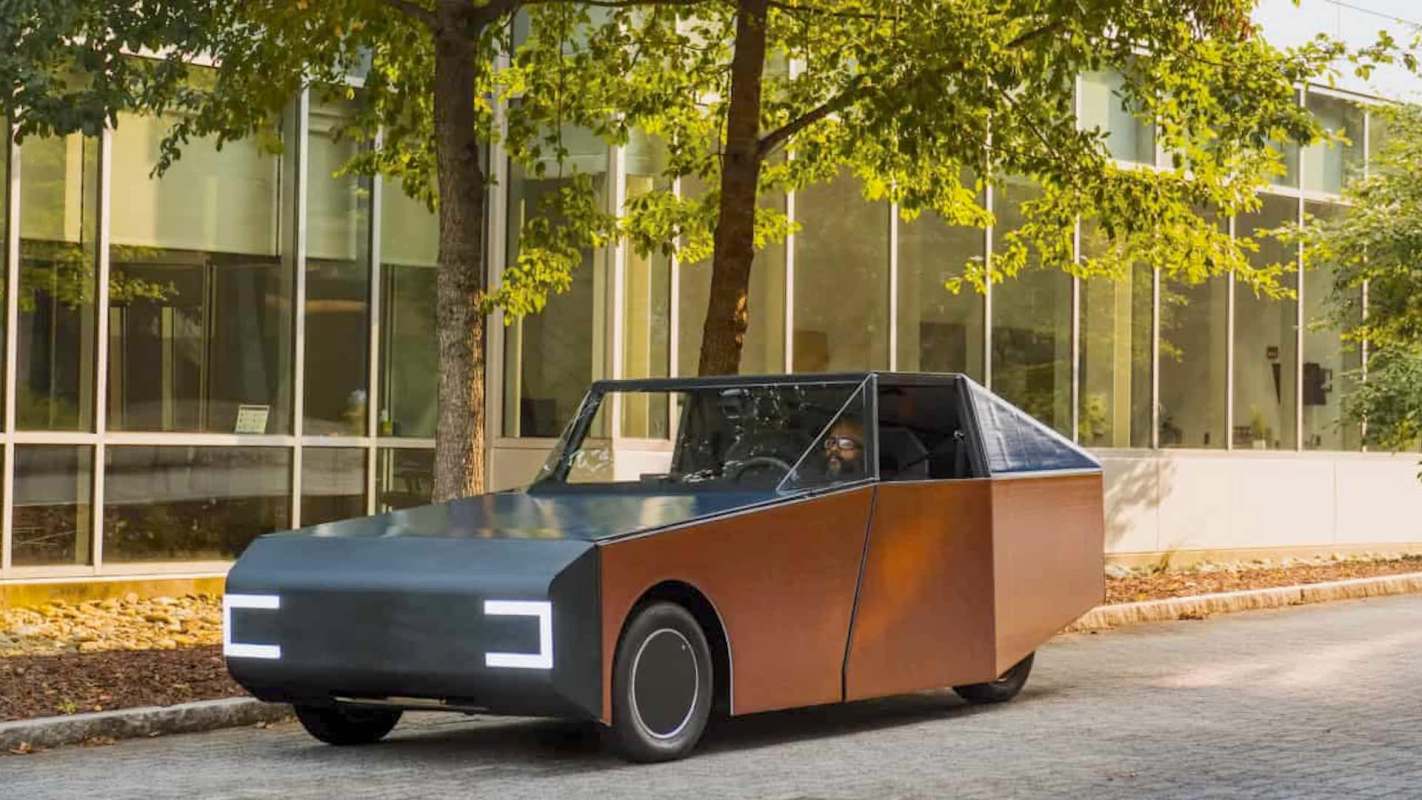
A student team working with BMW is exploring an unusual electric vehicle target. The group took aim at creating a car that can finish a typical day having harvested more energy than it used while driving.
That idea drives Deep Orange 17, a solar-assisted EV developed through Clemson University's long-running partnership with BMW, according to BMW Blog.
What happened?
BMW asked Clemson students in 2024 to design an electric vehicle that could produce more energy over an average day of driving than it consumed, the outlet reported. Their answer was Deep Orange 17, also called Luminetta, a lightweight electric coupe that weighs 1,212 pounds.
According to BMW Blog, reaching that weight required a mixed-material build that combines steel, aluminum, carbon-fiber components, and 3D-printed metal joints. Clemson said the name Luminetta refers to the car's solar energy system and, "BMW's design heritage," per the outlet.
The students refined the power electronics, torque distribution, regenerative braking, and drivetrain controls to reduce energy losses as much as possible. All told, the body panels contain more than 1,700 photovoltaic cells, BMW Blog noted.
Clemson modeled sunlight and weather conditions for Frankfurt, Madrid, Mumbai, and the area near Greenville, South Carolina. Using a 12-mile daily commute as the reference point, the students said that the car could create enough extra solar energy for an average of 31 additional miles of range across those locations, according to the outlet.
TCD Picks » Quince Spotlight
💡These best-sellers from Quince deliver affordable, sustainable luxury for all




Why does it matter?
Solar cars have spent years mostly as concepts, but this project points to the gains possible when solar collection and lightweight efficiency are engineered together. In this modeled outcome, the vehicle could cover the commute's energy demand and still end the day with a surplus.
If a vehicle can replace part of the energy it uses on its own, drivers may need external charging less often, especially for short everyday trips.
Built-in solar panels aside, EVs already offer important advantages for consumers. Electricity is often cheaper than gasoline, which can lower fueling costs, and electric vehicles typically need less routine maintenance because they do not require oil changes and have fewer moving parts than gas-powered cars.
BMW Blog noted Deep Orange 17 is not likely to arrive in dealerships, but the concepts behind it could influence future vehicles that are more efficient, use fewer resources, and cost less to run.
What's being done?
Deep Orange 17 is not intended as a preview of a production BMW. Recreating its extremely low weight, compact dimensions, and specialized construction while also meeting current crash, comfort, and cost requirements would be difficult, per BMW Blog.
Still, some of what the project explored could translate to production EVs. The outlet suggested that stronger solar integration, lightweight structural designs, and more advanced energy-management software could help future electric cars travel farther while relying less on charging.
Even when a concept never reaches production, it can still act as a proving ground for ideas that later show up in vehicles that are safer, more practical, and more affordable.

Get TCD's free newsletters for easy tips, smart advice, and a chance to earn $5,000 toward home upgrades. To see more stories like this one, change your Google preferences here.






