


Triple-digit heat bore down on inland California over the weekend — and for many households, the biggest concern wasn't just staying comfortable but what their next electricity bill will look like.
With PG&E's peak pricing kicking in during the late afternoon and evening, some residents shifted cooling, charging, and other electricity use into off-peak hours to keep costs down, the San Francisco Chronicle reported.
What's happening?
Forecasters expected the Central Valley to get close to 110 degrees and parts of the Bay Area to climb into the low 100s.
In a state that already has some of the highest electricity prices in the country, that kind of heat can make air conditioning a major financial burden for families trying to stay safe.
The Chronicle cited data from the California Public Utilities Commission's Public Advocates Office that showed roughly 1.3 million PG&E customers, or 24%, were behind on their bills, with an average past-due balance of $572.
The report said PG&E costs have climbed 69% over the last 10 years.
TCD Picks » Quince Spotlight
💡These best-sellers from Quince deliver affordable, sustainable luxury for all




Mark Toney, executive director of nonprofit consumer advocacy group The Utility Reform Network, described electricity bills as having "high volatility," according to the newspaper.
PG&E has made three rate cuts since 2024, the Chronicle reported, and customers will also receive a $36.18 state-mandated electricity climate credit on both their August and September bills.
Why does it matter?
Higher temperatures are colliding with a broader warming trend.
The Chronicle said human-driven warming, along with a strengthening El Niño, could set the stage for one of the hottest years on record.
That could lead more households to rely on cooling, even in places that usually have mild summers. For many customers, when electricity is used matters almost as much as how much is used.
Most PG&E customers are on time-of-use pricing, the paper pointed out, with higher rates from 4 to 9 p.m.
Michael Stadler, who previously was an energy research scientist at Lawrence Berkeley National Laboratory and co-founded microgrid software service Xendee, said that period is expensive because many people get home as solar output falls.
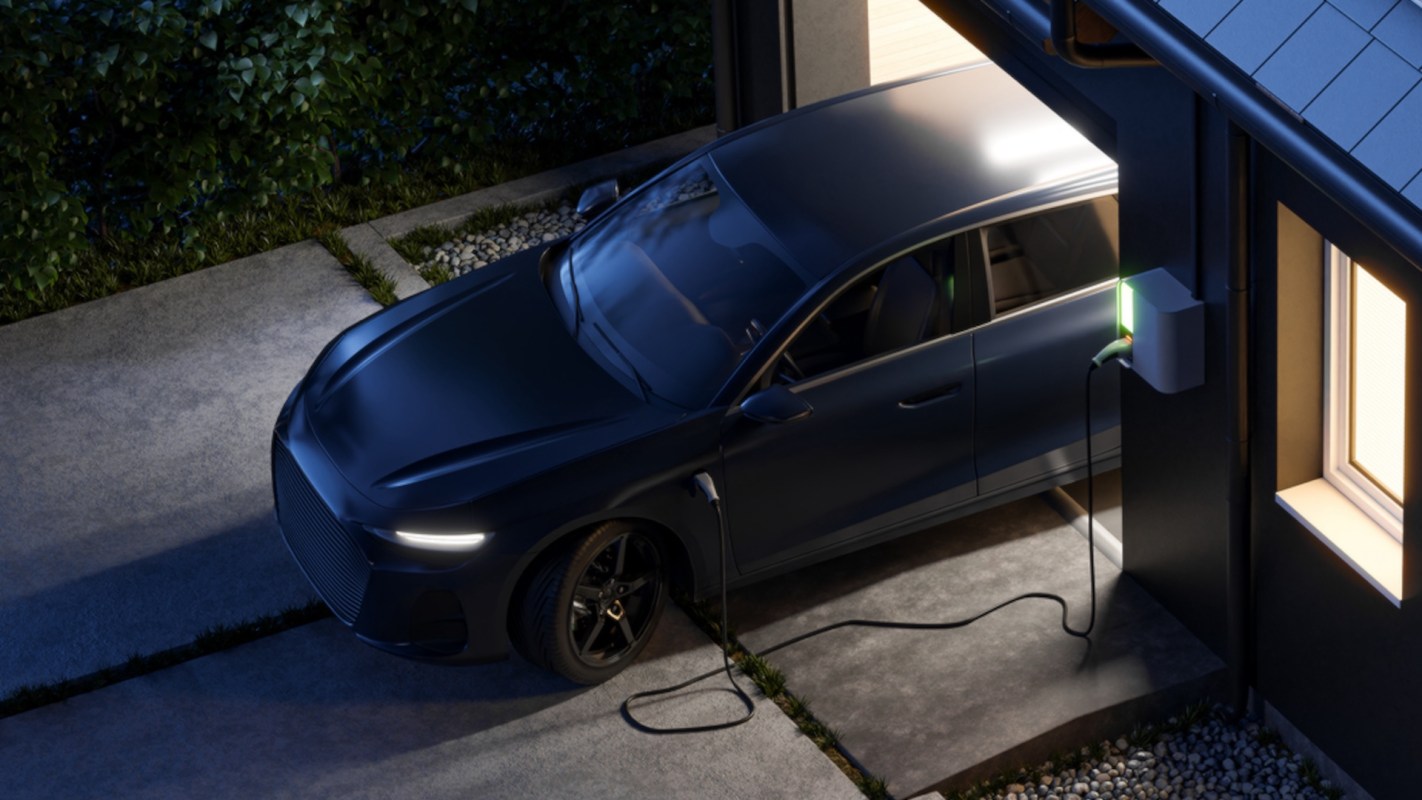
Running the dishwasher later, charging an electric vehicle overnight, or cooling a home before peak hours can all cut costs.
What can I do?
HomeIntel senior energy coach James Tuleya told the Chronicle that savings can add up quickly for customers who optimize their electricity use.
Tuleya helped a San Francisco household lower its PG&E bills by about $1,400 a year, and he estimated that raising the thermostat by 1 degree can save $40-150 over a summer.
He recommended annual HVAC service and said no more than two or three years should pass between checkups because a unit has to work much harder if it's low on refrigerant.
Tuleya also suggested keeping drapes closed during the hottest, sunniest parts of the day and using fans strategically — only when someone is in a room or in windows after the temperature outside drops below the temperature indoors.
The Chronicle noted that using "pre-cooling" in the early afternoon and easing back before 4 p.m. can cut air conditioner use during the most expensive hours.
PG&E advised moving big-appliance use outside peak times and charging EVs overnight.
Customers may also be able to reduce costs by making sure they are on the best rate plan and by applying for the California Alternate Rates for Energy or Family Electric Rate Assistance programs or a medical need adjustment, which is not based on income, per the Chronicle.

Get TCD's free newsletters for easy tips, smart advice, and a chance to earn $5,000 toward home upgrades. To see more stories like this one, change your Google preferences here.






