


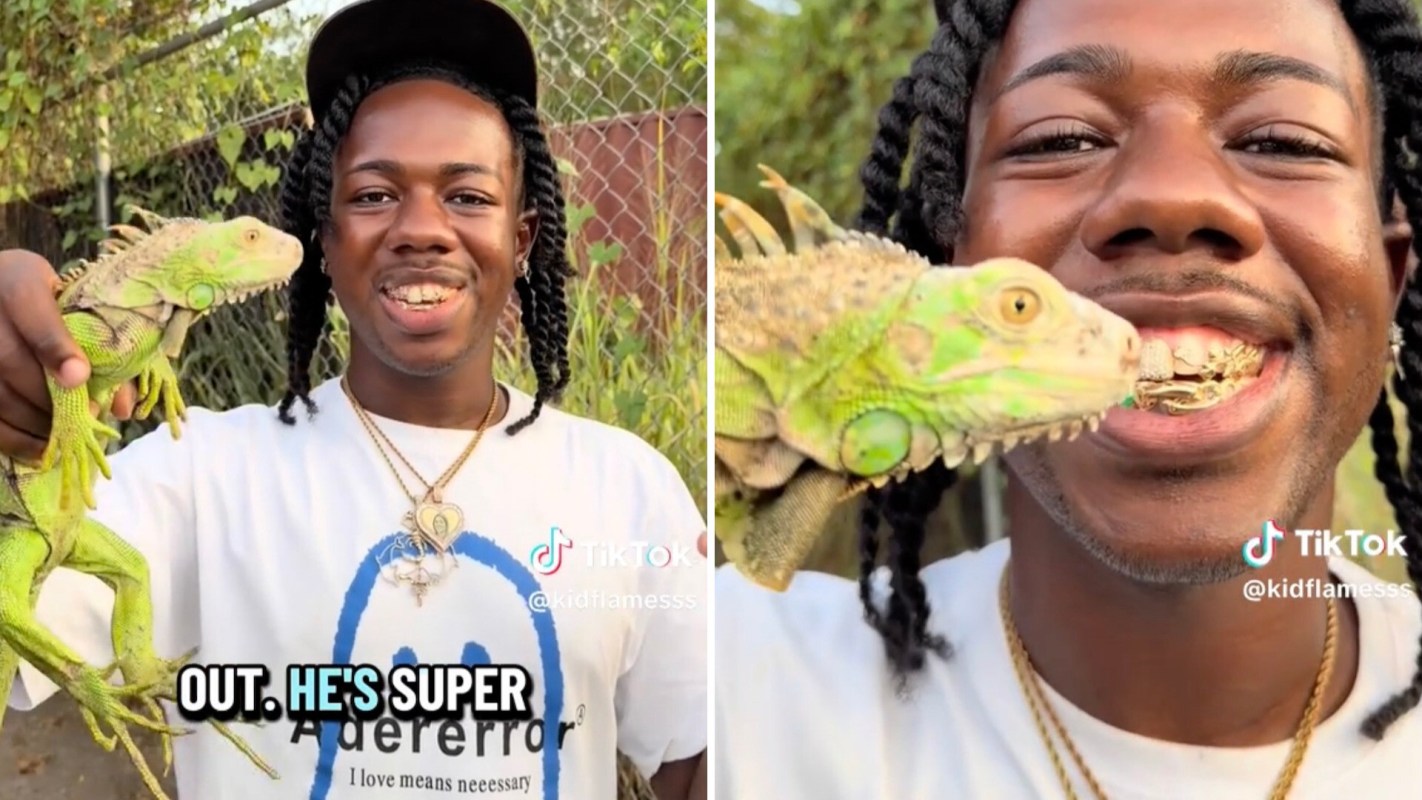
A TikTok from a Jamaican research biologist uses one unexpected reptile encounter to highlight a larger concern at home: invasive green iguanas in Jamaica could make conditions even tougher for the island's endangered native iguanas.
What's happening?
In the video, Jordan King announced, "Oh, my god. Guys, I just found an invasive green iguana in Jamaica."
@kidflamesss I'm back home 🇯🇲 and I had no idea that there were invasive green iguanas in my home country. This sucks because they outcompete the native iguanas that are also endangered, for food and resources. #biologist #researchscientist #invasivespecies #iguana #wildlife ♬ original sound - Jordon
King emphasized that Jamaica's native iguanas are already endangered, which makes the presence of green iguanas more troubling because the invasive reptiles compete with them for food and other limited resources.
Why does it matter?
Invasive species can cause harm that extends far beyond wildlife watchers and conservation groups. When a nonnative animal establishes itself in a new environment, it can alter local ecosystems, making it harder for native species to survive and for communities to protect the natural systems they rely on.
In Jamaica, that is especially significant because native wildlife is closely tied to the island's identity, biodiversity, and environmental resilience. If invasive green iguanas continue competing with endangered native iguanas, the result could be another setback for conservation efforts already underway to protect species found nowhere else.
Islands are particularly vulnerable to invasive species; because of their isolation from other ecosystems and their smaller size, species that don't have native predators can quickly decimate the environment and easily outcompete others, wreaking havoc on the delicate ecological balance with nothing to slow them down.
TCD Picks » Quince Spotlight
💡These best-sellers from Quince deliver affordable, sustainable luxury for all




In Jamaica alone, there are troublesome cane toads, Indian Mongoose, Lionfish, feral pigs, and a number of invasive plants brought by settlers. Jamaica is even trying to control the Aedes vittatus mosquito, native to Asia, which has been discovered on the island in recent years.
By posting about the sighting on TikTok, King is trying to put a less visible environmental issue in front of more people.
"They really here!" one commenter exclaimed.
"It's invasive in the bahamas too," another shared.

Get TCD's free newsletters for easy tips, smart advice, and a chance to earn $5,000 toward home upgrades. To see more stories like this one, change your Google preferences here.






