


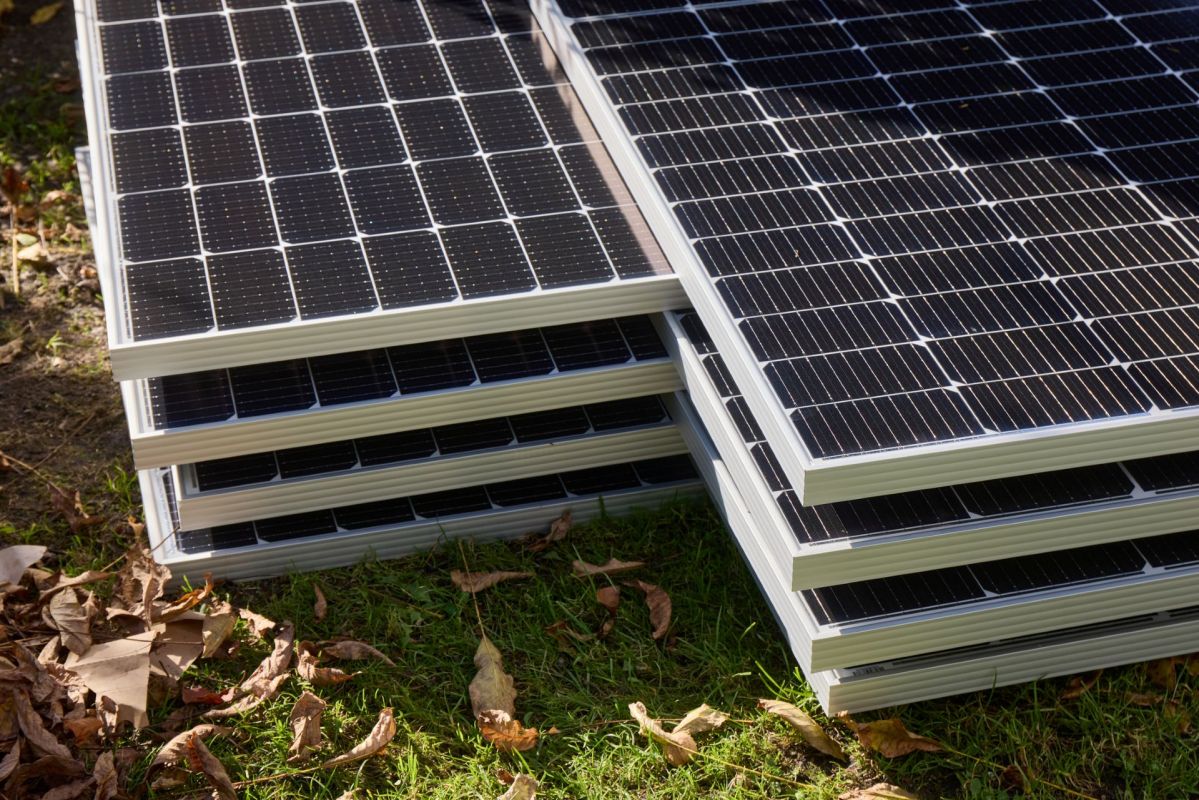
Eric Henley, a homeowner near Pensacola, Florida, found a cheaper way to lower his electric bill than committing to a full rooftop solar array. He said he had the system working within a day and is now cutting about $50 from his monthly power costs.
The idea is part of a broader shift in the United States toward smaller solar setups.
What's happening?
Instead of a full-house installation, plug-in solar — sometimes called balcony solar — uses a few compact panels connected through a standard outlet. According to Vital Signs, these smaller systems can run appliances like a refrigerator, a TV, and other basics, and they usually do not require professional installers, building permits, or utility interconnection agreements.
State laws are increasingly making room for the model. Utah was the first state to approve plug-in solar in March 2025 with near-unanimous bipartisan support, and eight states now allow it: Colorado, Connecticut, Maine, Maryland, New Hampshire, Utah, Vermont, and Virginia. Some of those laws will not take effect until Jan. 1, 2027, while 26 other states have proposals either awaiting a governor's approval or moving through legislatures.
The approach has been around much longer in other countries. Vital Signs reported that Germany began adopting plug-in solar in 2010 and now has about 4 million installations.
Going solar is one of the best ways to save money on home energy, whether that means starting small or installing a full rooftop system. Anyone curious about full-size solar arrays can use EnergySage to get quick solar installation estimates and compare quotes.
Why does it matter?
One of the biggest selling points of plug-in panels is the smaller upfront investment. Henley's savings work out to roughly $600 a year, and Vital Signs noted that plug-in systems typically cost about $500 to $1,000, compared with around $30,000 for a traditional rooftop setup.
That lower price point could make solar more realistic for people who want to shrink their power bills without starting a major home upgrade. For example, Brooklyn resident Priya Mulgaonkar purchased a 180-watt panel online and installed it on her fire escape.
Save $10,000 on solar panels without even sharing your phone number Want to go solar but not sure who to trust? EnergySage has your back with free and transparent quotes from fully vetted providers that can help you save as much as $10k on installation. To get started, just answer a few questions about your home — no phone number required. Within a day or two, EnergySage will email you the best local options for your needs, and their expert advisers can help you compare quotes and pick a winner. |

These setups can also cut the amount of electricity a home draws from higher-pollution grid power sources. The main requirements are at least six hours of direct sunlight, a dedicated outdoor circuit, and a UL-certified system. If outlet work is needed, an electrician may charge up to $300, according to Vital Signs.
What's being done?
Bright Saver is among the groups pushing the option forward. The advocacy organization offers 180-watt and 360-watt systems at cost to people in 47 states, plus a $29 membership fee, and believes the U.S. could have 60 million plug-in solar installations by 2035, Vital Signs reported.
For households considering a bigger leap, EnergySage's free services can help simplify the process. With EnergySage's help, the average person can save up to $10,000 on solar purchases and installations. And EnergySage's solar map shows the average cost of a home solar panel system on a state-by-state level, along with details on solar panel incentives in each state. Together, those resources can help readers get the best price for rooftop solar panels and access available incentives.
Adding battery storage to a solar setup is one of the best ways to protect your home during outages, save money on energy, and become less reliant on the grid. It also lets homeowners store solar power for later use, including after sunset or when the grid goes down. You can explore EnergySage for information about home battery storage options, including competitive installation estimates.
More From EnergySage
💡Go deep on the latest news and trends shaping the residential solar landscape

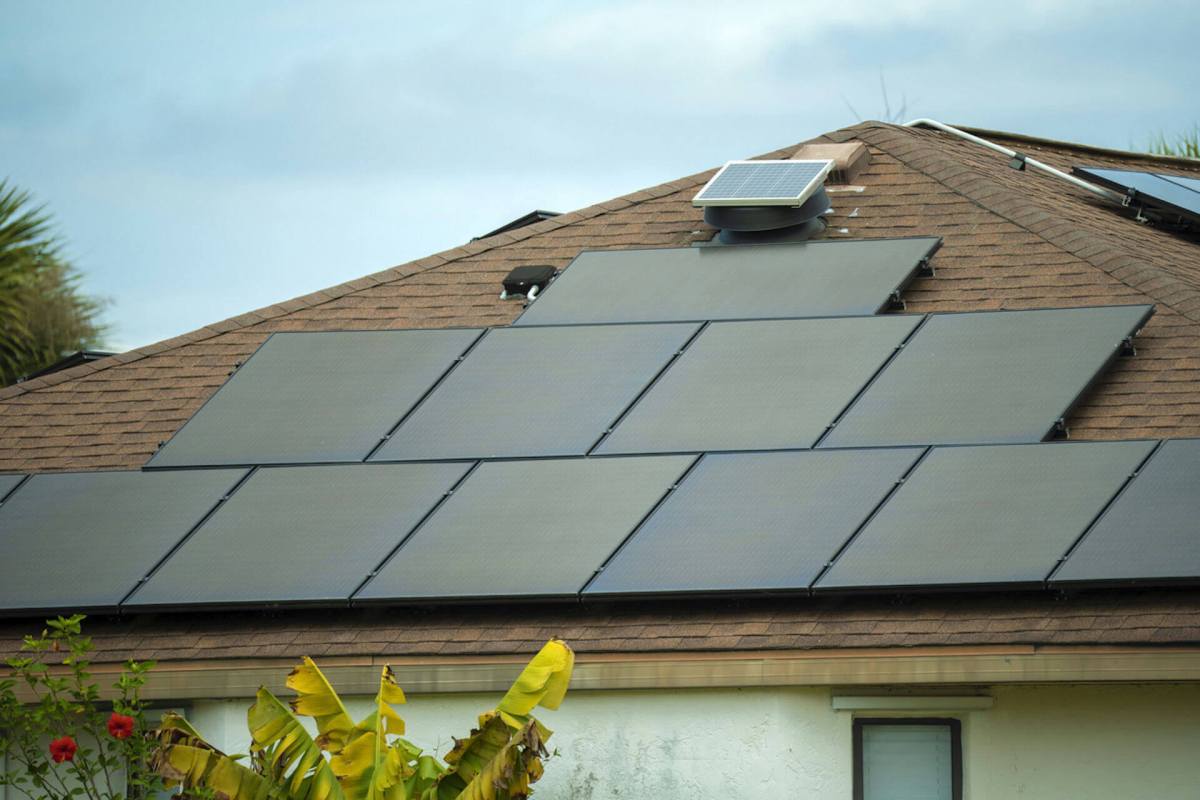

For Henley, the appeal was straightforward: low upfront effort, lower monthly bills, and savings he could see quickly.
"I had the lowest electric bill in May that I have had since I moved here over three years ago," Henley said.

Get TCD's free newsletters for easy tips, smart advice, and a chance to earn $5,000 toward home upgrades. To see more stories like this one, change your Google preferences here.






