


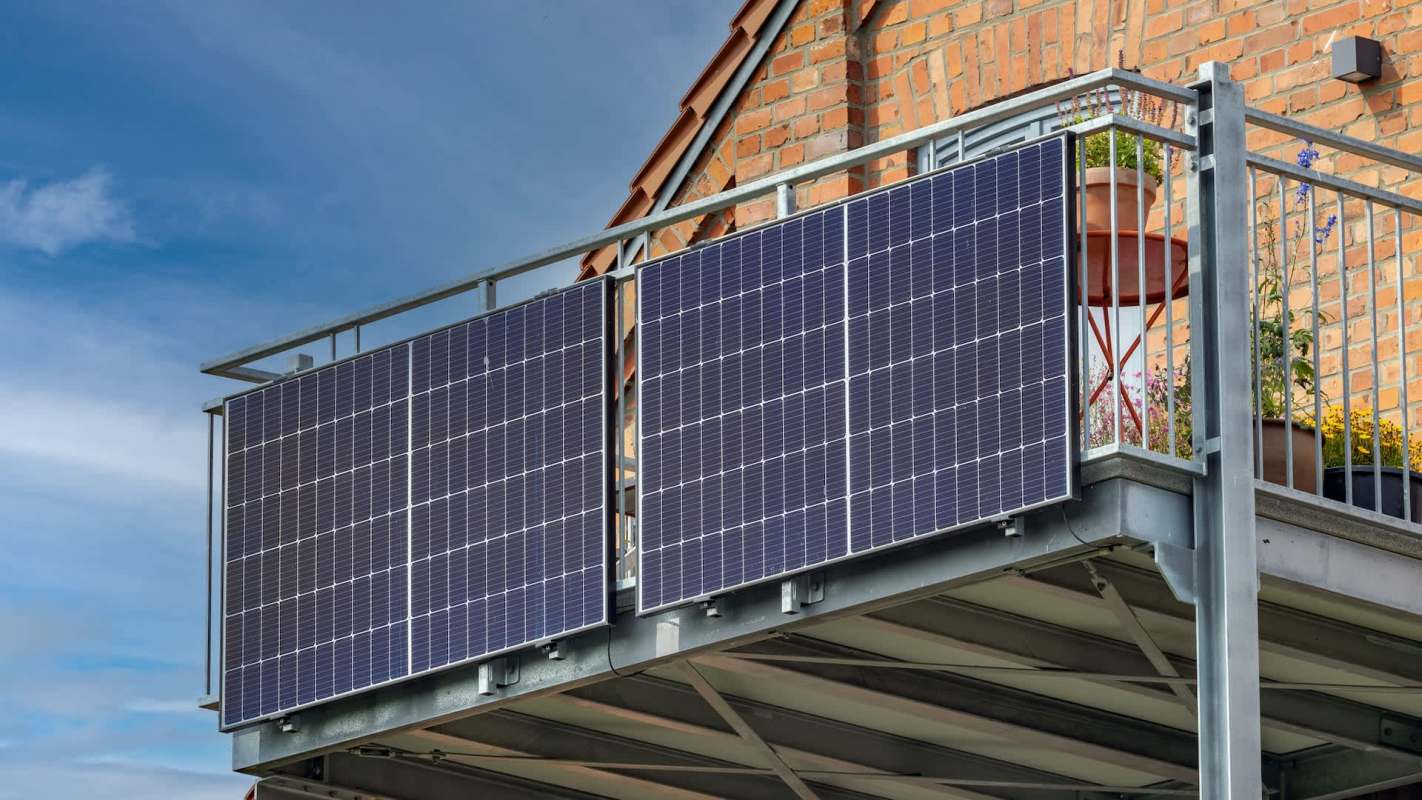
New state laws are making plug-in solar panels a real option for people in the U.S. who otherwise would be locked out of the technology.
Since Utah became the first state to allow plug-in solar, more states have moved to expand this lower-cost clean energy choice for renters and other households.
What happened?
Also known as balcony solar, these compact systems use a few panels placed in direct sunlight to send power through a regular home outlet. This tech cuts the amount of electricity a household or apartment needs from the utility without waiting for a landlord to set up a full system.
According to Canary Media, momentum has picked up fast: Utah acted first last year, and 10 other states have approved similar laws in recent months.
These systems are already widespread overseas, especially in Germany, where installations number in the millions.
In the United States, though, people cannot simply bring over the same devices and plug them in.
Bright Saver co-founder Cora Stryker said the gap between U.S. and German electrical standards is the main issue: "We unfortunately can't take one of those systems from Germany and bring them here and plug it into the wall, because we just have a different electrical system."
Why does it matter?
Changing the rules could bring solar within reach for people who are often shut out of traditional rooftop projects, including renters, apartment residents, and families that cannot afford a full installation.
Save $10,000 on solar panels without even sharing your phone number Want to go solar but not sure who to trust? EnergySage has your back with free and transparent quotes from fully vetted providers that can help you save as much as $10k on installation. To get started, just answer a few questions about your home — no phone number required. Within a day or two, EnergySage will email you the best local options for your needs, and their expert advisers can help you compare quotes and pick a winner. |

With energy bills still high for many households, even a modest system that offsets part of the monthly electricity use could offer some relief.
For homeowners who can install traditional panels, going solar is one of the best ways to save money on home energy. It may be worth exploring EnergySage's free tools to get quick solar installation estimates and compare quotes.
There are still regulatory and product hurdles. Canary Media reported that UL Solutions only started evaluating complete plug-in systems in January, and none have been officially certified yet. The outlet also said revisions to the National Electrical Code could expand access when the 2029 version takes effect.
What's being done?
Businesses that already know the European market are helping advance plug-in solar in the U.S., leading to a potential for accelerated adoption.
More From EnergySage
💡Go deep on the latest news and trends shaping the residential solar landscape

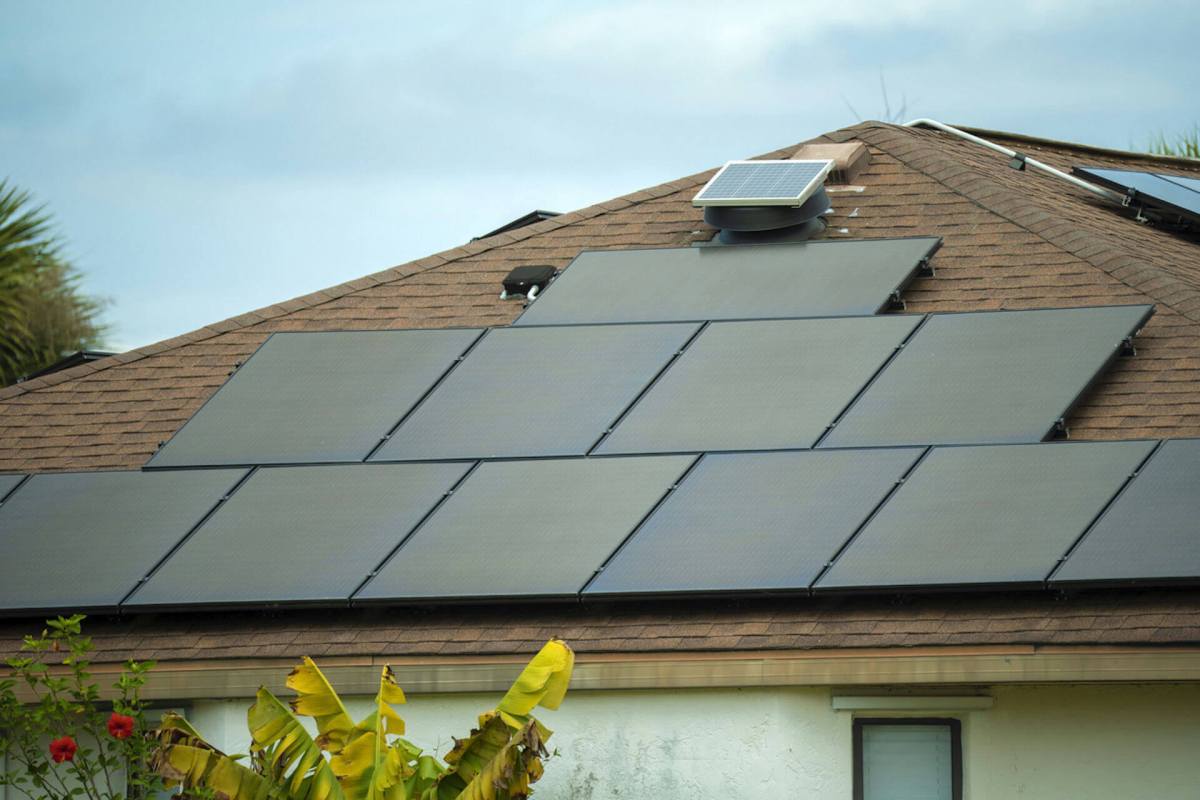

CraftStrom, a company founded in Germany in 2019, has sold thousands of systems nationwide, according to CEO and co-founder Stephan Scherer, though it had to modify its products to meet U.S. grid requirements.
In some cases, customers must hire an electrician to install a separate circuit. On standard household circuits, CraftStrom also sells a power meter that can reduce solar output in response to other electricity use, helping the setup stay within code.
For readers considering a full home solar setup, EnergySage's free services can be especially useful. The average person can save up to $10,000 on solar purchases and installations. Tools like EnergySage's solar map show the average cost of a home solar panel system by state and detail local incentives, which can help shoppers find the best price for rooftop solar panels and access available savings.
Adding battery storage to a solar setup is also one of the best ways to protect your home during outages, save money on energy, and go off-grid. Those interested in backup power can explore EnergySage's free tools for information about home battery storage options, including competitive installation estimates.
More competition from major German manufacturers in the U.S. should eventually lower prices for consumers, Stryker said. "The goal is to get those big German manufacturers here [in the U.S.] selling their systems, competing against each other, and lowering prices to the consumer," Stryker continued. "That will happen. It's a question of how fast that will happen."

Get TCD's free newsletters for easy tips, smart advice, and a chance to earn $5,000 toward home upgrades. To see more stories like this one, change your Google preferences here.






