


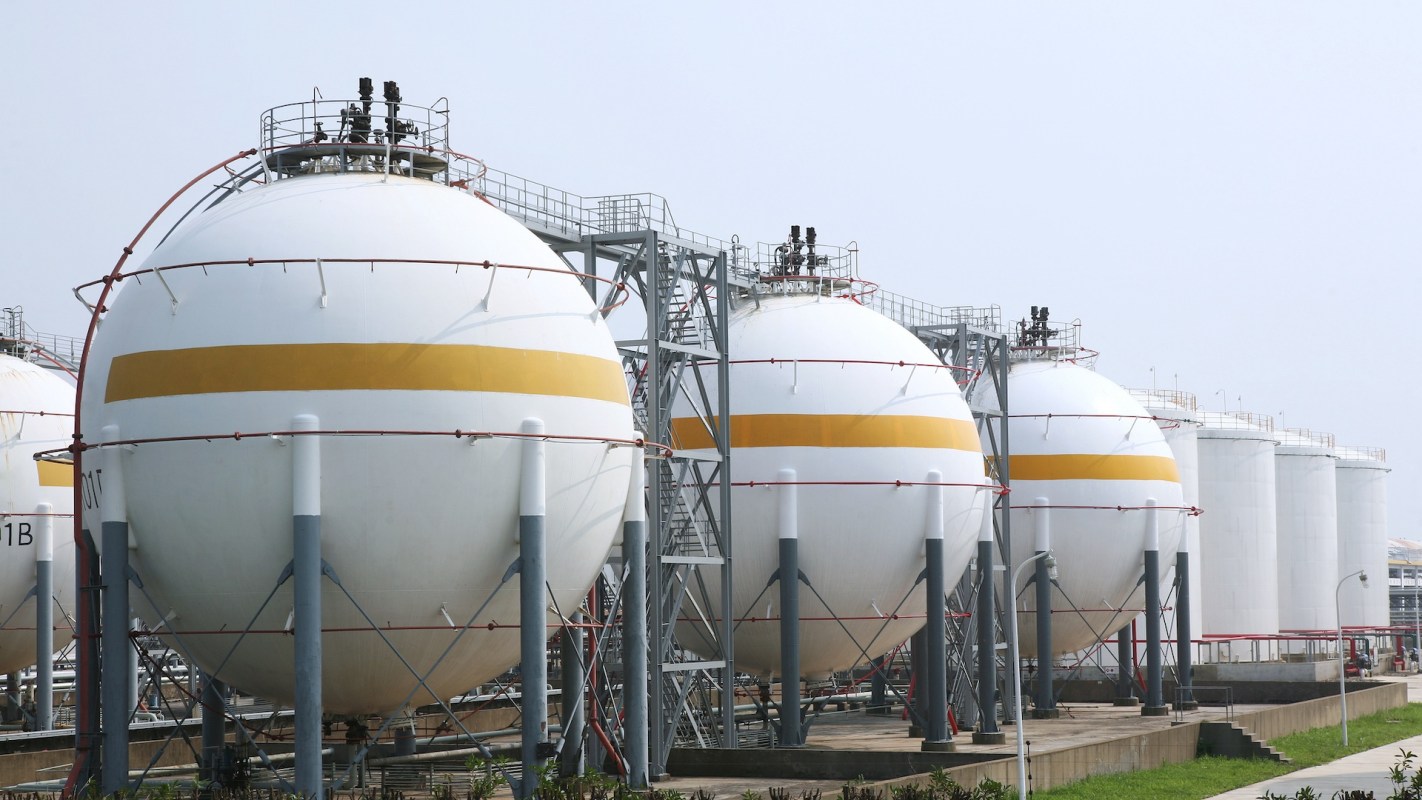
With solar panels and battery storage making up most proposed new power projects in Texas, lawmakers are considering new rules that would require minimum standards for building gas plants, a move that would shift the state away from a free-trade-based energy market.
What's happening?
According to Inside Climate News, citing data from the Electric Reliability Council of Texas, of the state's 460-gigawatt interconnection queue, roughly 70% of future projects are solar and battery storage, while natural gas generation makes up less than 17%.
Now, the outlet is reporting that during a hearing of the Texas Senate Committee on Business and Commerce, Sen. Phil King of Weatherford asked whether the state should require a certain share of new plants to be "dispatchable."
This rule change would essentially require a certain percentage of new energy projects to be natural gas plants that could be ramped up or down as needed, unlike solar and wind power, which are intermittent.
Pablo Vegas, CEO of the Electric Reliability Council of Texas, said, as reported by Inside Climate News, that kind of requirement would mark a sharp departure from the way the Texas grid operates today.
"That would be a pretty significant policy change to have a requirement like that," Vegas said, as the outlet reported.
TCD Picks » Quince Spotlight
💡These best-sellers from Quince deliver affordable, sustainable luxury for all




Because ERCOT pays generators for the power they produce rather than simply for being available, solar and wind often beat gas on price since they do not face fuel costs. Vegas and Public Utility Commission of Texas Chairman Thomas Gleeson said that dynamic may mean Texas needs longer-lasting incentives for gas plants.
Vegas pointed to July 22, when demand rose above 91 gigawatts, and the grid still had more than 20 gigawatts in reserve, but warned that the cushion could be gone within two to three years if electricity use keeps growing and most new additions remain renewables and batteries.
Why does it matter?
For homes and businesses, the debate centers on three key issues: cost, reliability, and health.
Slowing renewable growth or requiring more gas generation could push electricity prices higher, especially because solar and wind have helped hold down costs during times of intense demand.
Katie Coleman, as reported by Inside Climate News, speaking on behalf of the Texas Association of Manufacturers, the Texas Chemistry Council, and the Texas Oil and Gas Association, said the state's deregulated system has generally delivered "better reliability with better cost outcomes for consumers."
Requiring more gas plants could disrupt that lower-cost pattern.
It could also commit communities to decades of additional heat-trapping pollution and harmful air emissions from fossil fuel plants.
As one example, Vegas said fuel-burning plants were covering almost 90% of total demand late in the evening on a record demand day, after solar output had dropped off. However, despite claims that solar cannot be a reliable source of energy when the sun goes down, several communities are proving that, with large-scale battery backups, stored solar energy can provide overnight power for entire towns.
What's being done?
Texas has not so far set a minimum fossil-fuel requirement for new power projects.
The current fight is over what form any intervention should take: regulators, lawmakers, and industry groups are still arguing over a quota versus new financial incentives designed to make gas plants more attractive to build and operate.
Current market trends show that renewable sources are much better energy investments compared to fossil fuel-based power plants.
That prospect has also worried some business groups that usually favor limited government intervention in Texas.

Get TCD's free newsletters for easy tips, smart advice, and a chance to earn $5,000 toward home upgrades. To see more stories like this one, change your Google preferences here.






