


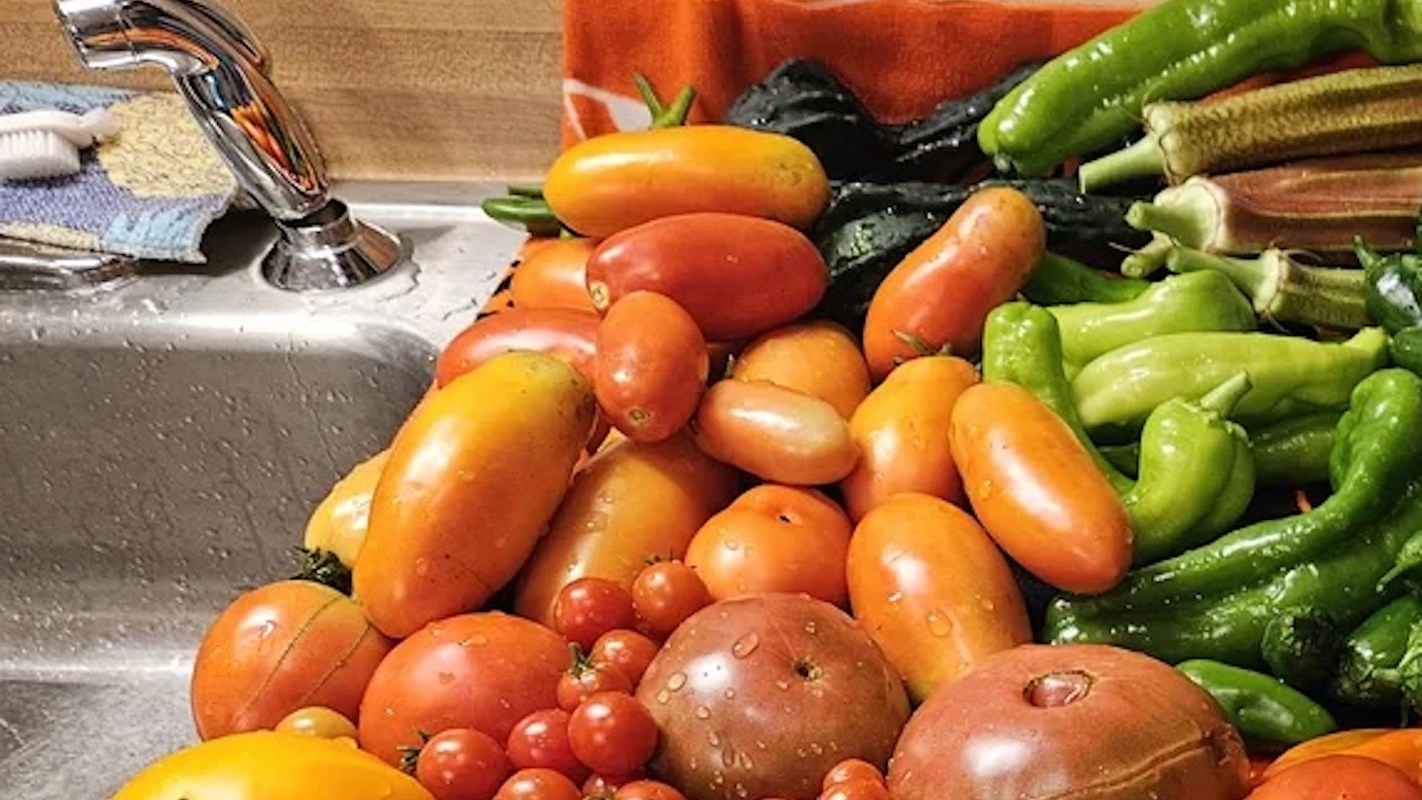
A Maryland gardener's midsummer bounty offered the kind of backyard abundance that makes homegrown dinners especially rewarding.
Posted to Reddit's gardening forum, the image featured a vivid collection of vegetables, including bitter melons, tomatoes, and other produce.
What happened?
A Baltimore gardener posted in Reddit's r/gardening, titled "Today's harvest," with a photo showcasing their plentiful haul filling the countertop.
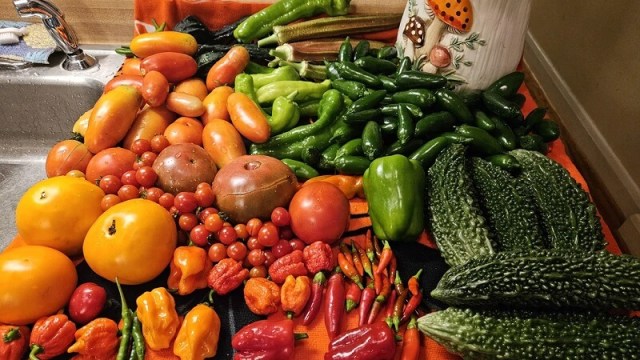
The amount gathered suggested the garden was producing regularly, not just delivering a one-off surprise. When someone in the comments asked how often the harvest was coming in, the gardener replied: "About every 3 days."
People on Reddit showed great enthusiasm in the comments. One commenter wrote, "Geez, beautiful!" Another added their praise while giving credit to pollinators that make these types of harvests possible: "Oh my word!! I bet your garden is gorgeous. And the pollinators, so cool. Your harvest makes my mouth water. Lol. Really good job."
Not everyone in the thread had the same growing conditions. One commenter dealing with a harsher growing climate wrote: "Bruh, genuinely jealous. We're in a dry part of the Pacific north west and have a short growing season. Only just started harvesting cherry tomatoes and a few romas recently."
TCD Picks » Quince Spotlight
💡These best-sellers from Quince deliver affordable, sustainable luxury for all




Why does it matter?
A productive garden can help households save money on produce, especially during peak season, when crops such as tomatoes and peppers often ripen quickly and in large quantities.
Homegrown fruits and vegetables are commonly harvested when they are at the perfect ripeness level, often leading to a tastier harvest than store-bought produce that may be harvested early or shipped long distances.
Gardening can also support both mental and physical health. Caring for plants gets people moving, encourages time outdoors, and can provide a calming daily routine.
Growing food at home can also reduce some of the packaging and transportation tied to grocery store produce. Even a modest harvest can make a difference at the household level while helping people build a stronger connection to the food they eat.
What can I do?
Getting started does not require a huge backyard. Tomatoes, peppers, herbs, lettuce, and even some climbing vegetables can thrive in raised beds, containers, or small garden plots.
Climate still matters, as the Pacific Northwest commenter pointed out. The best strategy is to choose crops suited to your region's temperatures, sunlight, and growing season rather than trying to force plants that require very different conditions.
Starting small can make the process easier and more affordable. Just a few productive plants can add flavor to meals and give you the chance to step into your backyard for a fresh fruit or vegetable without grabbing your credit card.
If you're ready to try it yourself, this guide to growing your own food can help with practical first steps.

Get TCD's free newsletters for easy tips, smart advice, and a chance to earn $5,000 toward home upgrades. To see more stories like this one, change your Google preferences here.






