


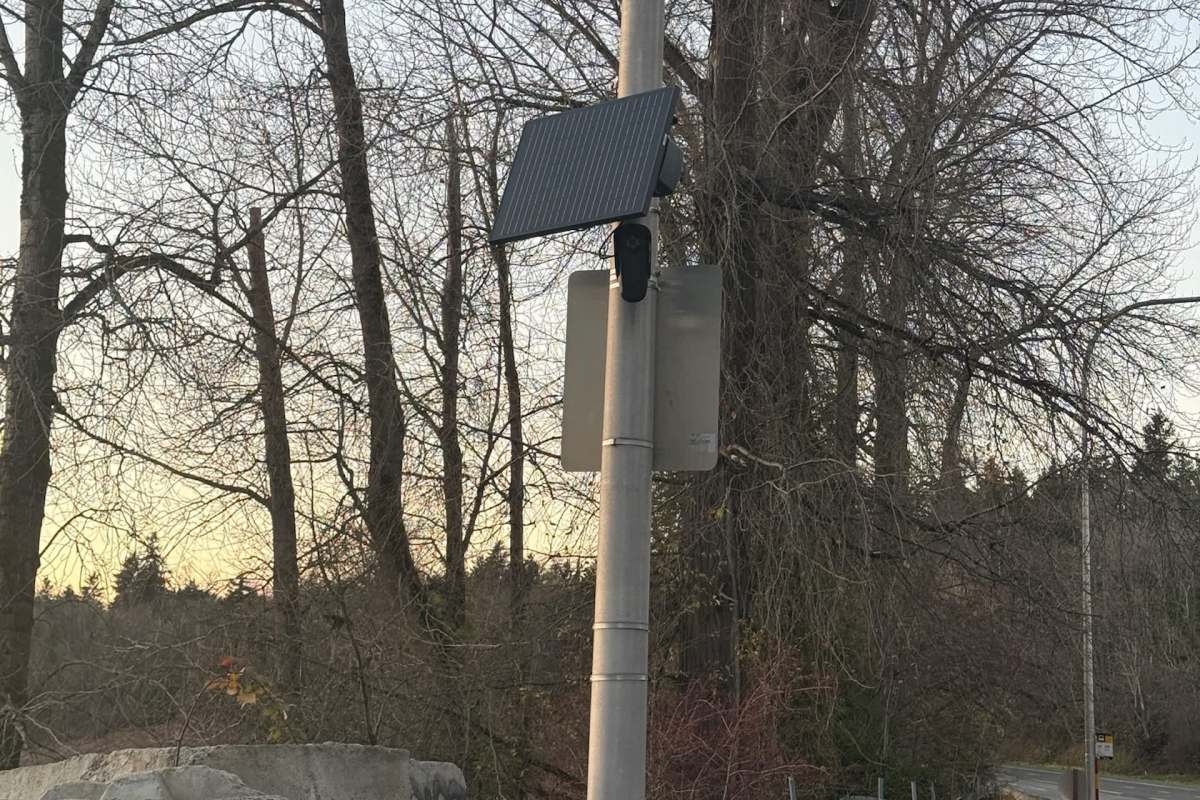
Renton, Washington, is taking a highly visible step in its ongoing fight over surveillance technology after city officials voted to physically cover the city's Flock cameras.
The move goes further than simply switching the devices off.
What happened?
At its Monday meeting, the Renton City Council approved a plan to cover all of the city's Flock cameras, according to Seattle Weekly.
The cameras were already inactive when the vote happened. The council had paused police use of automatic license plate recognition systems May 4, and when members returned to the issue July 22, they restored Axon ALPR cameras in police vehicles and Genetec ALPR cameras in parking enforcement vehicles while keeping the Flock cameras off.
Council member Kim-Khánh Văn, who proposed the motion to cover the cameras, said the issue was tied to rebuilding public confidence after residents were alarmed by the cameras' return without community notice following a March 30 shutdown related to compliance with Washington Senate Bill 6002, the newspaper reported.
Only council member James Alberson voted no.
TCD Picks » Quince Spotlight
💡These best-sellers from Quince deliver affordable, sustainable luxury for all




"We've been hearing a lot of concerns around transparency and trust, and I think it's in the best direction to help foster that by listening to the public," council member Carmen Rivera said, per Seattle Weekly.
Why does it matter?
License plate readers are often promoted as public safety tools, but they raise broader questions about surveillance, data collection, and whether sensitive information could be misused or accessed in ways the public cannot easily verify.
Many people want to feel safe without also feeling constantly watched. Those concerns can be especially acute in communities that already feel vulnerable to overpolicing or data misuse.
Văn captured that fear directly, saying there was "real fear from our community getting disappeared," Seattle Weekly reported.
The vote centered not only on whether the city shut off the system but also on whether residents believed the technology and the company behind it were being held accountable.
"My issue is with Flock. It is with this data collection company. It is not a public safety company," Rivera said, per Seattle Weekly.
Still, not everyone agreed with the move. Alberson argued that because the cameras were turned off, putting covers on them created extra work for city staff and was "not an exhibition of trust" with the Renton Police Department.
What's being done?
The plan is to keep the Flock cameras covered unless the city removes them or officials decide to renew the contract.
That gives them more time to determine what role, if any, the system should have in Renton.
In a separate motion, the council approved a town hall on Flock cameras to be organized by the city and police department. Văn said she wants residents to receive the same kind of orientation council members received so the community can better understand how the technology works and how it has been used in Renton, according to the Seattle Weekly.
"I think that this would help with a lot of the questions, concerns, and just foster, I think, good civil discourse on the issues when it comes to Flock," Rivera said.

Get TCD's free newsletters for easy tips, smart advice, and a chance to earn $5,000 toward home upgrades. To see more stories like this one, change your Google preferences here.






