


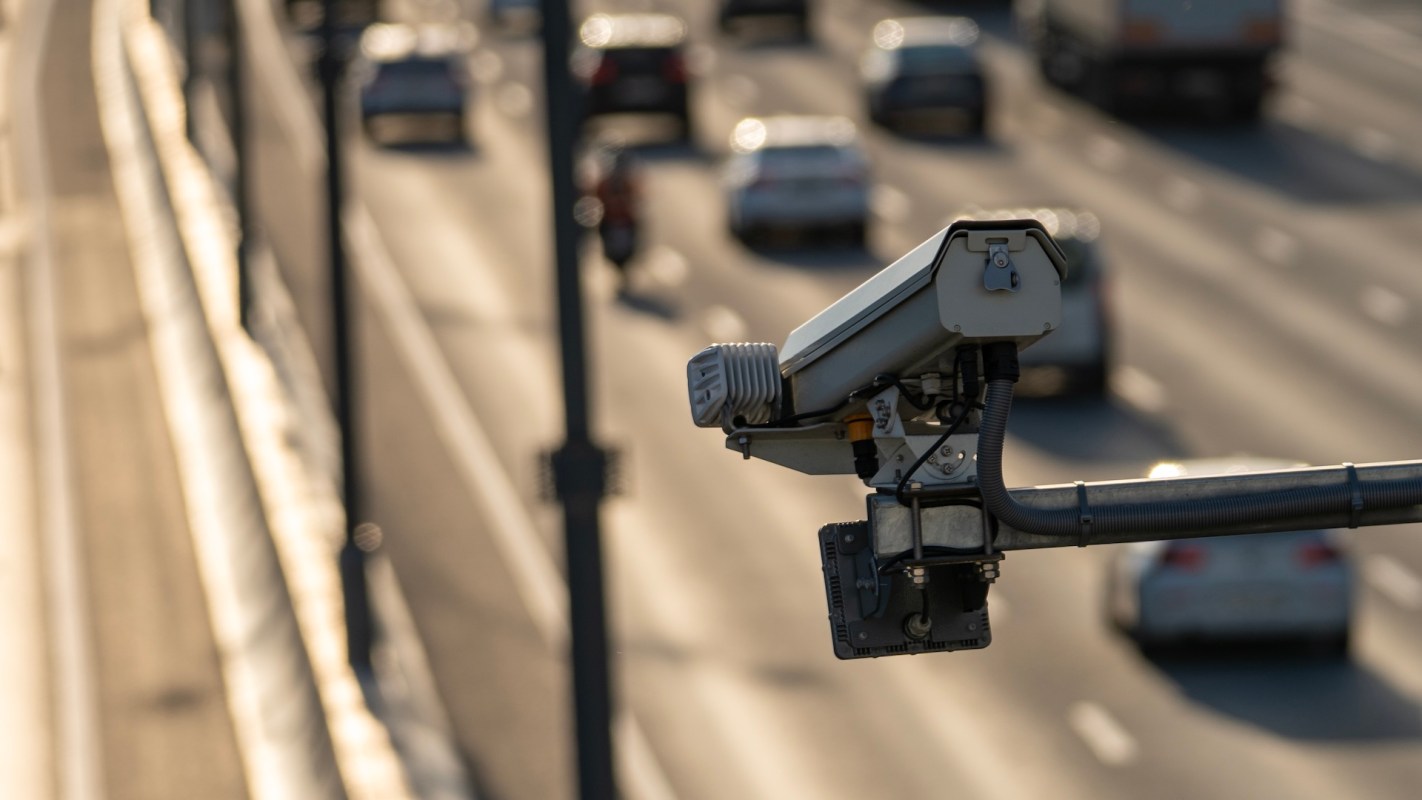
A Detroit suburb is grappling with a question becoming increasingly relevant far beyond its borders: How much surveillance is too much when tools meant to support public safety also capture the routine movements of everyday people?
In Sterling Heights, the city's 24 license plate readers logged more than a million unique plates in a 30-day span, bringing the dispute into sharper relief, WDIV-TV reported.
What happened?
Councilmember Michael Radtke Jr. asked the police department for a year's worth of records as the Sterling Heights City Council pushed for tighter review of the city's Flock camera program.
The city's online transparency portal says the cameras capture vehicles rather than people and retain data for 30 days unless it is tied to a crime or an ongoing investigation.
During that same 30-day period, police conducted 451 searches.
Radtke said he recognizes the system's value but is concerned about where it could lead.
TCD Picks » Quince Spotlight
💡These best-sellers from Quince deliver affordable, sustainable luxury for all




"While this is a tremendous tool for law enforcement, my fear is more the slippery slope of how this could be misused in the future," he explained.
Residents raised similar concerns during public comment at a recent council meeting.
"I know my data is in there, my son's data is in there, my wife's data is in there," one said.
Another resident raised concerns about how Flock camera data was handled and with whom it was shared.
Why does it matter?
The Sterling Heights dispute reflects a broader tension playing out in communities across the country — people want effective tools to solve crimes, but many are uneasy with systems that quietly collect vast amounts of data about ordinary life.
A citywide plate-reader network can create a record of where people travel, when they leave home, and the routines that shape their daily lives.
Even if the data is not sold and is supposed to remain within one department, residents are still asking who can access it and how that sharing could expand over time.
"I have tremendous confidence in our police department. I don't have confidence in every other police department, and essentially once you're in the system, you're there for good," Radtke said.
What's being done?
Police Chief Andrew Satterfield has defended the cameras as an effective tool for law enforcement.
"The Flock technology in law enforcement is probably the best law enforcement tool since the discovery of fingerprints and DNA — a useful tool for us to solve crimes," he maintained.
Satterfield also said audits have been increased from yearly to monthly.
At the same time, some Michigan communities have already stepped back.
Clawson, Ferndale, Milford, and Westland have chosen not to extend their Flock contracts over privacy concerns, WDIV-TV reported.
There is also movement at the state level.
Michigan Sen. Jim Runestad introduced Senate Bill 1131 to require warrants for database access and to cut data retention to 14 days.
Sterling Heights is expected to vote on renewing its Flock contract in August, and the police department says it plans to provide more information before then.
"We need to make sure there are firm safeguards in place and punishments if it's misused," Radtke asserted.
One resident's view captured the unease behind the debate.
"I am far from convinced that it is exactly worth it," they admitted.

Get TCD's free newsletters for easy tips, smart advice, and a chance to earn $5,000 toward home upgrades. To see more stories like this one, change your Google preferences here.






