


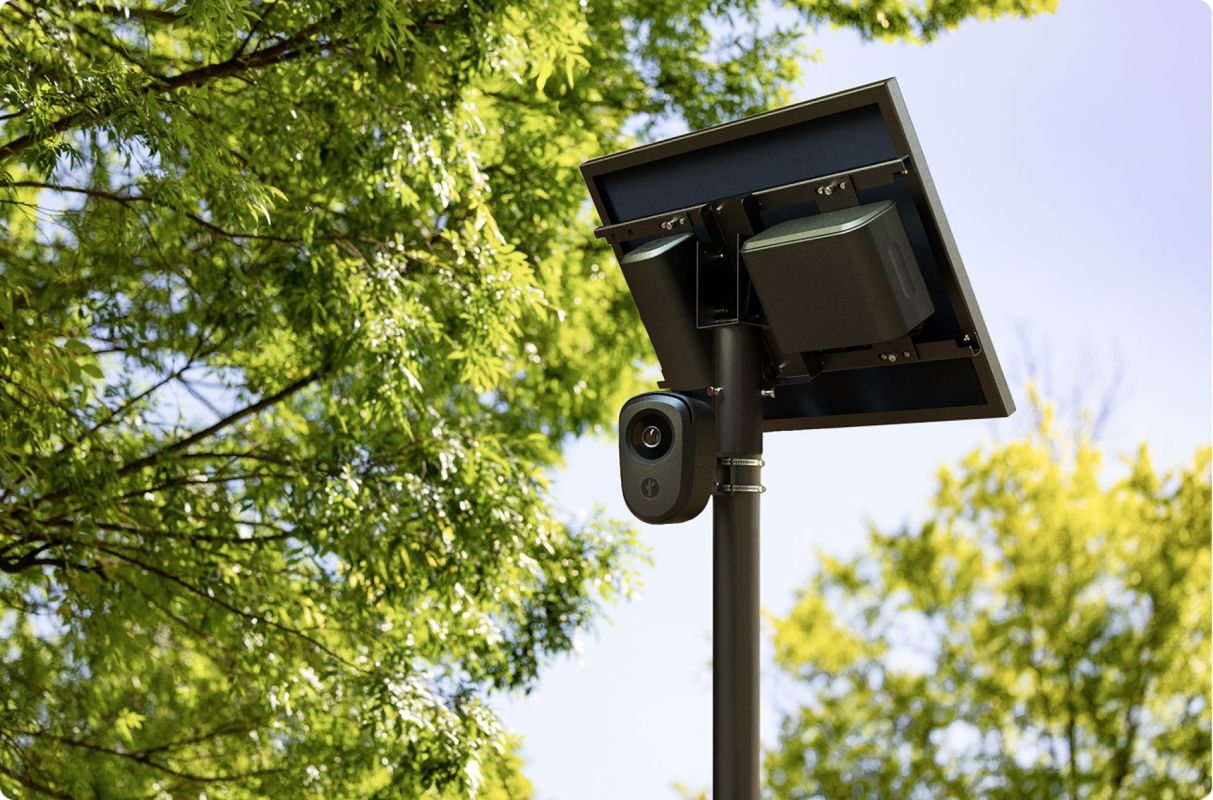
An internal review that found repeated mistakes in artificial intelligence-generated stolen-vehicle alerts is pushing the Los Angeles Police Department away from one of its surveillance technologies.
According to ABC News, the LAPD does not plan to continue its three-year deal with Flock Safety, the company whose automated license plate reader cameras have spread quickly to police departments around the United States.
What happened?
The department said it will allow its agreement with Flock to expire rather than renew it, citing public concerns about privacy, civil rights, and the data collected by the cameras.
The decision comes as AI-powered surveillance systems continue to expand nationwide.
404 Media said a July 10 audit by the LAPD Office of the Inspector General found 161 incorrect stolen-vehicle alerts from the department's license plate reader cameras during a two-month period.
Every one of those mistaken alerts led officers to stop a driver whose car had not been stolen.
TCD Picks » Quince Spotlight
💡These best-sellers from Quince deliver affordable, sustainable luxury for all




With 337 alerts resulting in stolen-vehicle recoveries, the system still posted a 32.3% error rate, as Futurism observed — meaning nearly one in three stops connected to these alerts involved an innocent person.
A case in Minnesota underscored that risk. The Drive's Joel Feder wrote that police descended on him and his wife while they were test-driving a Range Rover after Flock had wrongly marked the vehicle as stolen.
Why does it matter?
A false alert can mean being pulled over, questioned, delayed, and thrust into a stressful or even dangerous encounter simply because the software made a mistake. It also raises concerns about how much location data is being collected on people who are not suspected of any crime.
According to 404 Media, the LAPD inspector general's audit stated: "In addition to creating an inconvenience for vehicle owners, these inaccuracies can affect individual liberty interests, erode public trust, and potentially create substantial legal and financial liability concerns."
AI can offer useful benefits, including helping improve traffic flow and supporting cleaner, more efficient energy systems on the grid. However, those benefits can come with tradeoffs, as AI systems often create privacy harms, security concerns, and real-world errors when used carelessly.
What's being done?
For now, the clearest response is the LAPD's choice to let the contract end.
Even if the cameras helped recover stolen vehicles, the department appears to have concluded that the error rate and civil-liberties concerns were too significant to ignore.
This all adds to calls for stricter rules around surveillance technology, including accuracy standards, transparency requirements, and clearer restrictions on data sharing between agencies.
The decision to let the contract expire stands out because the LAPD has often shown a willingness to adopt surveillance tools.
As LAPD chief information officer Dean Gialamas told ABC, "This contract is not being renewed because of serious concerns around civil liberties and civil rights issues, particularly around privacy and the data that is being collected from these cameras."

Get TCD's free newsletters for easy tips, smart advice, and a chance to earn $5,000 toward home upgrades. To see more stories like this one, change your Google preferences here.






