


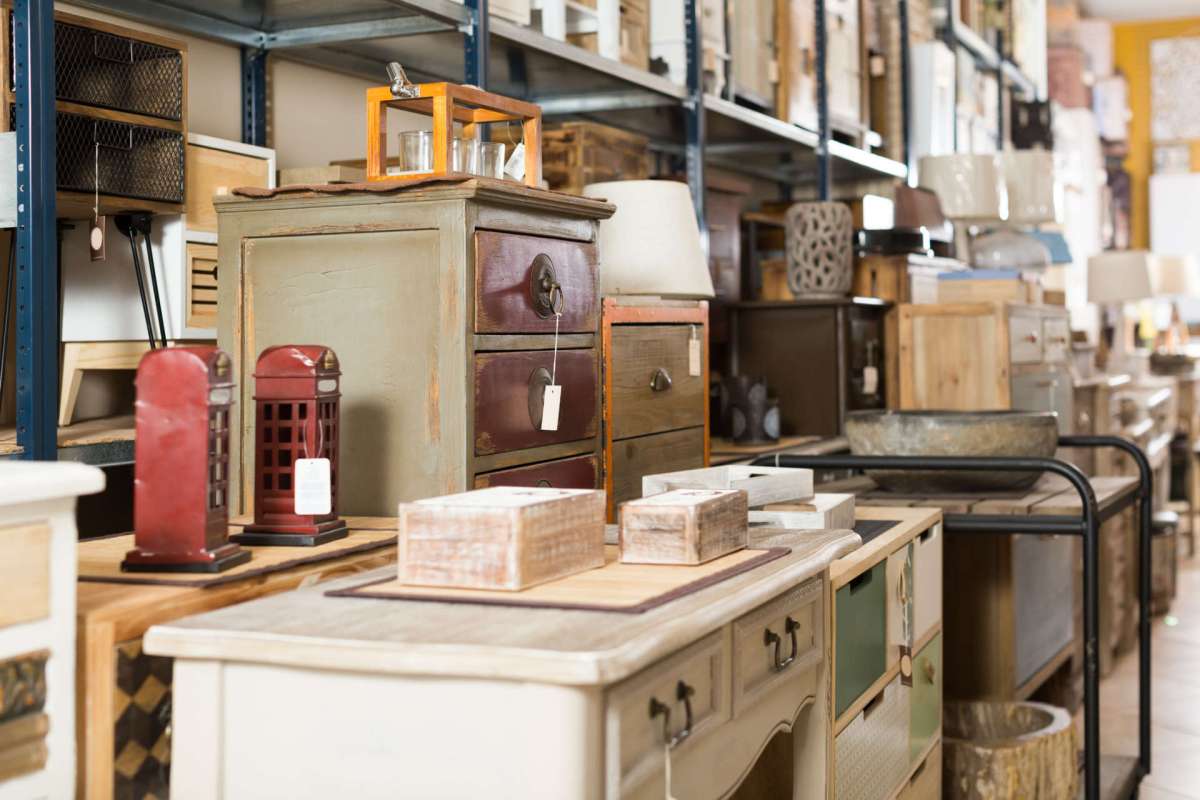
A thrifted item can seem like a great score in the moment, only to look far less impressive once it is home.
One social media expert says a quick "pinky test" can help shoppers sort sturdier secondhand finds from pieces that only appear well-made.
In an Instagram clip highlighted by the U.K.'s Mirror, Lauren, a creator who shares lifestyle tips with her partner, Jeff, explained how she checks used items before purchasing them.
What's happening?
One of Lauren's go-to checks is the "pinky finger test," which she applies to drawer furniture such as dressers and jewelry boxes.
Rather than pulling or slamming a drawer, she gives an open one a light nudge with her little finger. If it slides closed with almost no effort, that can point to stronger construction.
If a piece struggles to shut under that minimal pressure, Lauren treats it as a sign of lower quality. A smoother close, she said, can suggest "expert level craftsmanship."
TCD Picks » Quince Spotlight
💡These best-sellers from Quince deliver affordable, sustainable luxury for all




In crowded secondhand stores or at garage sales, that kind of quick check can be useful when there is not enough time to inspect every piece carefully.
She offered another fast check for glassware as well. A light flick can help distinguish regular glass from crystal: plain glass usually makes a shorter, flatter sound, while crystal tends to ring for longer.
Why does it matter?
Thrifting helps shoppers save significantly on everyday essentials, from storage furniture to kitchenware, while also creating opportunities to find rare or valuable pieces at a steep discount.
Still, those savings only go so far if an item does not hold up once it gets home.
A better eye for quality can help shoppers avoid poorly made goods or overspending on something that only seems special at first glance. It can be especially useful for people furnishing apartments, replacing household basics, or building a collection on a budget.
Shopping secondhand keeps usable items in circulation longer, which can help reduce waste and make the most of products that have already been manufactured.
A durable dresser or crystal serving piece purchased used is one less item that could otherwise end up in the trash.
What can I do?
Start with a simple checklist.
Test drawers, inspect corners and joints, and look for solid materials rather than flimsy veneers. For dishes and decor, checking for chips, cracks, and repairs before buying can also help prevent disappointment later.
It may also be worth thinking beyond trendy collectibles. Thrift stores can be excellent places to find affordable everyday items such as lamps, shelves, baskets, kitchen tools, and picture frames.
Those practical purchases can lower household costs just as much as finding a standout vintage piece.
For anyone hoping to build better secondhand shopping habits, this resource for shopping at thrift stores offers several more tips and input from other avid secondhand shoppers.
Taken together, Lauren's tips focus on what your hands and ears can tell you: The "pinky finger test" can help identify pieces with "expert-level craftsmanship," while the "long, musical, ringing sound" will more easily differentiate crystal from glass.

Get TCD's free newsletters for easy tips, smart advice, and a chance to earn $5,000 toward home upgrades. To see more stories like this one, change your Google preferences here.






