


In northern Illinois, local resistance in Grayslake is complicating plans for a huge proposed data center campus, with one piece of the project facing a significant delay.
The latest flashpoint involves wetlands: the developer has backed away from pursuing a major permit, highlighting how community opposition can still influence projects of this size, the Daily Herald reported.
What's happening?
T-5 Data Centers, which is based in Atlanta, has placed its wetland-remediation permit application for a Grayslake property on indefinite hold.
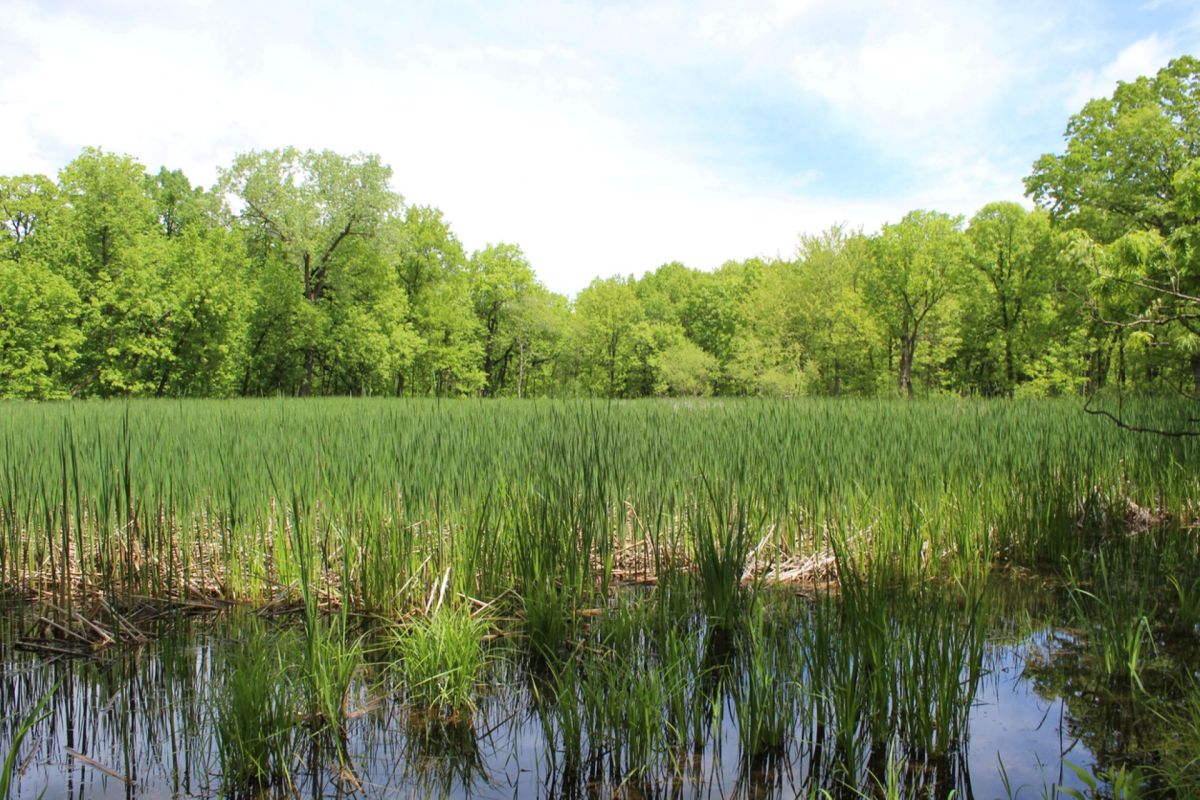
The permit approval would have been necessary for the company to fill 15.75 acres of wetlands tied to its larger development plans.
In a statement, T-5 CEO Pete Marin acknowledged the decision.
"We've successfully managed wetland remediation projects in many regions and always consider local readiness and support before moving forward with those plans," he said, per the Daily Herald.
TCD Picks » Quince Spotlight
💡These best-sellers from Quince deliver affordable, sustainable luxury for all




"Given the extent of community questions and concerns about wetland remediation in Grayslake, we've volunteered to indefinitely suspend our permit application for wetland remediation," Marin added.
However, the broader campus proposal remains active.
Between September 2024 and May 2025, the village approved T-5's plans for an AI-ready data center campus that could expand into an $18 billion project covering as much as 472 acres, including 18 buildings and spanning about 10 million square feet.
Why does it matter?
Organized opposition has continued throughout the process.
Michael Smith, a North Barrington resident who is chairperson and co-founder of the Lake County Data Center Opposition Coalition, said of the permit withdrawal that it was "encouraging to know that they're hearing us," while also saying a lawsuit over the approval process is still expected, the Daily Herald reported.
Wetlands absorb floodwater, filter pollutants, support wildlife, and protect nearby ecosystems.
The clash in Grayslake also points to wider frustration over the pace of big data center development.
Opponents there have warned about water consumption, power demand, and environmental consequences, and those concerns are becoming more common as AI infrastructure spreads.
Supporters claim that the project could bring hundreds of millions of dollars in tax revenue for schools and first responders, but many residents say those benefits should not come at the expense of wetlands and quality of life.
What's being done?
The wetlands portion of the plan that drew some of the strongest criticism is on pause.
Chase Muscato, deputy village manager, said the village "strongly advocated" for withdrawal of the wetland permit.
"The mitigation was not necessary for the project to move forward," Muscato stated, per the Daily Herald.
That does not mean all work has stopped. Muscato said the Alter Group, the original developer, is still handling general site work such as roads and water mains, and that T-5 is in the "administrative technical building permit process" for the first building and its associated electrical facility; a foundation permit has already been issued.
Residents are still organizing as well.
The coalition has a board and about 30 active members who, as the Daily Herald reported, have canvassed neighborhoods, handed out yard signs, organized protests, and raised money.
"We'll see where things go from there," Smith said.
Marin, meanwhile, said T-5 is "fully committed to continuing our partnership with local officials and delivering a development that is not only sustainable, but also produces over 1,600 jobs."

Get TCD's free newsletters for easy tips, smart advice, and a chance to earn $5,000 toward home upgrades. To see more stories like this one, change your Google preferences here.






