


Promises of an artificial intelligence boom tend to focus on computing power and energy. In the Great Lakes region, though, the questions naturally turn to the significant water usage to power and cool the tech.
What happened?
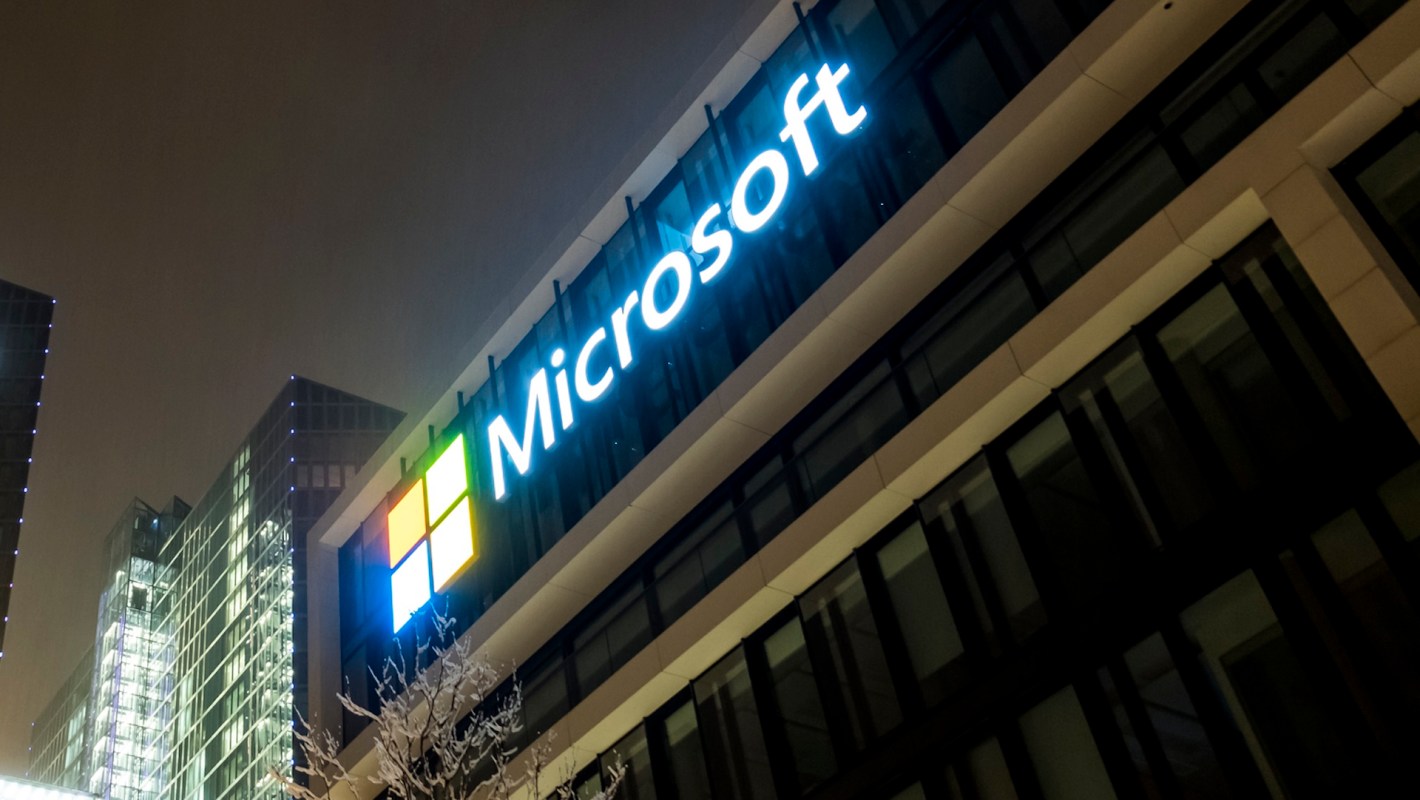
As Wisconsin Public Radio reports, the issue is intensifying after Microsoft said its major new data centers in the region are expected to stay well below a key water-use threshold that would trigger additional scrutiny.
During a panel, Microsoft official Jonathan Noble indicated that the company's Great Lakes-region facilities are expected to stay under the Great Lakes Compact level that can prompt additional regional review, as WPR reported.
Under the compact, when a project is projected to lose 5 million gallons of water a day over a 90-day period, the system jumps into action.
Microsoft is investing $20 billion in data centers in Mount Pleasant, Wisconsin, while also building campuses in Michigan and Indiana, according to WPR. The Great Lakes Compact largely prohibits water diversions outside the basin and requires neighboring states and provinces to be notified when large-loss projects cross that threshold.
Noble said most of the company's sites are expected to use "closed-loop" cooling systems like Mount Pleasant, according to WPR. Closed-loop systems generally use less water than evaporative cooling.
TCD Picks » Quince Spotlight
💡These best-sellers from Quince deliver affordable, sustainable luxury for all




In Mount Pleasant, the city of Racine projected last year that Microsoft's full buildout could use up to 8.4 million gallons per year, Wisconsin Public Radio reported.
Microsoft said its average daily use there is estimated at about 15,000 gallons. It could climb to as much as 468,000 gallons on the hottest days, Adam Freihoefer, water use section manager for the Wisconsin Department of Natural Resources, told WPR.
Why does it matter?
The Great Lakes contain about 20% of the Earth's fresh water, according to the EPA.
The region is also becoming a data center hub. WPR reported that by the end of 2024, the Great Lakes region had more than 500 facilities, representing about 20% of all U.S. data centers.
Direct water use from the centers themselves may remain relatively modest. But their electricity demand could also increase water use at power plants.
Data centers support AI tools, cloud computing, and other digital infrastructure, including systems used to improve grid operations and integrate wind and solar power. Rapid growth in AI has also raised concerns about electricity demand, in this case, specifically water use at power plants.
Wisconsin regulators have already pointed to that indirect effect. State officials said water demand tied to the buildout may come not from the server racks, but from the power sector that keeps them running.
WPR reported that We Energies is adding 3 gigawatts to meet data center demand, including gas-fired generation, and that Wisconsin's 10 largest power plants used about 715 billion gallons of water in 2024.
What's being done?
Peter Johnson, deputy director of the Great Lakes St. Lawrence Governors and Premiers, told WPR that recent assessments didn't uncover substantial impacts from withdrawals and diversions to Lake Michigan, "but we are continuing to keep our eyes on that."
Some advocates harbored transparency concerns.
"As long as the water system has the capacity to supply, there's really no requirement to report on that water usage," Helena Volzer, senior source water policy manager for the Alliance for the Great Lakes, told WPR.

Get TCD's free newsletters for easy tips, smart advice, and a chance to earn $5,000 toward home upgrades. To see more stories like this one, change your Google preferences here.






