


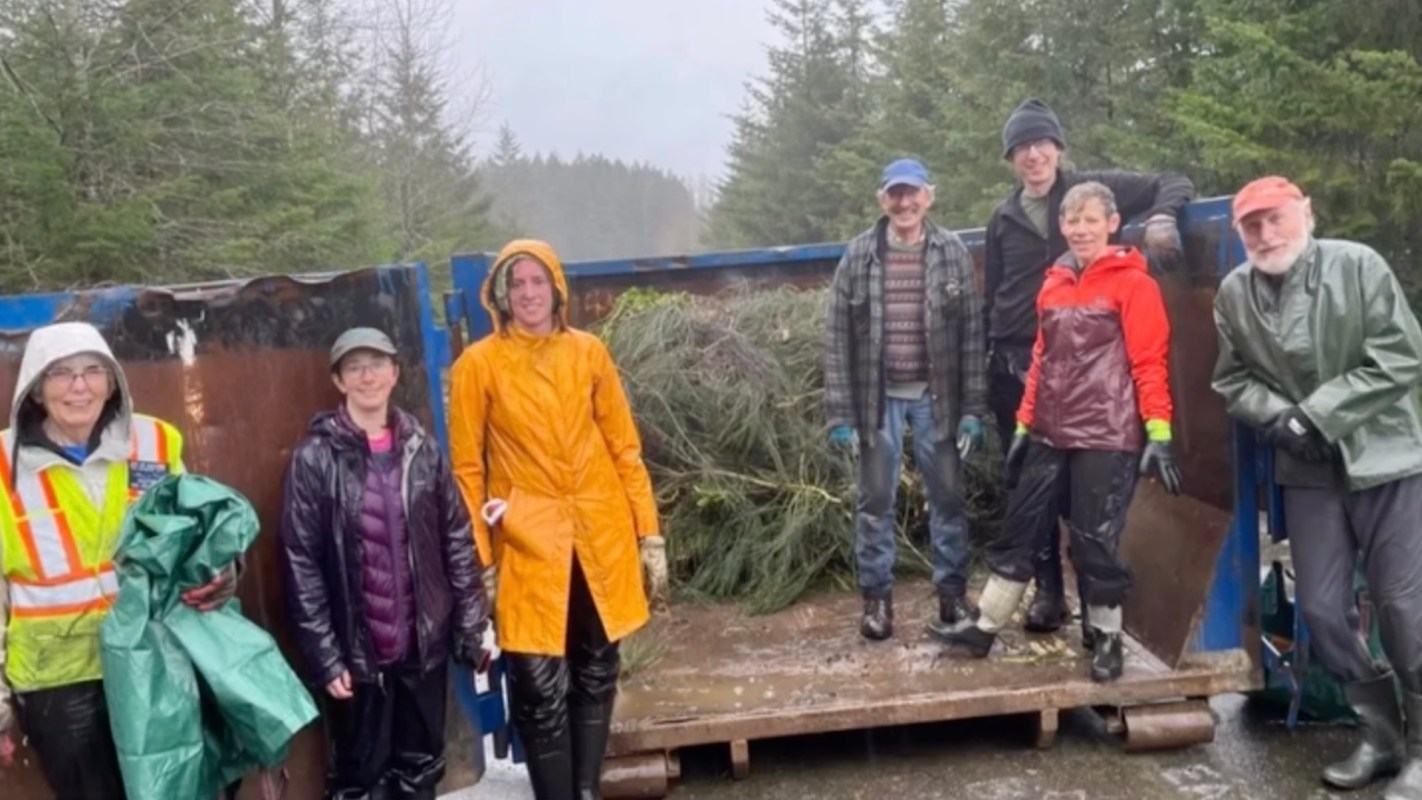
A Vancouver Island city is taking aim at one of the most common pathways for invasive species to spread.
Nanaimo, British Columbia, is moving ahead with restrictions on the sale and distribution of invasive plants after a city council vote, a step supporters have said could help protect local ecosystems before the damage becomes widespread and costly to reverse.
What's happening?
City councilor Hilary Eastmure (@hilaryeastmure) shared the news in an Instagram post. She said in the caption that after council backed the effort on July 20, 2026, Nanaimo is preparing the proposed local ban for its next formal stage.
Eastmure described the move as the next phase of a longer-running effort, which began in March 2025. She said she took on the cause after volunteering to remove invasive plants in the nearby ecosystem.
While the post did not name specific plants, invasive species are generally understood as those that spread aggressively outside their native range, often crowding out other vegetation and creating lasting problems for parks, waterways, backyards, and restoration areas.
Councilor Paul Manly specifically called out holly and Scotch broom as flammable and potentially dangerous invasive plants.
TCD Picks » Quince Spotlight
💡These best-sellers from Quince deliver affordable, sustainable luxury for all




"We have seen some of these species sold before, and I think it's good to have it clear in a business bylaw that it's not an acceptable practice," he told the Nanaimo Bulletin.
Why does it matter?
Invasive plants can be far more than a landscaping nuisance. They can overrun yards, spread into neighboring properties, damage habitat, and leave cities and volunteers spending significant time and money on removal efforts that may have been preventable.
A sales ban is meant to interrupt that cycle earlier. If fewer invasive species are sold or distributed in the first place, there is less chance they will spread into ravines, roadsides, wetlands, and other vulnerable spaces. That can help preserve biodiversity while also reducing cleanup costs that often fall on taxpayers.
The move also reflects a shift in how cities approach prevention. Rather than waiting until invasive plants are deeply established, Nanaimo is trying to address the issue at its source.
At the same time, such bans can raise understandable concerns for nurseries, landscapers, and home gardeners. Retailers may need to adjust inventory, and shoppers may be unsure which species are affected.
What's being done?
Before the restriction can be formally adopted, Eastmure said staff still need to convert it into a business-license bylaw amendment and bring it back to council. That administrative step is expected to be the next phase of the policy.
The measure also supports awareness campaigns and work parties in removing invasive species. Eastmure framed the effort as a collaborative one.
"Thanks @cityofnanaimo staff for their efforts on this, as well as the many community volunteers and organizations in Nanaimo and elsewhere committed to helping stop and mitigate the spread of invasive species," she wrote in her caption.

Get TCD's free newsletters for easy tips, smart advice, and a chance to earn $5,000 toward home upgrades. To see more stories like this one, change your Google preferences here.







