


Tens of thousands across New York's Hudson Valley lost power after a July 4 storm, leaving many residents to deal with dark homes, fallen trees, and a drawn-out restoration process.
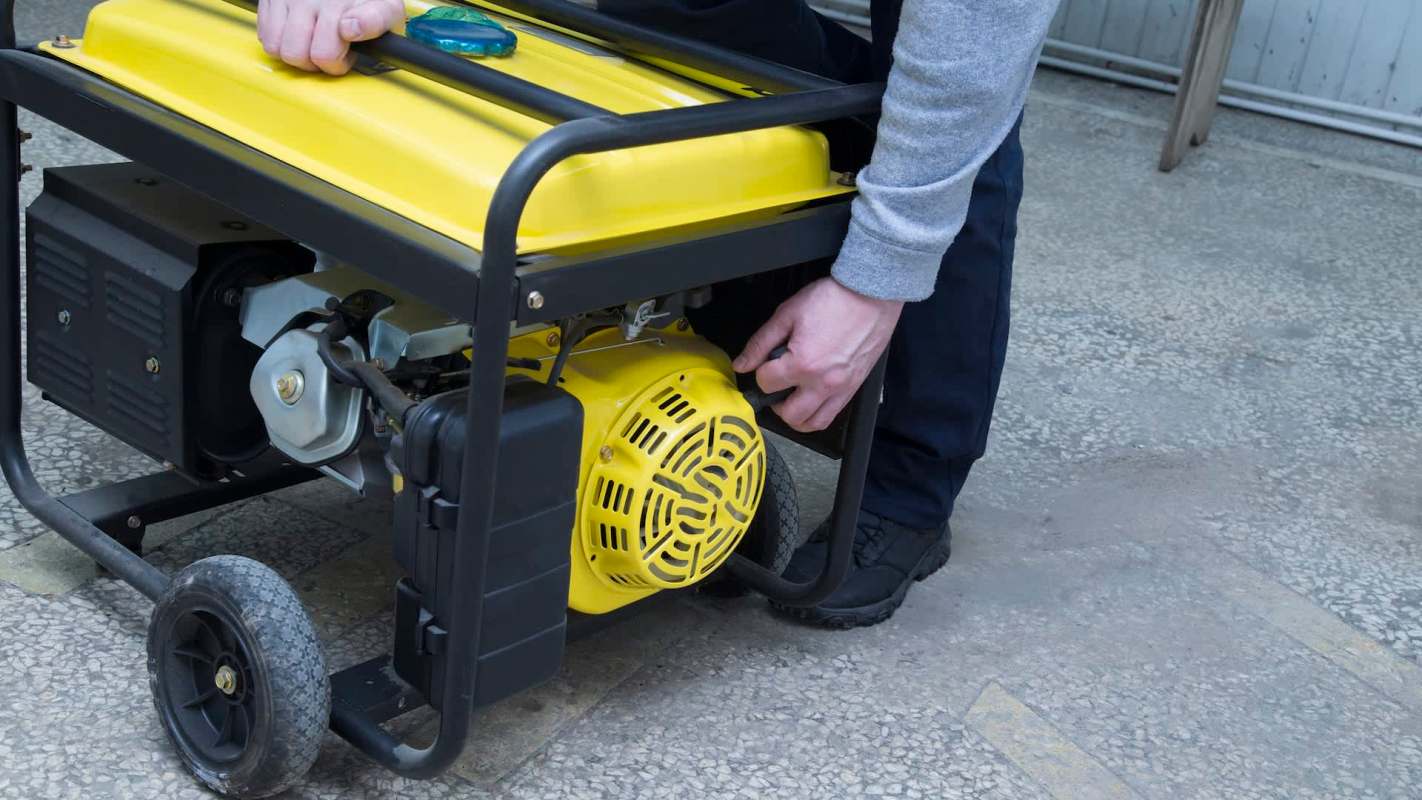
During the recovery, local officials stressed that backup generators can help households during an outage, but only if they are used safely, according to Hudson Valley Country.
What happened?
Around 7 p.m. on July 4, a severe thunderstorm crossed the Hudson Valley, bringing heavy rain, lightning, thunder, and strong winds that caused widespread damage throughout the region.
Dutchess County was among the areas hit hardest, with fallen trees and downed power lines reported across the area.
In the storm's wake, more than 37,000 people were left without power, per Hudson Valley Country.
In Hyde Park, the fire department said more than 1,100 residents went without power for up to three days.
TCD Picks » Quince Spotlight
💡These best-sellers from Quince deliver affordable, sustainable luxury for all




Understandably, many households turned to generators, prompting the Hyde Park Fire Department to proactively issue safety reminders for households relying on backup power.
The department also urged residents to protect household electronics during restoration efforts.
"We also ask that you unplug any electrical equipment to protect your equipment from electrical surges," the department cautioned.
Why does it matter?
While power outages are disruptive on their own, operating generators improperly can introduce far more serious risks.
Safety guidance cited by Hudson Valley Country indicated generators should be operated outdoors in a well-ventilated area at least five feet away from doors, windows, and vent openings.
Using a generator properly can help families keep essential items running during a blackout, while unplugging electronics can reduce the risk of surge damage when service returns.
Even without a formal cost estimate from officials, avoiding damage to a refrigerator control board, television, router, or other household electronics could spare homeowners significant repair or replacement costs.
On occasion, power surges during restoration can spark fires.
What can I do to stay safe during an extended power outage?
For households using generators during an outage, the Hyde Park Fire Department emphasized that one of the most important precautions is unit placement.
Generators should be stationed outdoors with air circulating around them and be positioned at least five feet from doors, windows, and vents, according to the department's guidance.
The department added that distance should be measured from the exhaust outlet to the building itself.
Officials also advised homeowners to install carbon monoxide alarms in accordance with the manufacturer's directions.
Working fire detectors are another key part of the safety checklist.
Unplugging electronics during an outage can help protect them from electrical surges when power is restored, potentially helping families avoid unnecessary damage and the cost of replacing devices.

Get TCD's free newsletters for easy tips, smart advice, and a chance to earn $5,000 toward home upgrades. To see more stories like this one, change your Google preferences here.






