


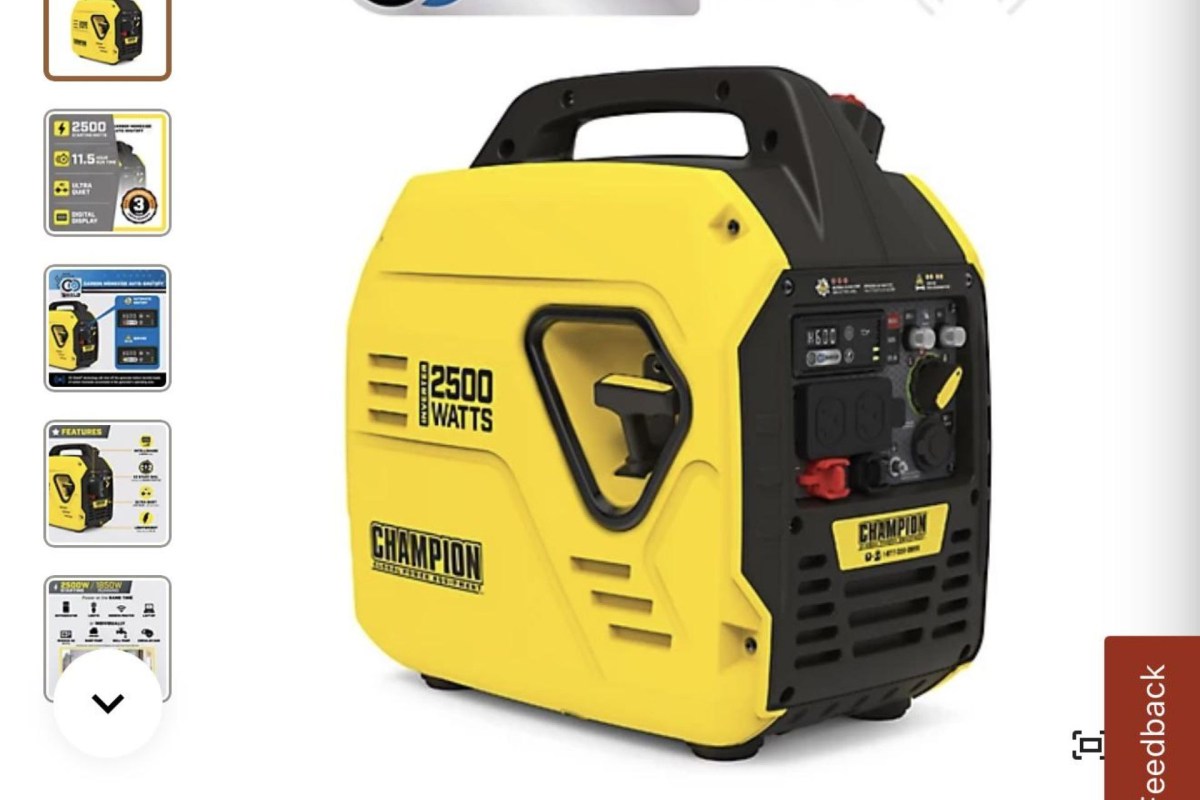
A new portable generator can feel like peace of mind before storm season — until the next question hits: Once the refrigerator is plugged in, what else can safely stay on without overloading the unit?
That's the practical problem one original poster raised in a Reddit discussion in r/Generator, explaining that the new purchase would be used for camping, tailgating, and especially outages caused by severe weather.
What's happening?
The post asks about how many appliances the Champion Power Equipment 2,500/1,850-Watt could power at the same time.
One comment mentioned that it "depends on the size of your refrigerator and what it draws."
Another user stated what they personally can simultaneously run on an 1800-watt generator: a "fridge, 2 Cpap devices, window unit 8kbtu, router, a light or two," and for "charging small devices."
Real-life planning starts with deciding which devices get priority. A refrigerator is often first on the list, but startup surges and fuel constraints help determine whether a few additional essentials can run alongside it.
In practice, that usually means preserving food, charging phones, keeping a few lights on, and possibly powering low-draw items such as a router or fan before moving on to anything more demanding.
Some appliances can draw well above their normal running load when they first turn on.
Save $10,000 on solar panels without even sharing your phone number Want to go solar but not sure who to trust? EnergySage has your back with free and transparent quotes from fully vetted providers that can help you save as much as $10k on installation. To get started, just answer a few questions about your home — no phone number required. Within a day or two, EnergySage will email you the best local options for your needs, and their expert advisers can help you compare quotes and pick a winner. |

As a result, while a generator may be able to handle a fridge plus a few basics, larger electric loads — such as space heaters, electric ovens, or central air — can quickly eat up available capacity.
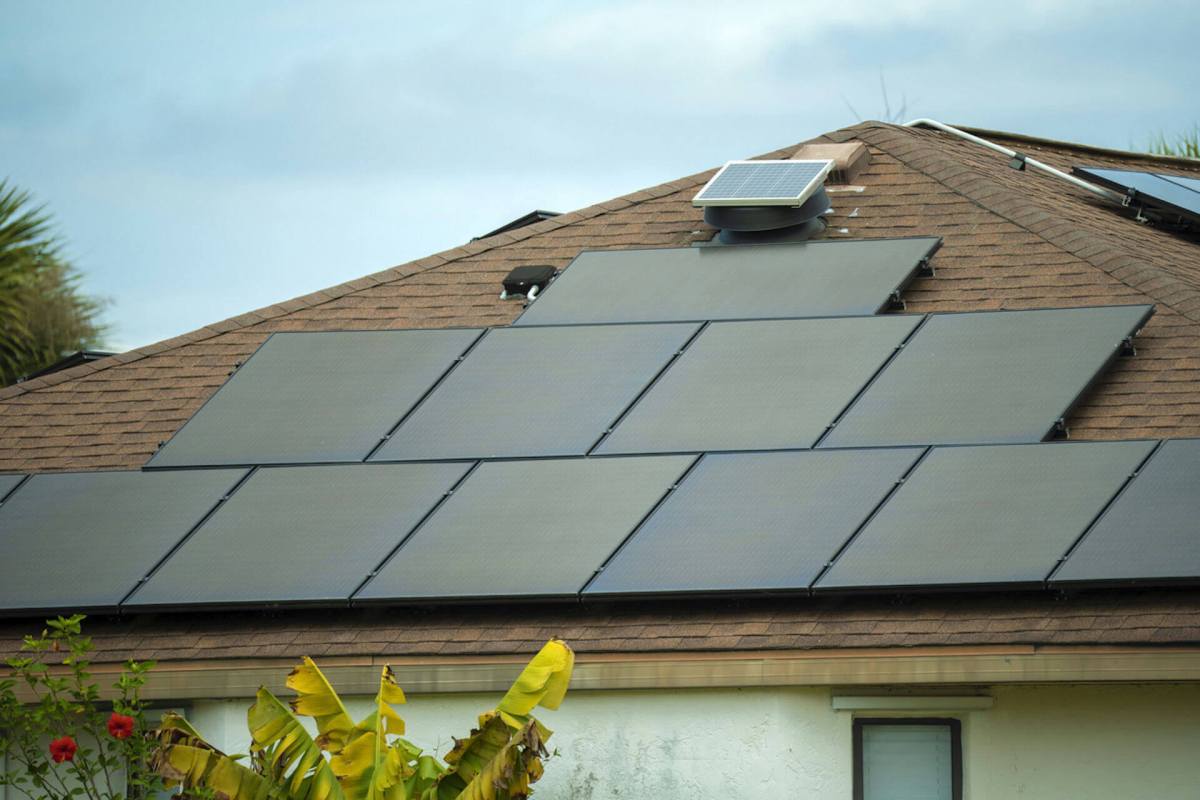
For homeowners thinking beyond a gas-powered backup plan, going solar is one of the best ways to save money on home energy over time. Free tools from EnergySage can help you get quick solar installation estimates, and comparing quotes through EnergySage can make it easier to see whether rooftop panels could lower your bills before the next outage.
Why does it matter?
For households dealing with storm-related outages, smart load management can mean real savings.
Ensuring a refrigerator stays cold can prevent spoiled groceries, while avoiding unnecessary appliances can stretch fuel supplies and reduce the cost of repeated refills during a multiday blackout.
More From EnergySage
💡Go deep on the latest news and trends shaping the residential solar landscape


It can also reduce wear and tear on the generator itself.
Running too close to the limit can trip breakers, shorten the life of the equipment, and leave a household without backup power when it is needed most.
There is also a meaningful difference between recreational use and emergency use.
At a tailgate or campsite, convenience may be the goal. During a storm, however, the focus shifts to food safety, communication, medical needs, and a few comfort items — not trying to power the whole house.
It's also important to consider safety factors — fire officials in Louisiana reminded residents to follow precautions when using portable generators during hurricane season to avoid risks like carbon monoxide poisoning or electric shock.
What can I do?
Make a written outage plan before the power goes down.
Check the generator's running and surge wattage, look up the wattage needs of your fridge and other must-haves, and figure out which items can run together and which should be used one at a time.
A transfer switch, watt meter, and safe outdoor placement can also make backup power easier and safer.
If you are comparing longer-term home energy options, EnergySage's solar map shows the average cost of a home solar panel system on a state-by-state level, along with details on solar panel incentives for each state. Together, those resources can help readers get the best price for rooftop solar panels and access available incentives.
EnergySage's free services can also be valuable for anyone weighing whether backup power should come from gasoline, solar, or both. With EnergySage's help, on solar purchases and installations, the average person can save up to $10,000, which makes comparison shopping especially worthwhile.
Adding battery storage to a solar setup is one way to protect your home during outages, save money on energy, and go off grid. Readers who want to learn more can explore free tools from EnergySage for information about home battery storage options, including competitive installation estimates.
Many readers will recognize the uncertainty behind the purchase. Multiple commenters expressed how it's important to keep track of how much electricity everything uses, with one Redditor even saying how they "built a spreadsheet with the expected wattage use of all of the items that I might want to run off of my small generator (2000W)." As the poster wrote: "What do you all do in a real life scenario?" — a question that sparked advice from multiple generator owners.

Get TCD's free newsletters for easy tips, smart advice, and a chance to earn $5,000 toward home upgrades. To see more stories like this one, change your Google preferences here.






