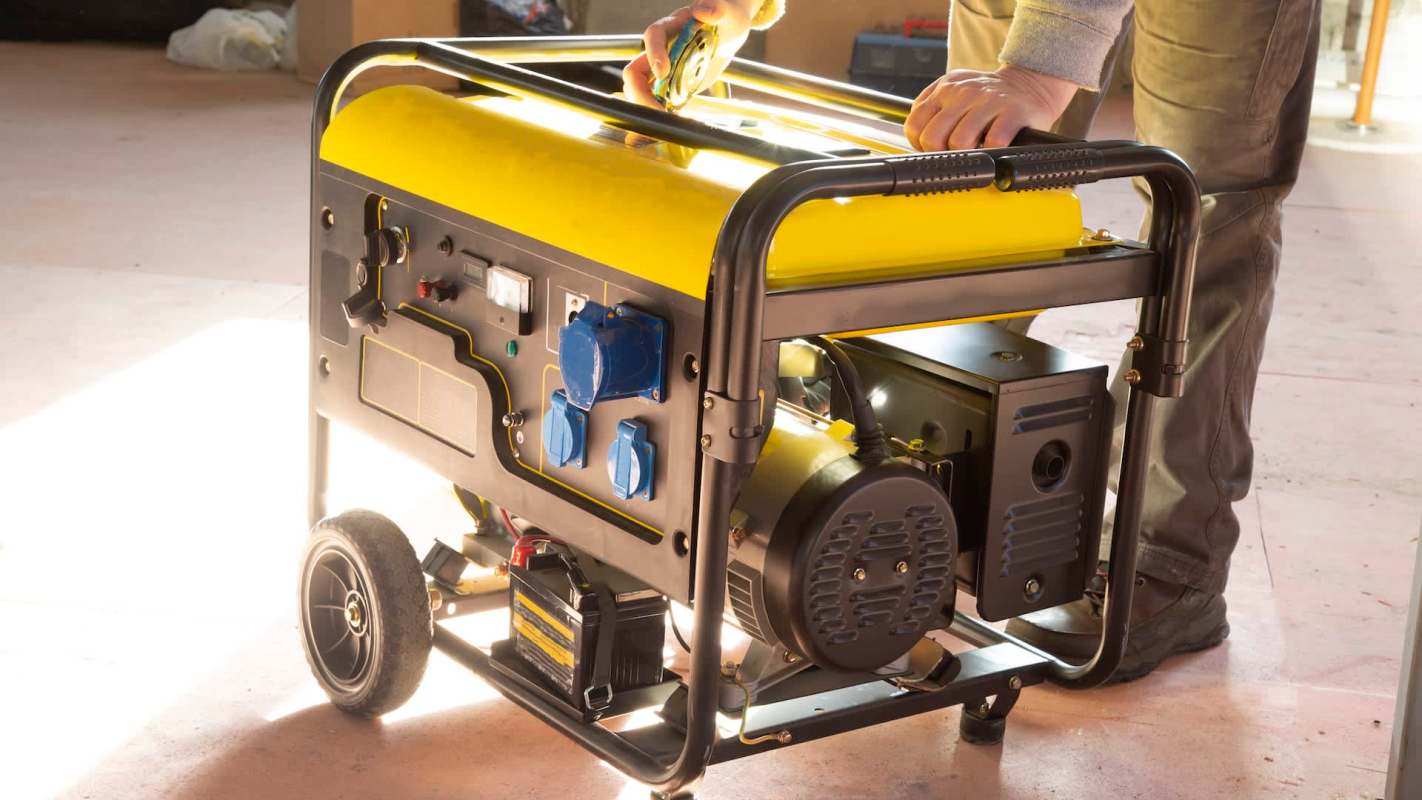
After severe storms left hundreds of thousands of Michigan customers without electricity over the July 4 weekend, the Detroit Free Press reported authorities began investigating two suspected generator-related carbon monoxide incidents in which three children died.
What happened?
During outages that last for days, many households use generators to preserve refrigerated food and keep basic power on. Wayne County saw two fatal emergencies during the blackout, the paper reported.
Police said a 16-year-old boy was found dead in a Melvindale home where a generator was operating in the basement, according to WXYZ. In Sumpter Township, first responders found two children, ages 8 and 12, in a garage where a generator was running during the outage, according to the Detroit Free Press.
Authorities said the deaths appear to be linked to carbon monoxide from generator exhaust. Children are especially vulnerable because they generally breathe faster than adults and their bodies take in more of the gas, the Mayo Clinic noted.
What are the dangers of generators?
During a blackout, a generator can keep essential household items running and help prevent refrigerated food from spoiling. When it is used safely, that can reduce both the financial hit and the disruption of a long power outage.
Operating a generator in a garage, basement, or other enclosed area can put everyone inside at serious risk. Over 400 people die each year due to carbon monoxide poisoning, according to the CDC.
TCD Picks » Quince Spotlight
💡These best-sellers from Quince deliver affordable, sustainable luxury for all




As these tragic events showed, gas generators are especially dangerous to children and young adults.
Unsafe generator use can also damage electronics, create fire hazards, and expose neighbors and utility workers to danger if people try to power their homes improperly.
What can I do?
The Detroit Free Press shared a list of best safety practices, courtesy of Consumer Reports.
The outlet advised that generators should be used outdoors, not in enclosed spaces, and set at least 20 feet from the house with exhaust directed away from windows and doors. It also should not be run in the rain unless it is protected by a well-ventilated generator tent.
If the generator needs refueling, it should be turned off and allowed to cool first. If an outage may last for an extended period, storing extra fuel properly ahead of time can also help.
Whenever a generator is running, use a working battery-operated carbon monoxide detector. People buying a new unit can also consider models with built-in carbon monoxide shutoff technology, but that feature does not make it safe to use a generator indoors or close to the home.
Before the next storm, Consumer Reports also recommended installing a transfer switch. A transfer switch can power hardwired appliances, cut down on extension-cord risks, and help prevent overload. Homeowners should never try to send generator power into home wiring through a wall outlet.
Another option is switching to battery power as backup, which can avoid the perils of gas generators.

Get TCD's free newsletters for easy tips, smart advice, and a chance to earn $5,000 toward home upgrades. To see more stories like this one, change your Google preferences here.