For plenty of households, emergency power still means a gasoline generator parked in the garage: equipment that can be deafening during a blackout, gulp down fuel, and sometimes fail to start after months of disuse.
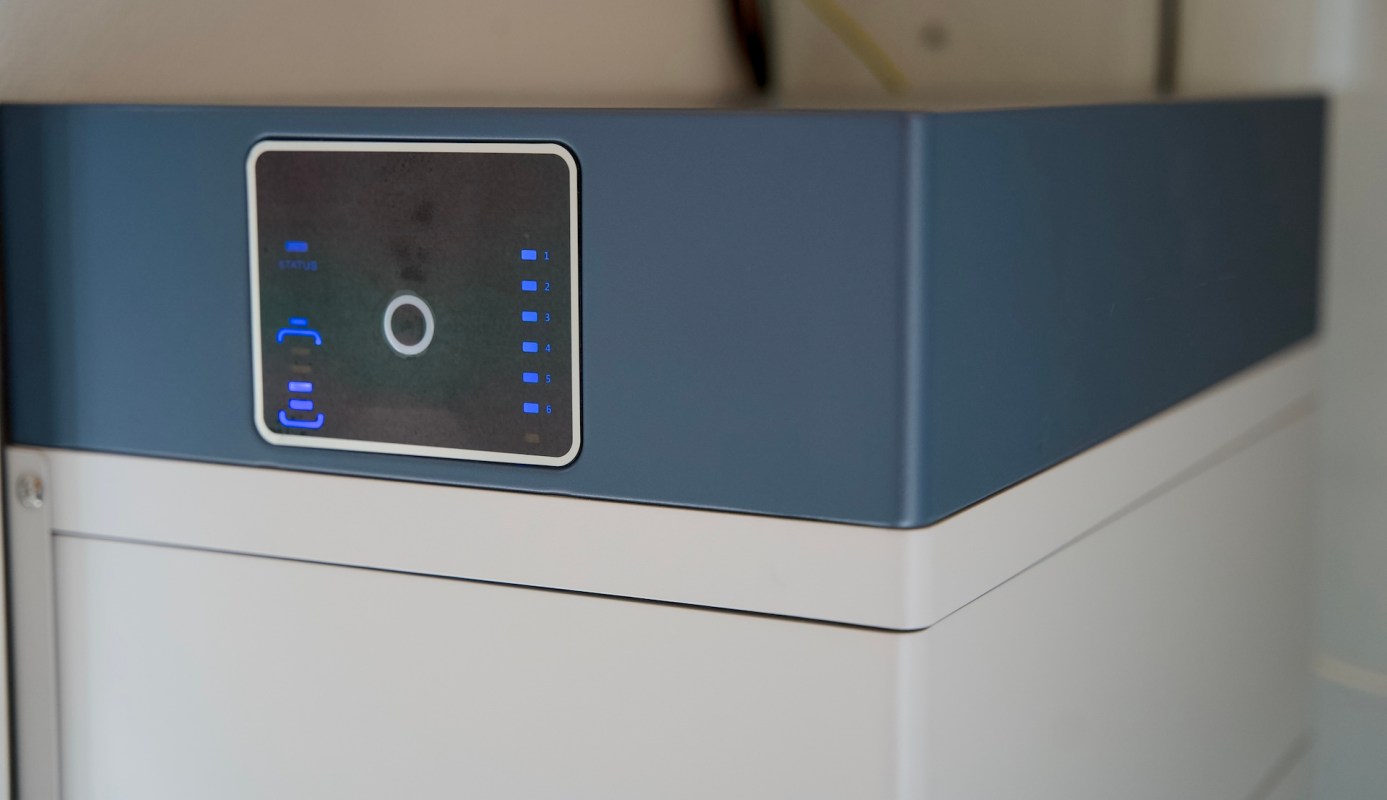
Problems like these are steering more homeowners toward battery backup systems, which tend to be quieter, simpler to operate, safer to keep around the house, and more affordable than they used to be.
What's happening?
A growing number of homeowners are rethinking how they prepare for outages, according to TechBullion, as falling battery prices and more frequent blackouts begin to change the equation.
TechBullion, citing U.S. Energy Information Administration data, reported that the average U.S. household saw around 5.5 outage hours in 2022, about twice the level from a decade earlier.
Portable generators still come with several familiar limitations: They depend on fuel that may be hard to secure during widespread outages, can pose major carbon monoxide dangers when used the wrong way, and often operate at roughly 75 to 90 decibels.
TechBullion reported that portable generators are tied to about 85 to 100 carbon monoxide deaths each year, along with hundreds of hospitalizations.
Adding battery storage is one of the best ways to protect your home during outages, save money on energy, and go off-grid when needed. If you're comparing options, EnergySage's free tools can help you explore home battery storage choices, including competitive installation estimates. EnergySage has teamed up with the electrification brand Qmerit to guarantee you get the best price on home battery storage solutions.
For shoppers who want a simpler and cheaper entry point, Pila is another company offering excellent battery backup options. Its plug-and-play batteries are priced at a fraction of what a whole-home backup system would cost.
Save $10,000 on solar panels without even sharing your phone number Want to go solar but not sure who to trust? EnergySage has your back with free and transparent quotes from fully vetted providers in your area. To get started, just answer a few questions about your home — no phone number required. Within a day or two, EnergySage will email you the best options for your needs, and their expert advisers can help you compare quotes and pick a winner. Solar panels can save you more than $50k over their 25-year lifespan, and EnergySage can help you save as much as $10k on installation. Which begs the question — isn't that worth an email or two? |

Why does it matter?
For many families, the appeal is straightforward: A backup battery can keep a refrigerator, lights, phones, Wi-Fi, and medical devices running without the need to store gasoline or hear a generator chugging all night.
Another benefit is how these systems can be recharged. Many batteries can be filled from the grid before a storm, and some can be paired with solar panels to help stretch power availability during an outage.
The upfront price can be high, but batteries spare homeowners the repeat costs associated with combustion engines, including fuel, oil, and maintenance.
What can I do?
Four key details to look at are watt-hours, continuous wattage, surge capacity, and battery chemistry.
LFP, or lithium iron phosphate, batteries are often especially appealing for home backup because they typically last longer and carry a lower thermal-runaway risk than older battery chemistries.
Many of these systems are rated for 3,000 to 6,000 cycles, which can translate to 10 to 15 years of use for households that need them only during occasional outages.
Portable power stations can offer a useful middle ground for renters or homeowners who do not want a permanent installation. Whole-home battery walls provide more capacity, while smaller portable units can keep essentials powered for a day or two and, in some cases, much longer when paired with solar input.

Get TCD's free newsletters for easy tips, smart advice, and a chance to earn $5,000 toward home upgrades. To see more stories like this one, change your Google preferences here.