


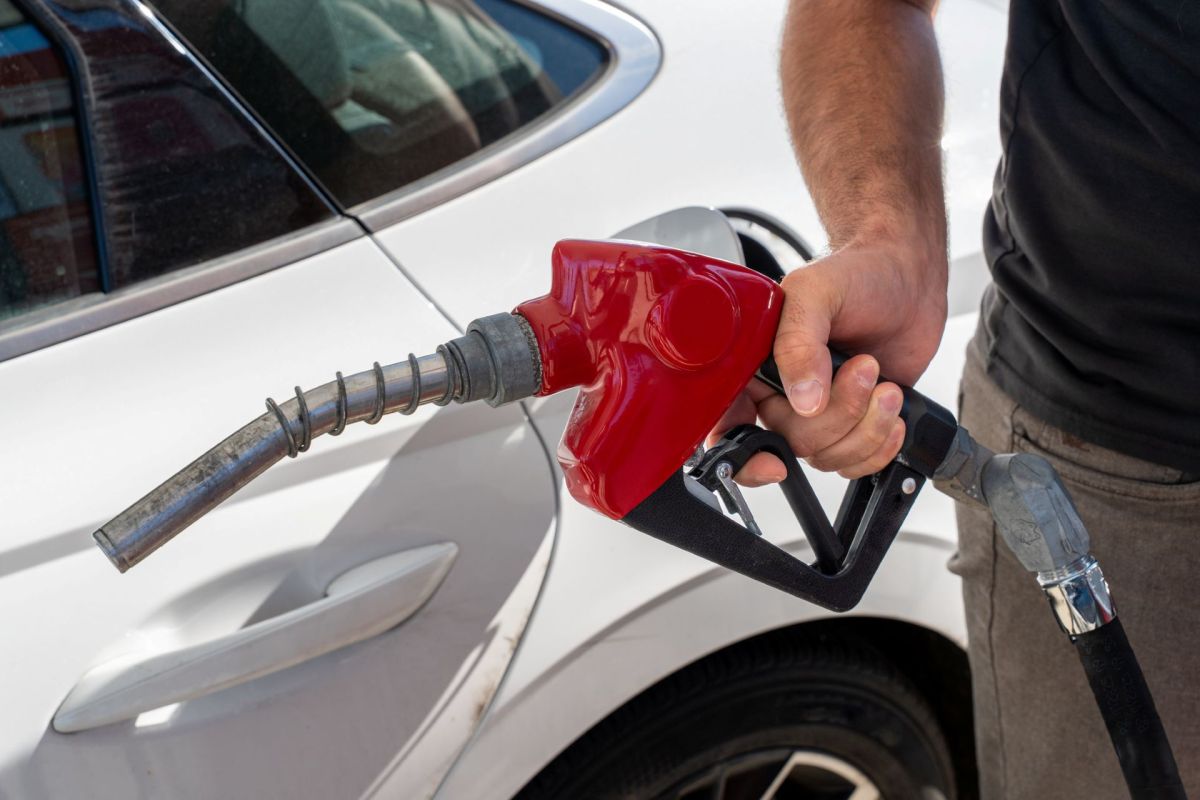
Southern California motorists are getting hit with higher pump prices again as the busiest part of the summer travel season arrives. According to MyNewsLA, the average cost of a gallon of self-serve regular gasoline in Los Angeles County moved above $5.59 on Wednesday, continuing a run of daily increases.
What's happening?
After eight consecutive increases, the Los Angeles County average reached $5.592 on Wednesday. Figures from AAA and the Oil Price Information Service show the latest change was a 2.7-cent increase, bringing the total rise over that stretch to 18.7 cents.
The climb extended beyond Los Angeles County. In Orange County, the average gained 3.2 cents to $5.539 for a ninth straight increase, while the national average rose 4.1 cents to $4.06, according to MyNewsLA.
Compared with a week ago, the average price in Los Angeles County is up 17.3 cents, and it now sits more than $1.10 above the level from a year earlier. Since Feb. 28, when the joint U.S./Israel attack on Iran began, the outlet noted the L.A. County average has climbed 89.8 cents, while the national average has increased by $1.078.
On Tuesday, GasBuddy head of petroleum analysis Patrick De Haan said on his X account (@GasBuddyGuy) that the annual high point for summer gasoline demand is arriving just as prices are rising.
"This weekend will represent peak yearly U.S. gasoline demand — (about) 375 million gallons per day before starting to decline into August," he wrote. "Unfortunately untimely with gas prices rising. Americans will spend ~$1 billion more on gasoline this weekend compared to the same a year ago."
TCD Picks » Quince Spotlight
💡These best-sellers from Quince deliver affordable, sustainable luxury for all




Why does it matter?
Even small increases at the pump can add up quickly in car-dependent regions such as Southern California. Higher fuel costs drive up commuting expenses and make summer road trips and everyday errands more expensive.
Oil shocks tied to conflict, production changes, and global speculation can ripple through local economies almost immediately, leaving drivers with little control over what they pay.
Beyond pump prices, coal and natural gas power plants contribute to air and water pollution linked to asthma, heart disease, cancer, and premature death.
They also keep energy costs high for households that remain dependent on these fuels instead of benefiting from more abundant energy sources such as sunlight and wind. Industry lobbying can also slow cleaner, cheaper energy solutions that could better protect families and lower costs.
What can I do?
Drivers can limit some of the financial hit by comparing station prices before filling up, combining errands into fewer trips, keeping tires properly inflated, and avoiding hard acceleration that burns extra fuel. Carpooling or taking public transit can also help cut costs.
Cleaner transportation options can offer more stability against gas price volatility. Hybrid vehicles, electric vehicles, e-bikes, and more walkable commuting routines can reduce dependence on gasoline altogether, though the best option will vary based on budget and local infrastructure.
At the policy level, faster investment in clean energy, charging networks, and public transit could give families more alternatives when oil markets spike. Expanding access to solar and wind power can also help households rely less on expensive fossil-fuel-based energy systems that are vulnerable to global disruptions.

Get TCD's free newsletters for easy tips, smart advice, and a chance to earn $5,000 toward home upgrades. To see more stories like this one, change your Google preferences here.






