


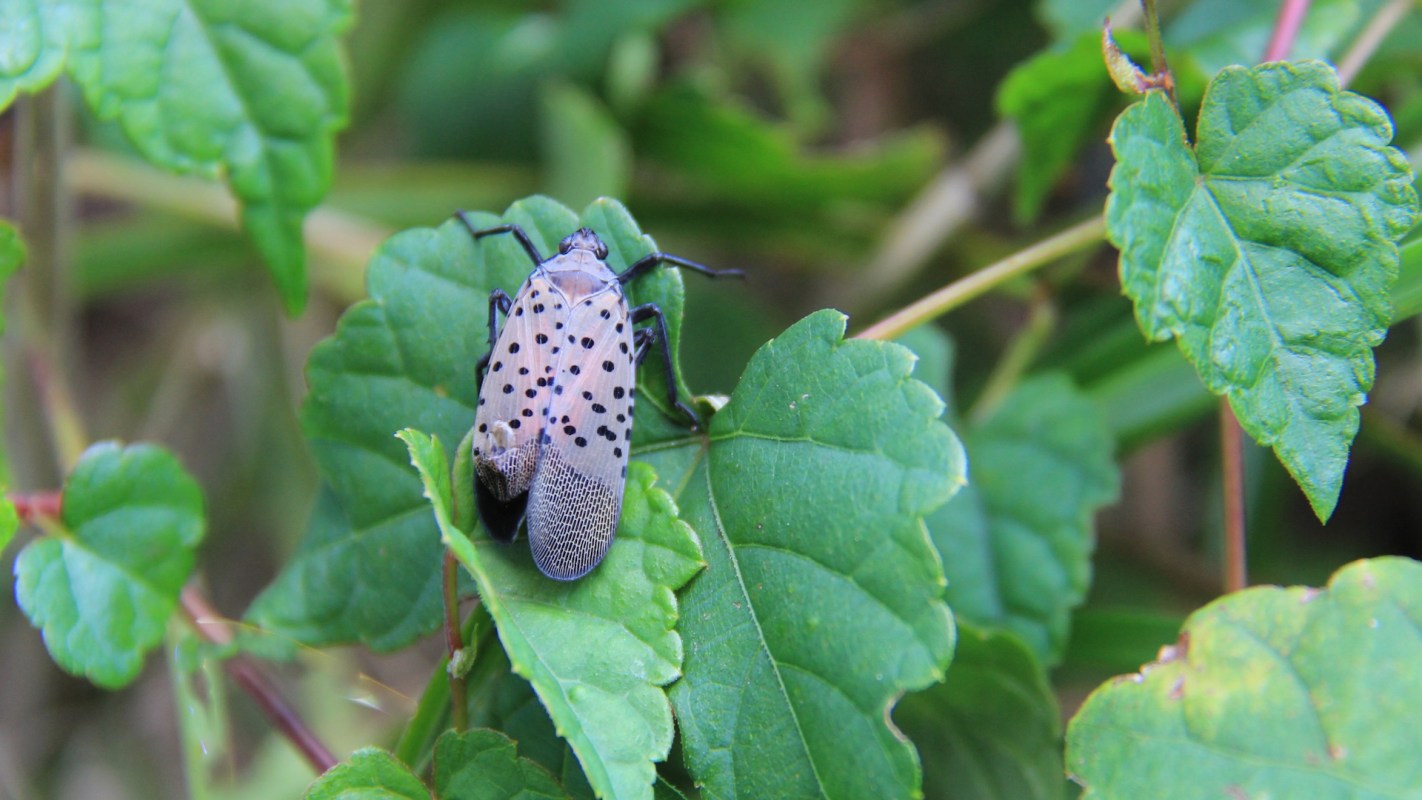
Long Island wine producers are bracing for the imminent arrival of adult spotted lanternflies, the latest phase in the spread of the invasive insect.
That could make this growing season tougher for vineyard operators who until now have largely escaped serious harm.
What's happening?
As the spotted lanternfly reaches adulthood, growers around Long Island are increasing surveillance in their vineyards, Newsday reports.
The insect, first detected in Pennsylvania in 2014 and later on Long Island around 2021, drains sap from grapevines, fruit trees, and many other plants. That feeding weakens the plants and leaves behind a sticky substance that can promote mold.
Brian Eshenaur, senior extension associate and invasive species coordinator at Cornell University's Integrated Pest Management Program, told the outlet, "The populations around the Long Island vineyards are still building up and they are able to manage them."
Still, he cautioned that "this year it will probably be more of a challenge than it was last year as the population of spotted lanternfly increases."
TCD Picks » Quince Spotlight
💡These best-sellers from Quince deliver affordable, sustainable luxury for all




The pest has now spread to 19 states and Washington, D.C. While it does not pose a danger to people or pets, it can be highly destructive to crops and remains a major concern in agricultural regions such as Long Island's wine country.
Why does it matter?
Vineyards and fruit growers help support jobs, tourism, and regional food systems, so a growing infestation could put added strain on an important part of Long Island's economy.
The insects feed on more than 70 types of plants and are especially difficult to control because they can hitch rides in cars, often hiding in wheel wells, bumpers, and doors. That mobility makes it easier for them to spread from one area to another.
Pressure from invasive species can damage crops, increase pesticide use, and force farms to spend more time and money on defense.
Even when harvests are not completely lost, growers may still face rising labor costs and greater uncertainty.
Jared Dyer, entomology specialist and educator at Cornell Cooperative Extension of Suffolk County, told Newsday that residents in eastern Suffolk may notice more lanternflies this year as populations become more established there.
What's being done?
Robin Epperson-McCarthy, consulting winemaker at Osprey's Dominion in Peconic and owner of Saltbird Cellars, said her team has set pheromone traps, though none had caught any lanternflies as of the report.
At Wölffer Estate Vineyard, vineyard manager Rich Pisacano said staff members have been trained to identify the insect at every stage of its life cycle.
Experts say pesticides can help when used carefully, and workers can also remove lanternflies with backpack vacuums. While New York famously urged residents to stomp the bugs, that strategy is not considered a solution on its own.
Another major focus is the tree of heaven, an invasive plant that lanternflies prefer for feeding and laying eggs. Some experts and growers believe removing those trees is an important step toward limiting breeding grounds near vineyards and orchards.
Newsday noted that the spotted lanternfly still lacks a confirmed U.S. predator, though some birds and insects have begun eating it, and USDA officials are evaluating a wasp from China as a possible control.
"No one's hoping that this would eradicate spotted lanternfly," Eshenaur said. "But at least it would bring the populations down."
Epperson-McCarthy offered a blunt assessment of the tree of heaven issue: "You're giving them an epicenter to breed."

Get TCD's free newsletters for easy tips, smart advice, and a chance to earn $5,000 toward home upgrades. To see more stories like this one, change your Google preferences here.






