


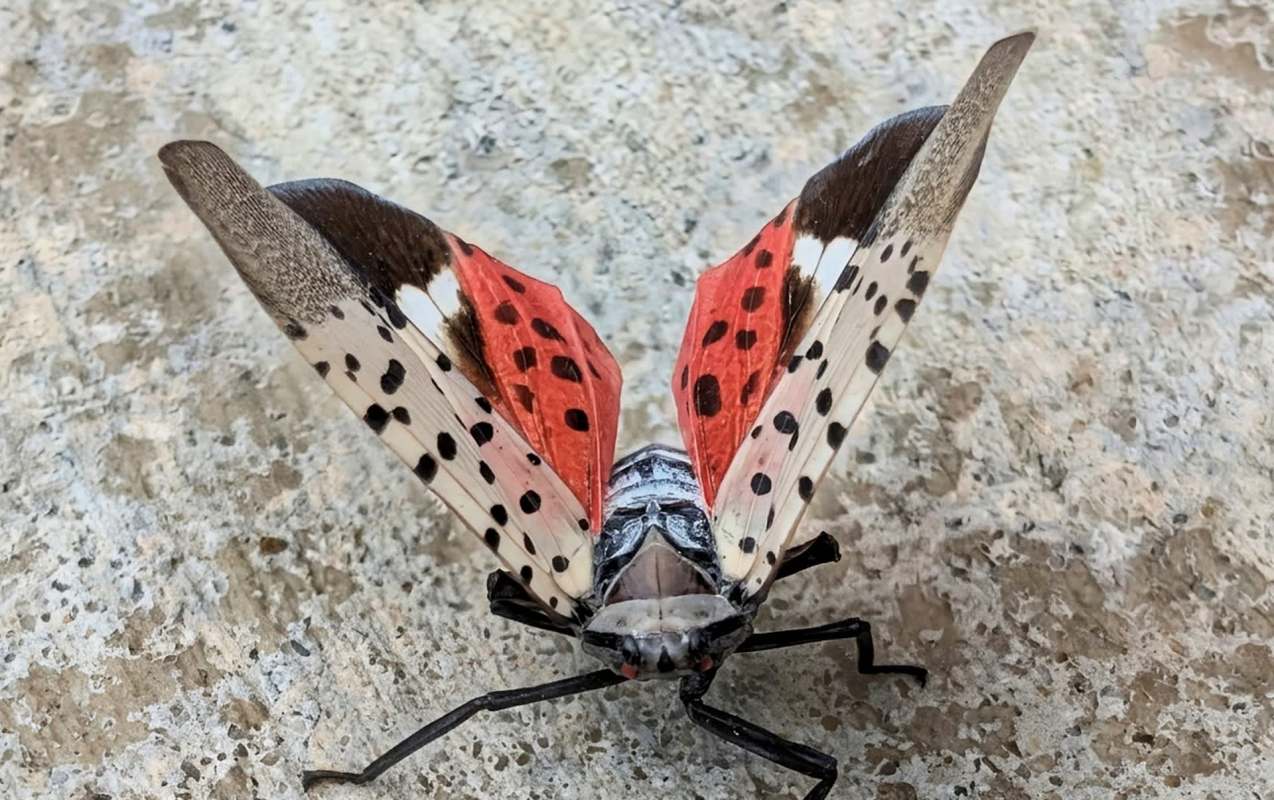
New York is rolling out a slate of free programs to help people recognize invasive species and act before ones like the spotted lanternfly spread even more widely.
What's happening?
In a news release, the New York State Department of Environmental Conservation said the state's 13th annual Invasive Species Awareness Week will take place from June 8 through June 14. There will be free events online and in communities around New York.
Planned activities include webinars, hands-on workshops, and guided hikes and paddles that will show New Yorkers what invasive species are and what steps to take when they find them.
These species can be plants, insects, animals, or pathogens. They often become invasive because humans took them out of their homes and introduced them to places without managing the land properly. They can now cause harm to the environment, agriculture, the economy, or public health.
Framing the week as a public call to action, DEC Commissioner Amanda Lefton said, "Invasive Species Awareness Week is an opportunity to engage and mobilize the public to protect local ecosystems, agricultural, and public health from the threats of invasive species."
State officials are also focusing on pests that endanger crops and backyard plants.
TCD Picks » Quince Spotlight
💡These best-sellers from Quince deliver affordable, sustainable luxury for all




Agriculture and Markets Commissioner Richard A. Ball said, "Combatting the spread of harmful invasive species like the box tree moth, Asian longhorned beetle, and spotted lanternfly is critical to protecting our agricultural industry."
Why does it matter?
The effects of invasive species can be severe. They may destroy crucial plants, weaken forests, and create expensive problems for farmers, homeowners, and local governments.
Officials said New York is especially vulnerable because it serves as a major center for international trade and travel. Once one of these species becomes established, it can move quickly through both landscapes and communities.
DEC highlighted risks to grapes, hops, strawberries, and peppers. Species like hydrilla, water chestnut, and northern snakehead can also create imbalance in aquatic ecosystems.
What's being done?
DEC's awareness week is a great start, and the state plans on doing more to create more balanced ecosystems. The Department of Agriculture and Markets is also pursuing control and eradication efforts targeting species that can severely damage crops, including European pepper moths and cherry fruit flies.
The state's 2026-27 budget also provides funding for that work. $425 million will go to the Environmental Protection Fund, and another $18.5 million will fund invasive species management.
The press release about the invasive species awareness week encouraged people to "spread the word, not the species."
It also advised residents to report infestations, use local firewood, and wash watercraft before and after boating trips.

Get TCD's free newsletters for easy tips, smart advice, and a chance to earn $5,000 toward home upgrades. To see more stories like this one, change your Google preferences here.







