


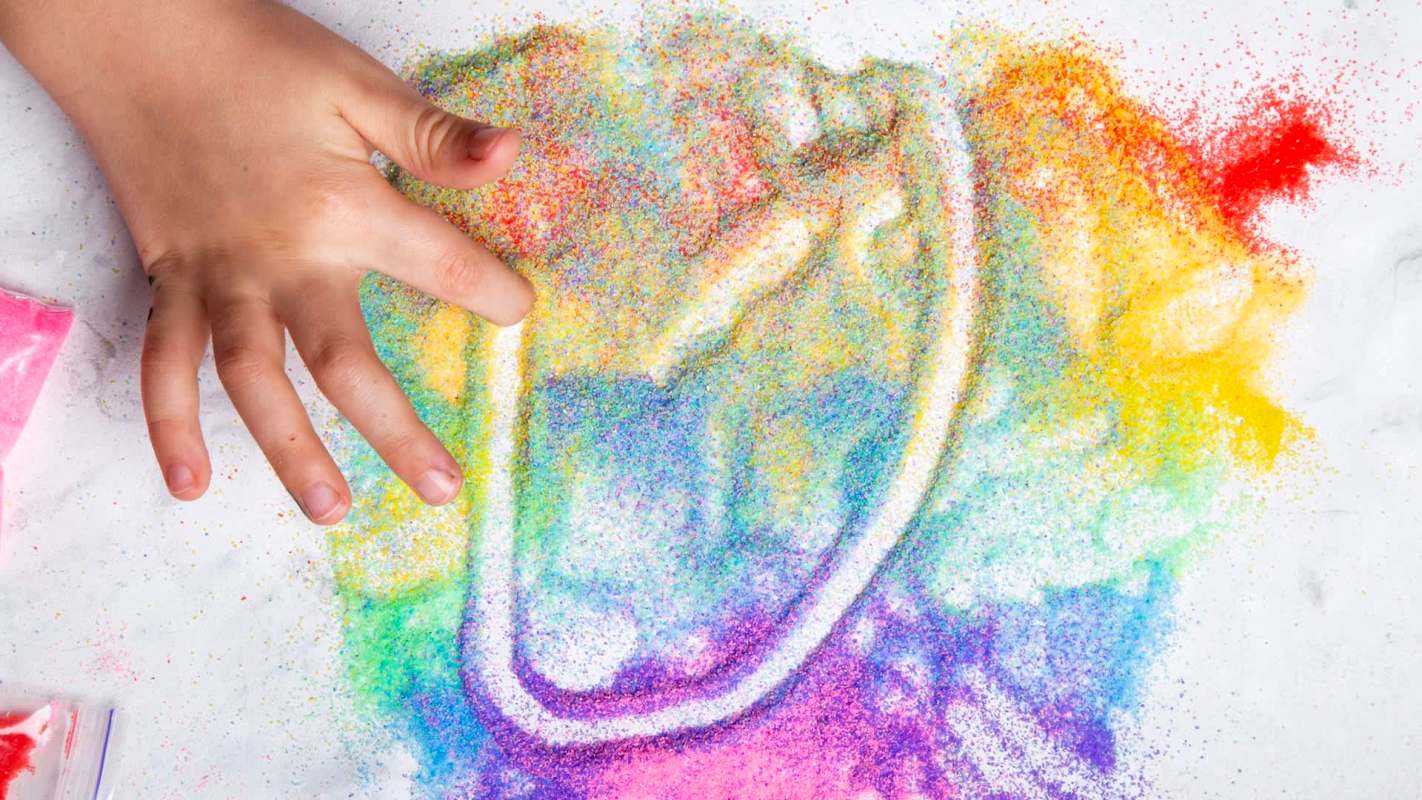
Parents and schools in Australia and New Zealand were told asbestos-contaminated play sand posed a low risk to children, but new testing suggests those assurances may have left out a key part of the danger.
Some official recall notices have since been changed after testing cited by The Guardian found that nine out of 10 craft sand samples released asbestos fibers into the air during ordinary play.
What happened?
Before recalls began in November 2025, tens of thousands of boxes of the children's sand had been purchased after more than five years on the market.
Moreover, the products had been used in hundreds of schools and childcare centers across Australia and New Zealand, according to The Guardian.
The wording repeated for months in Australian Competition and Consumer Commission recall notices came from a risk assessment commissioned by supplier Educational Colours, The Guardian reported.
Those notices said toxic asbestos fibers were not expected to become airborne unless the sand was "processed by mechanical means such as crushing or pulverising."
TCD Picks » Quince Spotlight
💡These best-sellers from Quince deliver affordable, sustainable luxury for all




That assessment did not involve fresh testing or even a visual check of the contaminated products. Instead, it was based on existing lab results and conversations with a company representative.
Later, Auckland University of Technology testing indicated that ordinary handling could release asbestos fibers, not simply the more forceful processing as previously claimed.
Inhaled asbestos fibers have long been linked to serious health effects, and The Guardian noted that Australia banned the material in 2003 with very limited circumstances exempted.
Why does it matter?
The Guardian indicated that versions of the "low risk" reassurance were echoed by schools, retailers, health officials, and government agencies.
As that wording spread, many parents were assured that the hazard was minimal even though uncertainty remained about what happened during everyday use.
After finding out their twins had played with sand that may have been contaminated, Christchurch parents Elle Chrisp and David Dingwall started pressing for answers.
"I'm not an expert here — but even to me reading it, it felt like this was not an appropriate document to rely on for the kinds of public messaging," Dingwall told The Guardian.
What's being done?
The ACCC said that after being contacted by The Guardian, Kmart and Officeworks had agreed "in the last 24 hours" to revise recall notices to remove the words "importantly, respirable asbestos has not been detected in any of the tested samples."
It also said it remains in contact with suppliers and continues to "actively engage" on recall wording.
The Guardian reported that New Zealand officials have also been pushing companies to change their safety messaging after the AUT findings; government product safety spokesperson Ian Caplin said his department had been "encouraging" suppliers to revise those statements.
A WorkSafe NZ spokesperson said any potentially affected sand products "must be managed, removed and disposed of as friable asbestos-containing material until proven otherwise."

Get TCD's free newsletters for easy tips, smart advice, and a chance to earn $5,000 toward home upgrades. To see more stories like this one, change your Google preferences here.






