


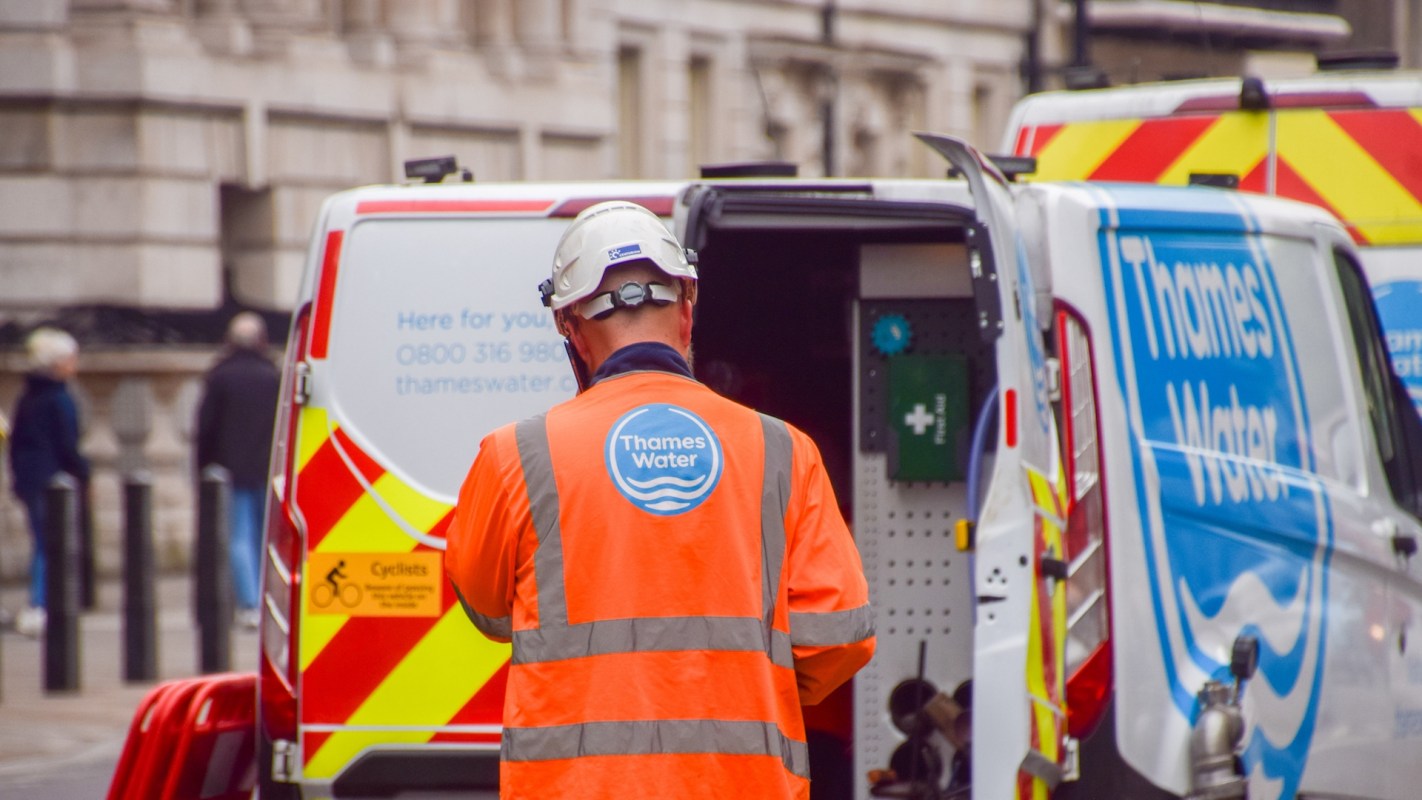
Thames Water has said it clears enough invasive quagga mussels from its pipes each year to equal four Olympic swimming pools, showing how quickly a non-native species can take over essential infrastructure.
Beyond the harm to wildlife, these infestations are becoming an increasingly expensive and disruptive problem for the water systems that serve communities across the United Kingdom.
What's happening?
According to Swindon Link, engineers sometimes encounter tunnels crammed with hundreds of thousands of quagga mussels. Thames Water said dealing with invasive non-native species now costs more than £6 million ($8 million) a year, with quagga mussels among the main reasons for that spending.
Their small size does not limit their ability to multiply: Quagga mussels are mollusks related to clams, oysters, and scallops, and a mature one can produce up to 1 million eggs in a single season. Thames Water warned that even one mussel can start a new population.
Thames Water said the species has been spreading more rapidly through U.K. waterways in recent years, and removing the worst buildups can require hydro-blasting and even diver teams. When the mussels latch onto surfaces in thick clusters, they can restrict water flow and raise the risk of service disruptions.
Meanwhile, burrowing by signal crayfish and Chinese mitten crabs can damage banks, cause silt to narrow pipes, and increase flood risk, and Thames Water has identified both species as major threats.
TCD Picks » Quince Spotlight
💡These best-sellers from Quince deliver affordable, sustainable luxury for all




Why does it matter?
When invasive species clog pipes, weaken banks, and damage water networks, the effects can reach households through higher operating costs, service interruptions, and greater strain on already stressed waterways.
Thames Water said invasive non-native species are among the major drivers of biodiversity loss, meaning they can displace native wildlife and disrupt the balance of rivers and canals.
Signal crayfish can dig roughly two meters (6.6 feet) into waterway banks, which Swindon Link reported can leave canals vulnerable to collapse. Chinese mitten crabs, recognizable by the furry tips on their claws, also threaten native species. Together, these invaders can worsen erosion, damage habitats, and raise flood risks for nearby neighborhoods.
What's being done?
Thames Water said it has committed funding over the next few years to expand monitoring and prevention efforts as part of a broader push to improve river health and build resilience across its network, according to Swindon Link.
The company said managing invasive species is closely linked to other environmental programs, including habitat connectivity and Biodiversity Net Gain strategies.
Thames Water is urging people to clean and dry boats, footwear, clothing, and equipment after use, following the government's "Check, Clean, Dry" guidance. It also advises people not to release garden, pond, or aquarium plants into the wild, not to release pets into the wild, and to report any sightings of special alert species.
Once invasive species become established, removal is costly and difficult, and the damage to ecosystems and infrastructure can last for years.
"Quagga mussels may be small but the impact they have on our network is anything but," said Alexandra Collington, Biosecurity & Invasive Non-Native Species Officer at Thames Water. "They pose a significant threat to native wildlife and biodiversity, affecting the health and balance of our ecosystems."

Get TCD's free newsletters for easy tips, smart advice, and a chance to earn $5,000 toward home upgrades. To see more stories like this one, change your Google preferences here.






