


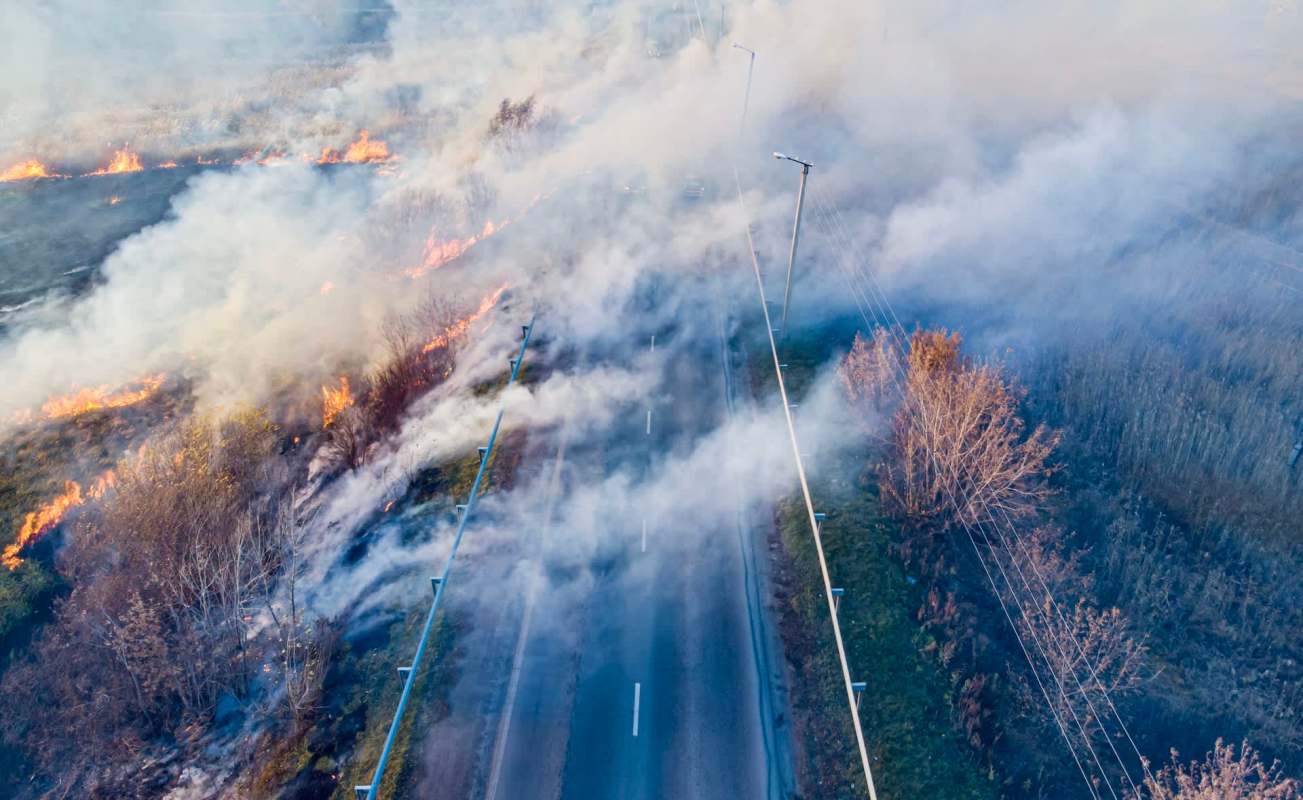
Minnesota's wildfire crisis is being felt well beyond the burn zones, according to the Minnesota Star Tribune.
With hazardous conditions continuing in the north and smoke drifting across the state, would-be Boundary Waters visitors will need to keep waiting to visit the area.
What's happening?
Because several wildfires are still burning in northeastern Minnesota, officials have been forced to continue canceling Boundary Waters Canoe Area Wilderness permits, the Star Tribune reported earlier this week.
Smoke from those fires also triggered an air quality alert that extends from northern Minnesota to the state's southern edge.
The fires have burned more than 70,000 acres.
The Star Tribune reported that after a July 6 thunderstorm produced more than 1,000 lightning strikes across the region, multiple fires ignited and have proved difficult for crews to contain.
TCD Picks » Quince Spotlight
💡These best-sellers from Quince deliver affordable, sustainable luxury for all




The Boundary Waters typically draw campers, paddlers, anglers, and outfitters during the peak summer season.
Why does it matter?
Tiny particles generated by wildfire smoke can travel long distances, as evidenced by air quality warnings issued far afield of the fires.
These conditions worsen asthma, irritate lungs, strain the heart, and make it harder for children, older adults, and outdoor workers to stay safe.
However, poor air quality and the effects of wildfire smoke pose risks to all individuals exposed to it.
Lightning-driven fires, prolonged smoke exposure, and access closures threaten public health, disrupt local economies, and drive up emergency costs.
The statewide spread of smoke means the consequences are no longer limited to remote forest areas.
What's being done?
Officials are reducing risk by keeping visitors out of hazardous wilderness areas and warning residents about unhealthy air conditions.
Extending permit cancellations helps keep travelers from entering places where fire activity, smoke, and shifting conditions could put them in danger.
Fire crews are continuing their containment efforts, though lightning-sparked wildfires in rugged terrain can be difficult to bring under control quickly.
The persistence of the closures suggests authorities still do not see conditions as stable enough for regular recreation to resume.
Checking local air quality updates, limiting strenuous outdoor activity, using air purifiers if available, and wearing a well-fitted respirator mask outside can lower health risks amid smoky outdoor air conditions.
Boundary Waters travel plans remain subject to official permit and forest updates as conditions shift quickly.
Thousands of acres are still burning, smoke continues to linger statewide, and officials have signaled that caution remains necessary in the wilderness and beyond.

Get TCD's free newsletters for easy tips, smart advice, and a chance to earn $5,000 toward home upgrades. To see more stories like this one, change your Google preferences here.







