


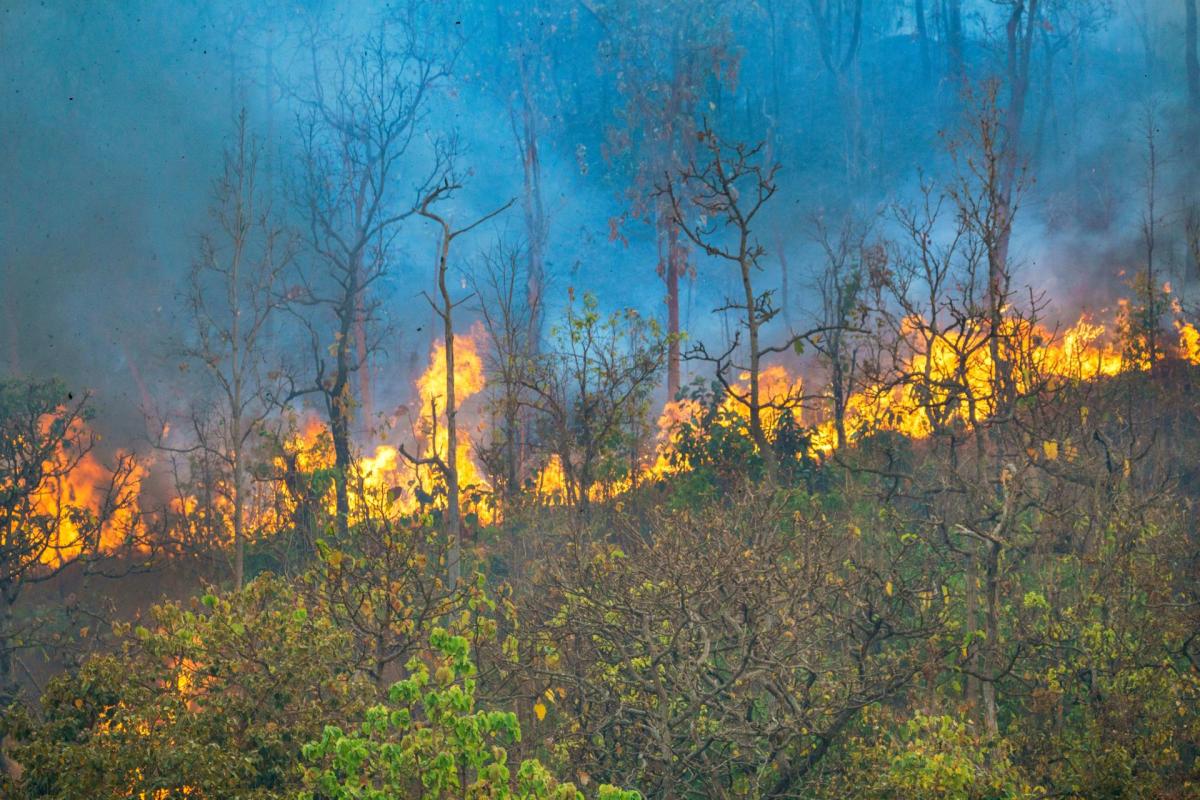
As wildfires spread across northern Minnesota, authorities have declared a local emergency, moved visitors out of threatened areas, and told residents to stay inside because smoke has pushed air quality into hazardous levels.
What happened?
After 17 fires were reported in Superior National Forest — including three in the Boundary Waters Canoe Area Wilderness — St. Louis County in northeast Minnesota issued both a local emergency and a local disaster declaration, according to ABC News.
The U.S. Forest Service said the fires had scorched roughly 33,000 acres by Tuesday afternoon. Emergency crews have been moving visitors and nearby residents out of the area, including from parts of the Boundary Waters accessible only by canoe. Tom Hall, the agency administrator for Superior National Forest, said crews carried out 17 air rescues on Monday.
Officials said severe weather conditions played a major role in intensifying the situation. According to ABC News, Phil Manuel of the National Weather Service, who was serving as incident meteorologist, said, "Normal high temperatures here are in the upper 70s. Where have we been the last three days? Over 100 degrees in some cases. I saw some temperatures of 104."
Air quality warnings spread well beyond the fire zones as smoke drifted east. Minnesota's alert remains in effect until Friday morning. Michigan also issued an alert, and some parts of Minnesota reached the hazardous category, triggering advice to avoid all outdoor activity.
Why does it matter?
Wildfire smoke can irritate the lungs, worsen asthma, raise health risks for seniors and children, and make it dangerous for nearly anyone to spend time outside, even hundreds of miles from the fires.
TCD Picks » Quince Spotlight
💡These best-sellers from Quince deliver affordable, sustainable luxury for all




Officials also emphasized that while fire is a natural part of these forest ecosystems, the scale of this event is unusual.
"I've seen a lot of fire in my 25 years on this forest," Nick Petrack, who serves as fire staff officer for the Superior and Chippewa National Forests, said, according to ABC News. "This is probably the most and the largest number of fires that I have seen in July."
What's being done?
Emergency crews are continuing evacuations while local officials work to support displaced residents. St. Louis County said it established temporary evacuation points at a municipal center to help people from St. Louis and Lake Counties affected by the fires, with public health staff on-site to connect them with needed resources, ABC News reported.
Officials said they were waiting for federal first responders to arrive and assist with firefighting, as crews try to contain multiple blazes burning simultaneously in difficult terrain.
Minnesota Gov. Tim Walz said two groups of YMCA campers stranded near the Minnesota-Canada border had been rescued. Meanwhile, state officials are urging residents to stay indoors and avoid all outdoor activity in hazardous areas, especially if they are older, children, or living with respiratory conditions.
Even with rain in the forecast, officials cautioned that quick relief may not come easily given how large the fires have grown.
Manuel offered an even starker warning: "Odds are, these fires will be here until it snows."

Get TCD's free newsletters for easy tips, smart advice, and a chance to earn $5,000 toward home upgrades. To see more stories like this one, change your Google preferences here.







