


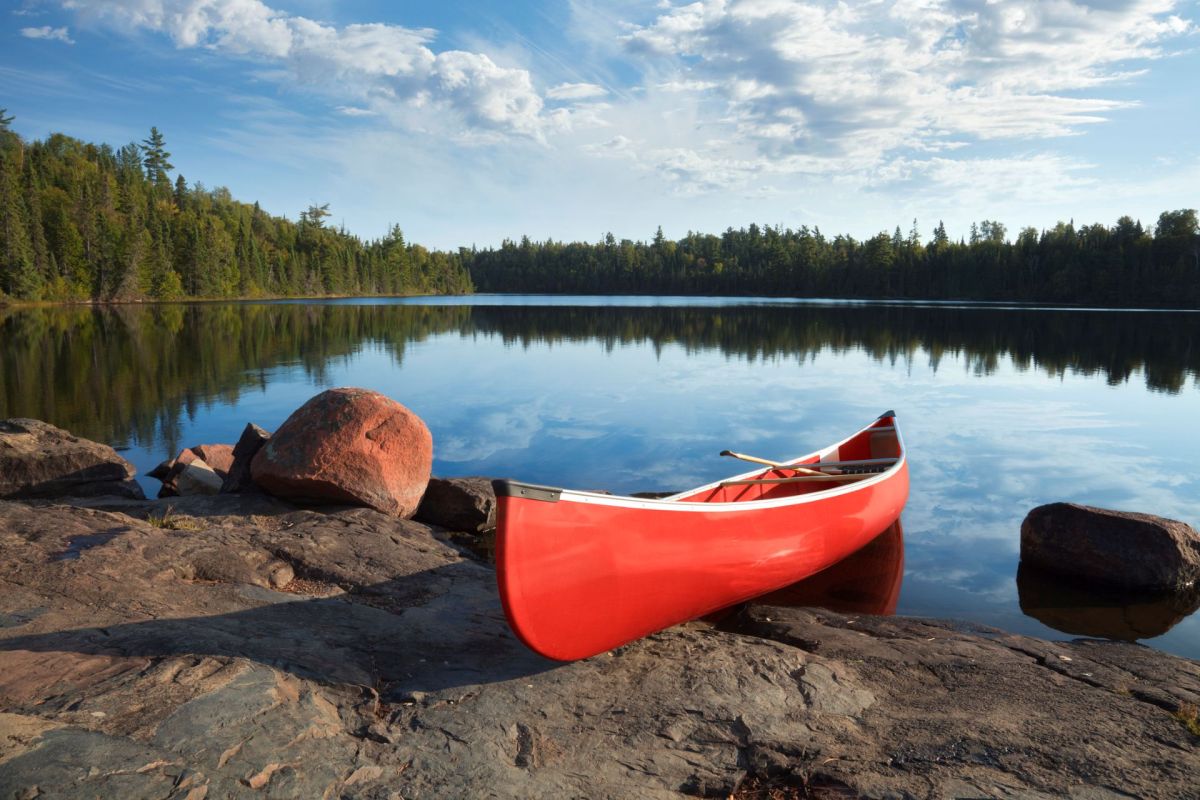
Supporters of Minnesota's Boundary Waters are warning that a major shift in federal policy could open the door to mining near one of the most protected and beloved landscapes in the United States.
They say the move threatens a wilderness known for its clean water, quiet recreation, and deep cultural importance to Native communities.
As advocacy group Save the Boundary Waters noted, Congress passed a resolution in April ending a 20-year mining ban covering 225,000 acres of federal land in the Superior National Forest.
The group says the decision could allow Twin Metals, a subsidiary of the Chilean mining company Antofagasta, to seek approval for an underground copper, nickel, and cobalt mine near Ely, Minnesota, near the Boundary Waters Canoe Area Wilderness watershed.
This wilderness is often described as America's most-visited federally designated wilderness area. It includes 1,100 lakes, sits within a broader 4.3 million-acre ecosystem, and is part of a region containing 20% of all freshwater in the National Forest System.
Through social media and its broader campaign, Save the Boundary Waters has argued that sulfide-ore copper mining near this interconnected lake system could permanently alter the region.
TCD Picks » Quince Spotlight
💡These best-sellers from Quince deliver affordable, sustainable luxury for all




The group says the area's waters are so clean that paddlers have long been able to drink directly from some lakes — and that the risk extends beyond scenery to water, wildlife, jobs, and public health.
Save the Boundary Waters calls sulfide-ore copper mining "America's most toxic industry" and says this type of mining creates waste that can form sulfuric acid and release heavy metals when exposed to air and water.
Because the Boundary Waters sits in a downstream-connected watershed, advocates warn that pollution would not stay in one place. They say the area's low-alkaline waters are especially vulnerable to acid mine drainage, which could affect lakes, rivers, groundwater, and fish habitat for generations.
The group says about 4,500 direct jobs and a $13.2 billion regional economy rely on a healthy, wilderness-based outdoor recreation system.
More than 350 businesses have joined the Boundary Waters Business Coalition in support of permanent protection, according to the campaign.
The ecosystem is also a refuge for species, including gray wolves, Canada lynx, moose, and hundreds of bird species. Advocates argue that industrial development here would weaken a landscape that also plays an important role in carbon storage and climate resilience.
Save the Boundary Waters, led by Northeastern Minnesotans for Wilderness, said it is pursuing a multi-pronged strategy that includes litigation, political advocacy, scientific research, public education, and coalition-building.
The campaign says supporters have sent 750,000 letters to decision-makers, held 5,000 meetings with elected officials, and built an alliance of more than 400 groups, including conservation organizations, businesses, and hunting and angling advocates.
Tribal nations are also central to the issue. The advocacy group says the Boundary Waters lies within the 1854 Treaty Area, where the Chippewa bands of Bois Forte, Fond du Lac, and Grand Portage retain treaty-protected hunting, fishing, and gathering rights.
Advocates say tribal voices and sovereignty must remain part of any decision about the region's future.
"Protecting this national treasure from risky sulfide ore copper mining is vital to the local communities and regional economies that depend on clean water, healthy forests, and a pristine Boundary Waters Wilderness," said Jason Zabokrtsky, owner of Ely Outfitting Company.
"It must be preserved," added Professor Tadd M. Johnson, Esq., member of the Bois Forte Band of Chippewa.

Get TCD's free newsletters for easy tips, smart advice, and a chance to earn $5,000 toward home upgrades. To see more stories like this one, change your Google preferences here.







