


A steady rain in downtown Wilkes-Barre didn't deter a handful of Pennsylvania residents and political candidates from calling for a pause on the region's fast-growing wave of data center proposals.
Standing under the roof of the Public Square amphitheater on Saturday, the group urged people to keep showing up at local meetings and pushing back on plans they believe could transform their towns, WVIA reported.
What happened?
HumansFirst included the Wilkes-Barre gathering in its national No Data Center Protests day July 18.
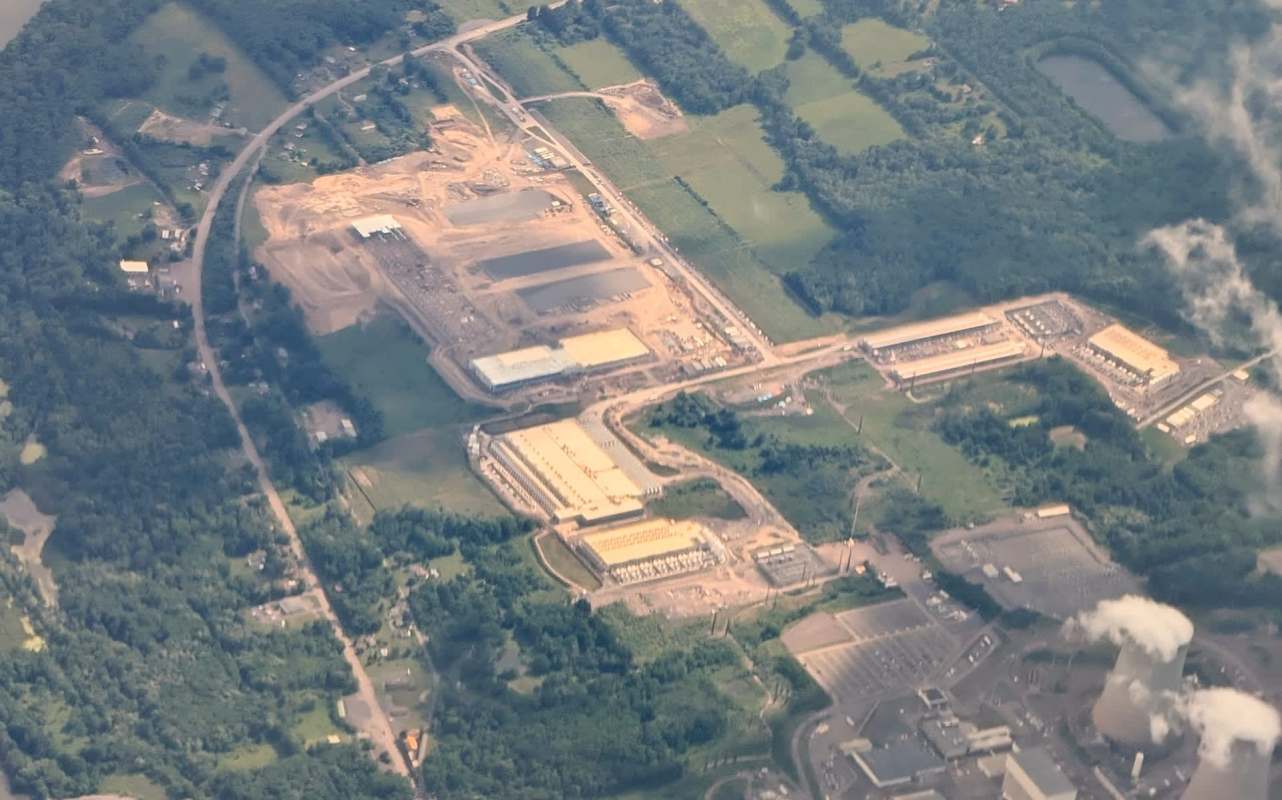
More than 20 major data center campuses have been proposed in Northeast and Northcentral Pennsylvania.
Organizer Annette Miraglia of Kingston said the fight reaches beyond the borders of any one municipality.
"We are the neighbors of all these places," Miraglia said, per WVIA. "We suffer downstream. We suffer upstream. We all breathe the same air. We all pay the same energy costs."
TCD Picks » Quince Spotlight
💡These best-sellers from Quince deliver affordable, sustainable luxury for all




Among the concerns raised at the protest were utility strain, heavy water use, air pollution, noise, and harm to wildlife.
Christine Fazzi, a Bear Creek Township resident, told the station that those issues are especially troubling for neighbors who rely on wells. She warned that the proposed development could become "a big problem with our water system and our air, and the sound and animals and everything else."
Several candidates for state office also attended, including Fern Leard, a Democratic candidate for the 120th House District; Jeremy Benscoter, a Democratic candidate for the 117th House District; Jackie Baker, a candidate for state Senate District 20; and Tony Dastra, the Pennsylvania Green Party's gubernatorial candidate.
Why does it matter?
People at the rally said the projects could leave lasting changes in rural and small-town areas while adding pressure to utilities that are already stretched.
Much of the nationwide data center expansion is tied to artificial intelligence. While AI can offer real benefits, including helping utilities balance the grid and speeding up scientific research, it also comes with plenty of drawbacks.
AI can require enormous amounts of electricity and water, potentially driving up energy bills, straining local resources, and raising separate concerns about security, misinformation, and other unintended consequences.
Several speakers said decisions involving those tradeoffs should be made openly, with communities able to weigh in.
"These folks are trying to divide us … in some way where one neighbor can't speak to another neighbor, one borough can't speak to a township," former Pennsylvania House Majority Leader Todd Eachus said, according to WVIA.
What's being done?
Residents throughout the region have been going to municipal meetings to gather information about the proposals and voice opposition.
State-level responses are beginning to emerge. Benscoter criticized what he described as a slow response from Harrisburg.
"It's been over a year that they've started to come into our area, and yet we're just now seeing legislation being introduced to protect communities," he declared, per WVIA.
His opponent, Republican state Rep. Jamie Walsh, has introduced a series of data center bills since May.
Candidates at the rally called for stronger protections that would give towns more authority to reject projects they believe do not fit local needs or fit into the area's long-term future.
"We are not here to make corporations comfortable," Leard explained, per the outlet. "We are here because we care deeply about our communities. This is our home. This is not a testing ground."

Get TCD's free newsletters for easy tips, smart advice, and a chance to earn $5,000 toward home upgrades. To see more stories like this one, change your Google preferences here.






