


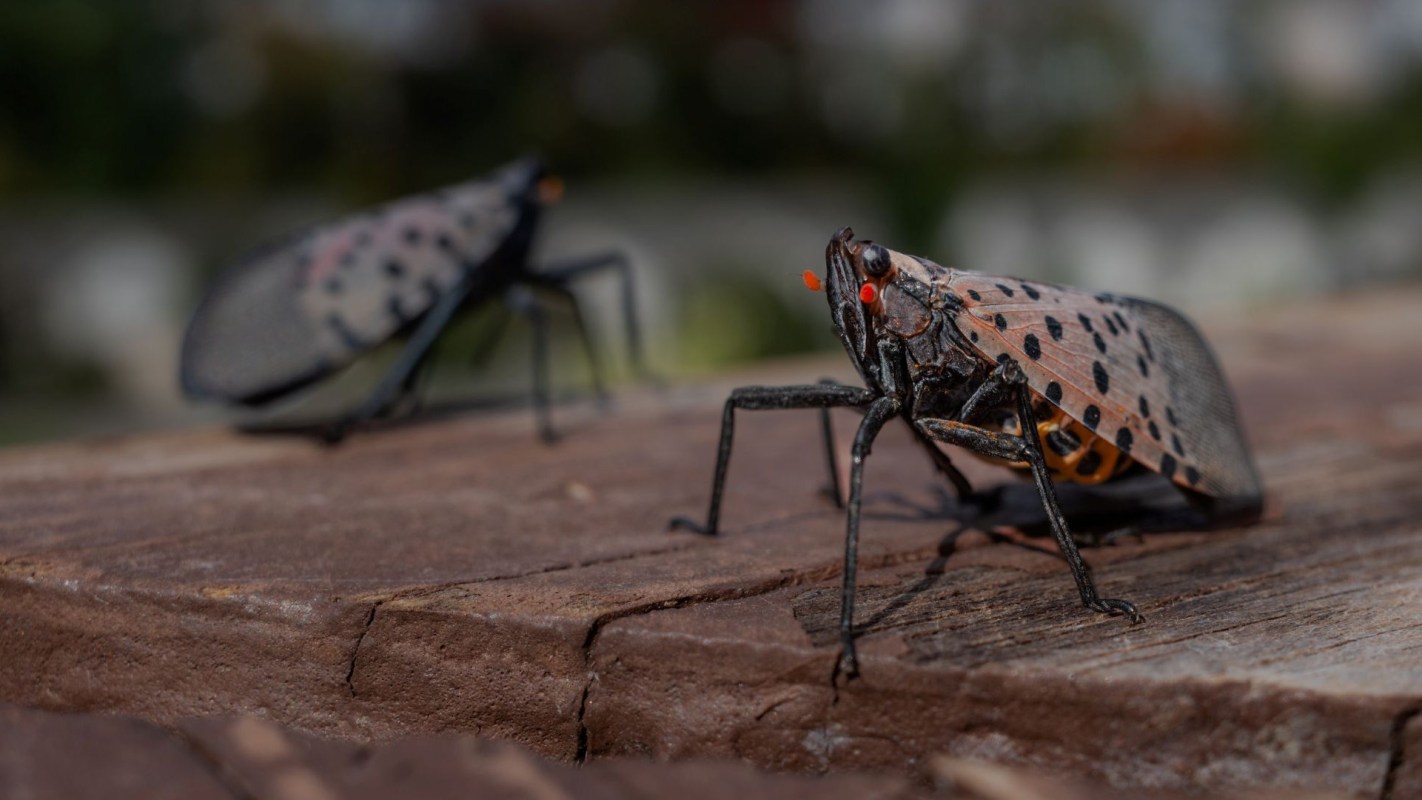
For several summers, New York's message about spotted lanternflies has been straightforward in imploring residents that if they see one, to kill it. But, as Vox reported, for many people, carrying out that advice has come with an unexpected aftereffect.
The resulting guilt is now part of the story surrounding one of the Northeast's most recognizable invasive insects.
What's happening?
Vox's Sally Helm described spotting a lanternfly climbing a tree in Brooklyn and instantly recalling what the public had been told to do. As she noted, the push to squash the invaders intensified after the insect was detected in Pennsylvania in 2014.
Before that, the species had shown how damaging it could be by spreading from its native range in China, India, and Southeast Asia into South Korea around 2004. Pennsylvania responded with aggressive management, and in 2020 the state's agriculture department urged residents to "squish their guts out any time you see them," according to Vox.
Still, the effort was never expected to wipe out the insects. Residents stomping individual bugs may have helped slow the spread, but scientists' worst fears of widespread damage to trees and crops have not materialized.
The biggest concern now appears to be grapes, Helm noted. To sort through the unease, she spoke with environmental scientist Chelsea Batavia about consequentialism, deontology, and virtue ethics.
TCD Picks » Quince Spotlight
💡These best-sellers from Quince deliver affordable, sustainable luxury for all




Batavia noted that even when someone concludes killing an invasive species is justified, there can still be "moral residue."
Why does it matter?
The lanternfly debate reflects a deeply human environmental problem. Invasive species do not typically appear in new places on their own, especially at this scale. Instead, they spread through global trade, transport, and other human activity. That means ordinary people are often asked to deal with ecological fallout they did not create.
Public guidance can outlast the facts on the ground. Many people still think lanternflies are a blanket threat to forests and backyard trees, whereas the more serious economic risk now seems concentrated in vineyards and related agriculture.
The result is a moral gray area. Killing a bug may feel cruel, but doing nothing can also feel irresponsible if local ecosystems or crops are at risk.
The tension reflects how climate and biodiversity issues often reach people not as abstract policy questions but as uncomfortable decisions made on a sidewalk or in a backyard.
What can I do?
If lanternflies are active in your area, the most practical step is to follow current guidance rather than relying on old social media advice.
It also helps to learn accurate identification. Not every spotted bug is a lanternfly, and misidentifying insects can harm native species that are not causing ecological problems.
People can also focus on the human pathways that help invasive species move. Those habits will not solve a problem on their own, but they can reduce the chances of helping harmful species spread.
The situation can feel emotionally messy. As Helm said, it's OK to feel unease with taking life, and residents might not come to the same decisions on what to do.
Batavia, for instance, resisted killing the bugs, while Helm decided she would kill them, citing the impacts on vineyards.
"I'll have to live with the bad feeling that brings — the moral residue," Helm concluded.

Get TCD's free newsletters for easy tips, smart advice, and a chance to earn $5,000 toward home upgrades. To see more stories like this one, change your Google preferences here.






