


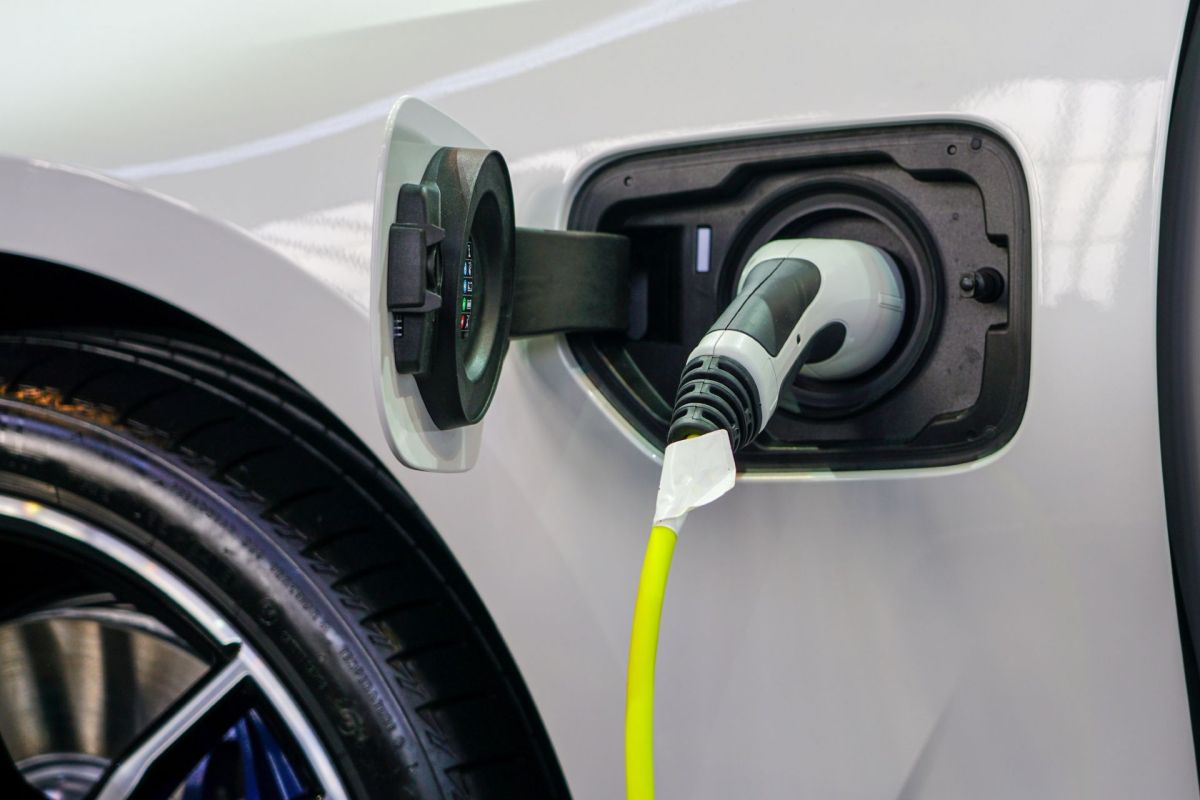
Battery longevity is looking less like a major weak spot for electric vehicles than many people once assumed. TechRadar reported that evidence shows new EV packs are holding on to most of their capacity and that full battery replacements are becoming increasingly uncommon.
What's happening?
Recurrent revealed the average EV still has roughly 95% of its original battery capacity after five years on the road.
A big part of that story is how sharply replacement rates have dropped. Recurrent's figures show that about 1 in 12 EVs built from 2011 to 2016 needed a new battery, while the share for models made in 2022 or later is just 0.3%, per TechRadar.
The report credited improved battery chemistry, stronger thermal management, and smarter vehicle software as key reasons for the gains.
TechRadar cited Geotab data that found batteries that regularly used high-speed DC fast charging were still at roughly 89.7% of original capacity after several years.
The Wall Street Journal also highlighted a U.K. dealer's five-year-old Tesla Model 3 that had reached 247,000 miles and reportedly was down only a few miles of range from its original rating.
TCD Picks » Quince Spotlight
💡These best-sellers from Quince deliver affordable, sustainable luxury for all




Why does it matter?
Battery health remains one of the biggest factors in an EV purchase. When batteries last a long time, owners can keep their vehicles on the road, worry less about major repair costs, and recover more value when it is time to sell.
Long-lasting batteries make EVs a practical alternative to gas cars, which continue to produce harmful tailpipe pollution.
Durable batteries also mean fewer replacements, reducing material demand and extending the useful life of mined resources built into each pack.
The findings could be especially significant for the used EV market. Many drivers are open to purchasing pre-owned electric vehicles, but uncertainty around battery condition can make that choice feel risky.
If real-world data continues to show slower than expected degradation, buyers may feel comfortable making the switch. That could lower transportation costs overall, especially as more used EVs become available.
What's being done?
One major next step is transparency. While new batteries appear to be performing well, TechRadar suggested buyers still need a simple way to understand a used EV's remaining capacity and expected range before making a purchase.
The outlet noted some dealers are already using independent battery health testing programs, including diagnostics schemes from Generational and Dekra in the United Kingdom. But many in the industry are calling for a standard.
TechRadar cited a 2025 Startline finance poll that found 90% of used car dealers believe the used EV market needs an industry-wide battery health testing standard, while 78% said battery condition is a key consideration for most buyers.
Used EV shoppers can look for battery health reports, warranty details, charging history, and current range rather than relying on model-year specs.
Overall, the latest data shows modern EV batteries are keeping their range better over time and needing replacement far less often than many people had expected.

Get TCD's free newsletters for easy tips, smart advice, and a chance to earn $5,000 toward home upgrades. To see more stories like this one, change your Google preferences here.






