


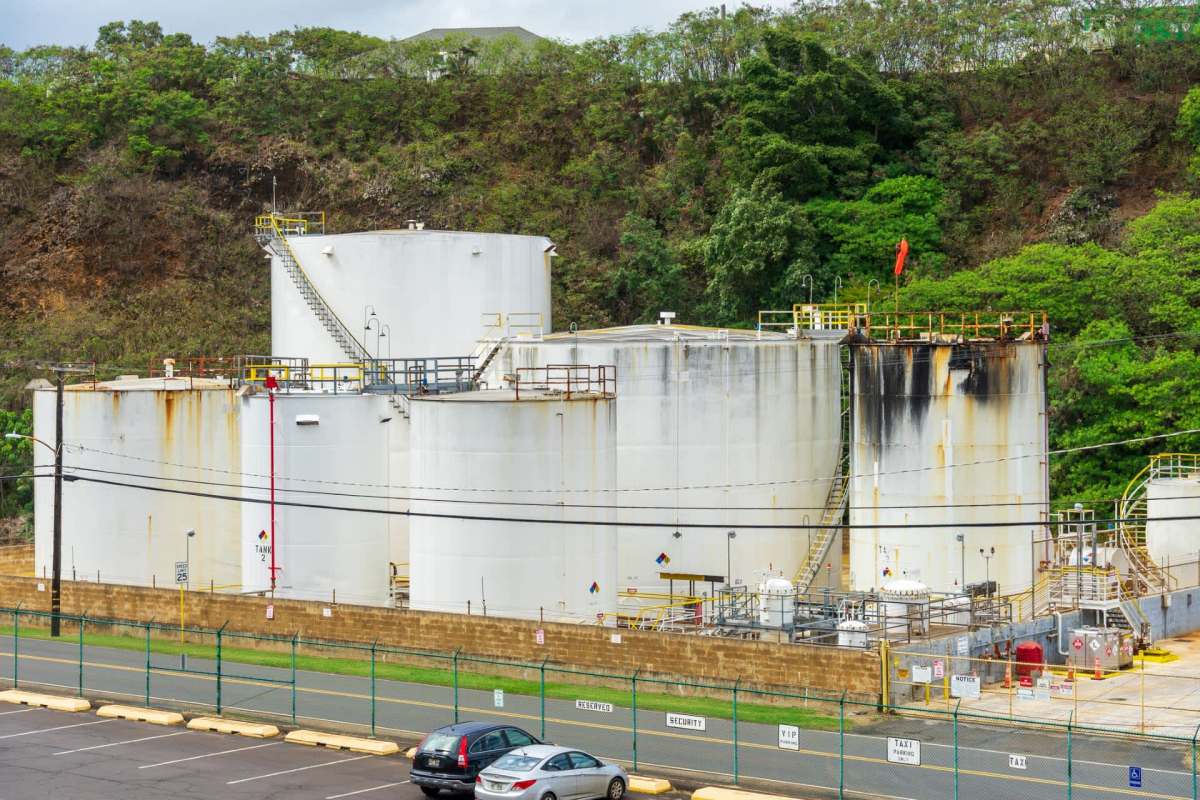
A Hawai'i utility decision is drawing intense online criticism after opponents argued it puts another fossil fuel project ahead of cleaner energy options they believe could be deployed now.
What happened?
Attention focused on a post in r/solar, where a user shared reporting by the Honolulu Civil Beat saying Hawaiian Electric and JERA were moving forward with a new gas plant instead of immediately building solar paired with battery storage.
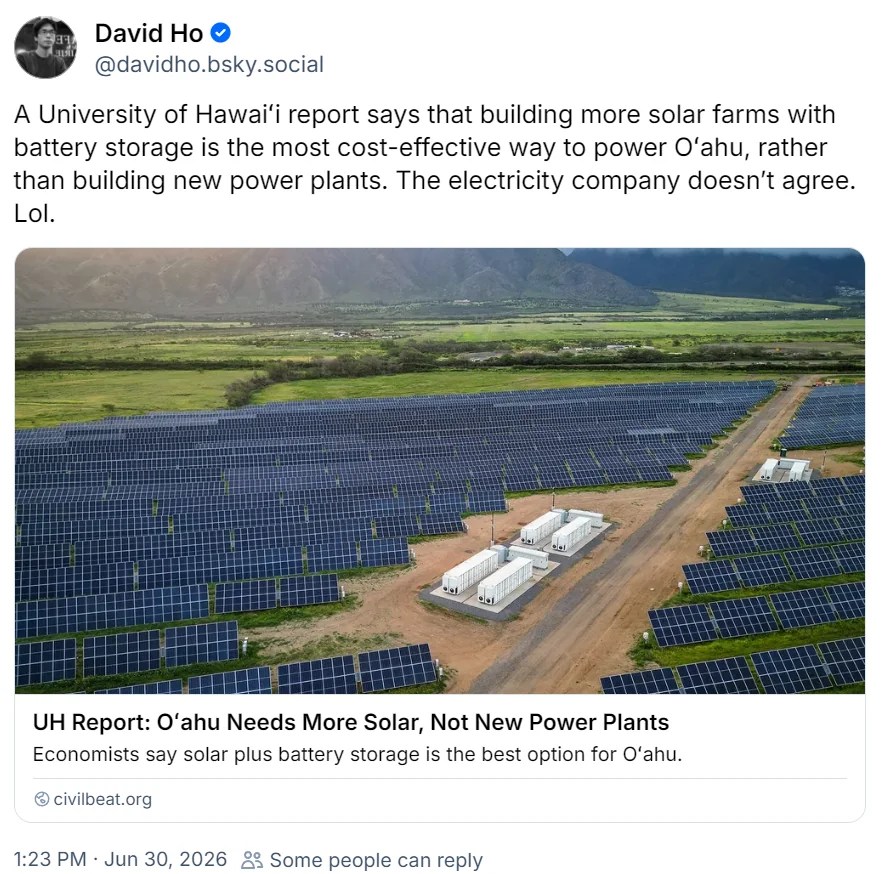
According to the Civil Beat, the disputed plan centers on a facility fueled by natural gas that would "[transition] to renewables in 2045" rather than prioritizing solar-plus-storage.
From there, commenters used the issue to criticize utility planning. Several argued that solar and battery storage are already cost-competitive enough to be treated as realistic options now, not sometime decades away.
Why does it matter?
Decisions like this can affect monthly electricity bills, local air pollution, and how long customers remain exposed to fuel-price volatility, which renewable energy can help reduce.
In Hawai'i, electricity costs have long been a major concern, and imported fuels can leave residents vulnerable to unstable energy markets. Building new gas infrastructure can also lock in spending on facilities designed to operate for years, even as cleaner technologies continue to improve.
TCD Picks » Quince Spotlight
💡These best-sellers from Quince deliver affordable, sustainable luxury for all




A major selling point of pairing batteries with solar is that power generated during the day can be saved for evening hours, when demand is still high. In the thread, critics portrayed the gas-plant move as a postponement wrapped in the language of long-term planning.
Similar arguments are emerging nationwide as communities question who benefits when utilities support large centralized projects, and who ends up paying when cleaner alternatives are pushed back.
What's being done?
Hawai'i still has strong incentives to keep expanding renewable power, and major gas decisions are likely to face growing scrutiny from residents, clean-energy advocates, and regulators.
Across the United States, utilities and policymakers are also weighing alternatives such as large-scale battery storage, rooftop solar, community solar, demand-response programs, and grid upgrades that can make it easier to rely less on polluting, non-renewable energy sources.

Get TCD's free newsletters for easy tips, smart advice, and a chance to earn $5,000 toward home upgrades. To see more stories like this one, change your Google preferences here.






