


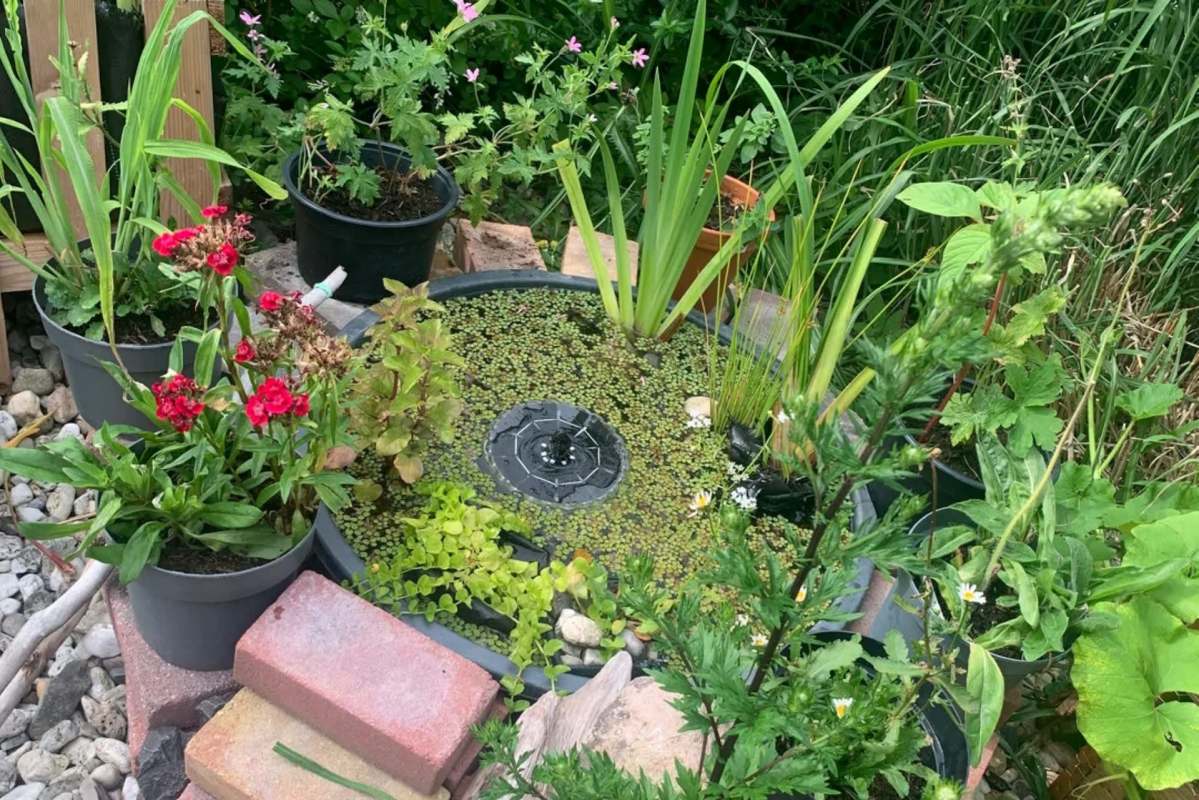
A gardener set up a backyard container pond to attract frogs, but it ended up drawing a different animal entirely.
That surprise led to a wider conversation in the r/gardening community about building wildlife-friendly spaces and how free-roaming cats can interfere with them.
What happened?
The discussion began in a thread on Reddit, where a gardener posted a photo of a newly made container pond.
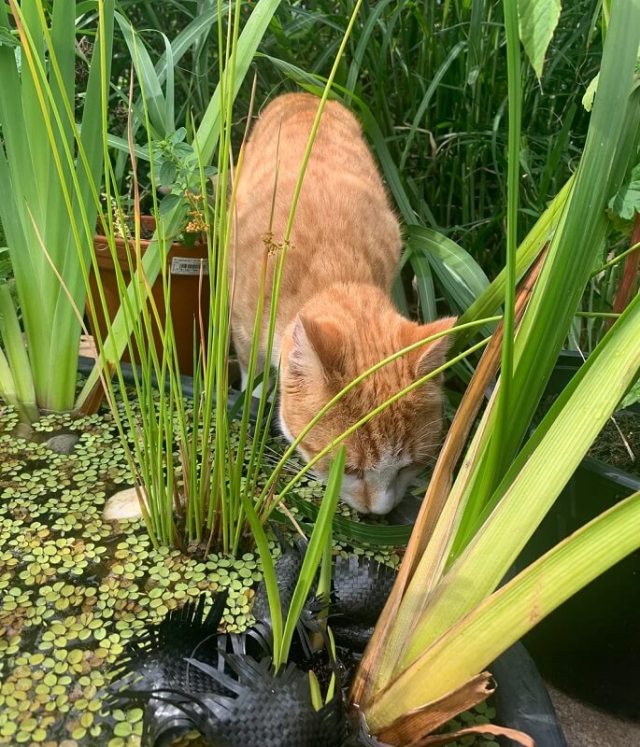
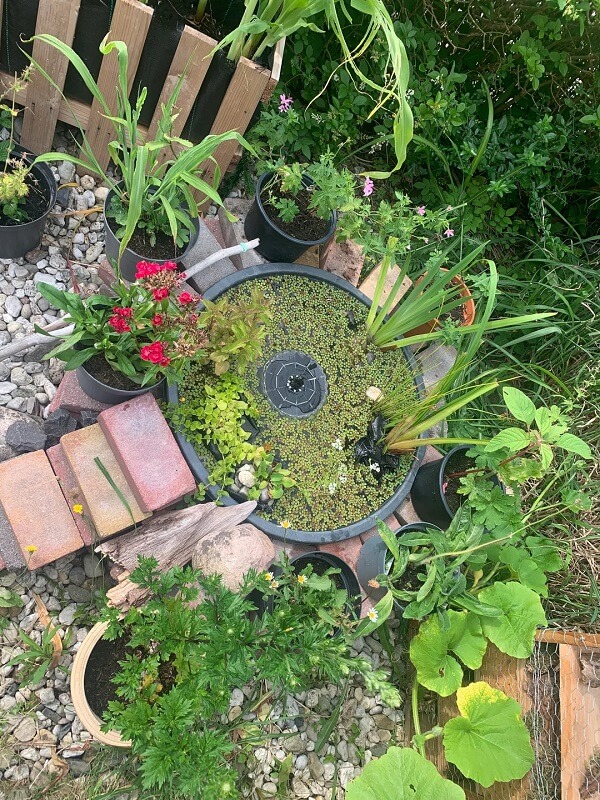
"My pond is attracting the neighbour's cat instead of frogs," the user wrote simply.
Along with offering frog- and toad-friendly pond advice, commenters debated the harm outdoor cats can cause, with one describing them as "invasive predators."
While even a modest water feature can attract insects, birds, and amphibians — especially in neighborhoods where habitat has been paved over or replaced with traditional turf grass — several commenters pointed out that adding habitat can only go so far when a predator is already patrolling the area.
TCD Picks » Quince Spotlight
💡These best-sellers from Quince deliver affordable, sustainable luxury for all




"Yeh, that cat will definitely keep frogs and any other small critters like rabbits away," one user wrote.
Why does it matter?
For many gardeners, a frog-friendly pond is about more than decoration. Frogs and toads eat insects, boost biodiversity, and can signal that a yard is healthy for local wildlife.
Wildlife groups and researchers identify free-roaming cats as a serious hazard for native birds, reptiles, and amphibians. In a compact backyard, one cat can turn a small habitat project into a risky place for the animals it attracts.
To support wildlife, a garden needs more than a water source. Frogs may come to a pond, but native plants, cover close at hand, and a lack of pressure from predators can determine whether the space functions as a real habitat or just a short stop.
Replacing even part of a conventional lawn with native plants can support pollinators and other animals while saving you money and time on mowing and trimming as well as lowering water bills.
What can I do?
For homeowners interested in building a container pond, commenters emphasized pairing the water with shelter. Shallow margins, rocks, thick vegetation, and other cover can help amphibians move safely in and out and give them places to avoid predators.
They also stressed the value of keeping cats away. Gardeners often rely on motion-activated sprinklers, careful plant placement, and physical barriers around vulnerable spots.
Keeping pet cats indoors or letting them outside only under supervision is among the best ways to protect both wildlife and the cats themselves.
Beyond a pond, a low-maintenance yard can make your space more welcoming to native species. Swapping out sections of lawn for native plants, clover, buffalo grass, or xeriscaping can reduce upkeep, cut water use, and create better habitat. Even a partial lawn replacement can deliver those benefits.

Get TCD's free newsletters for easy tips, smart advice, and a chance to earn $5,000 toward home upgrades. To see more stories like this one, change your Google preferences here.






