


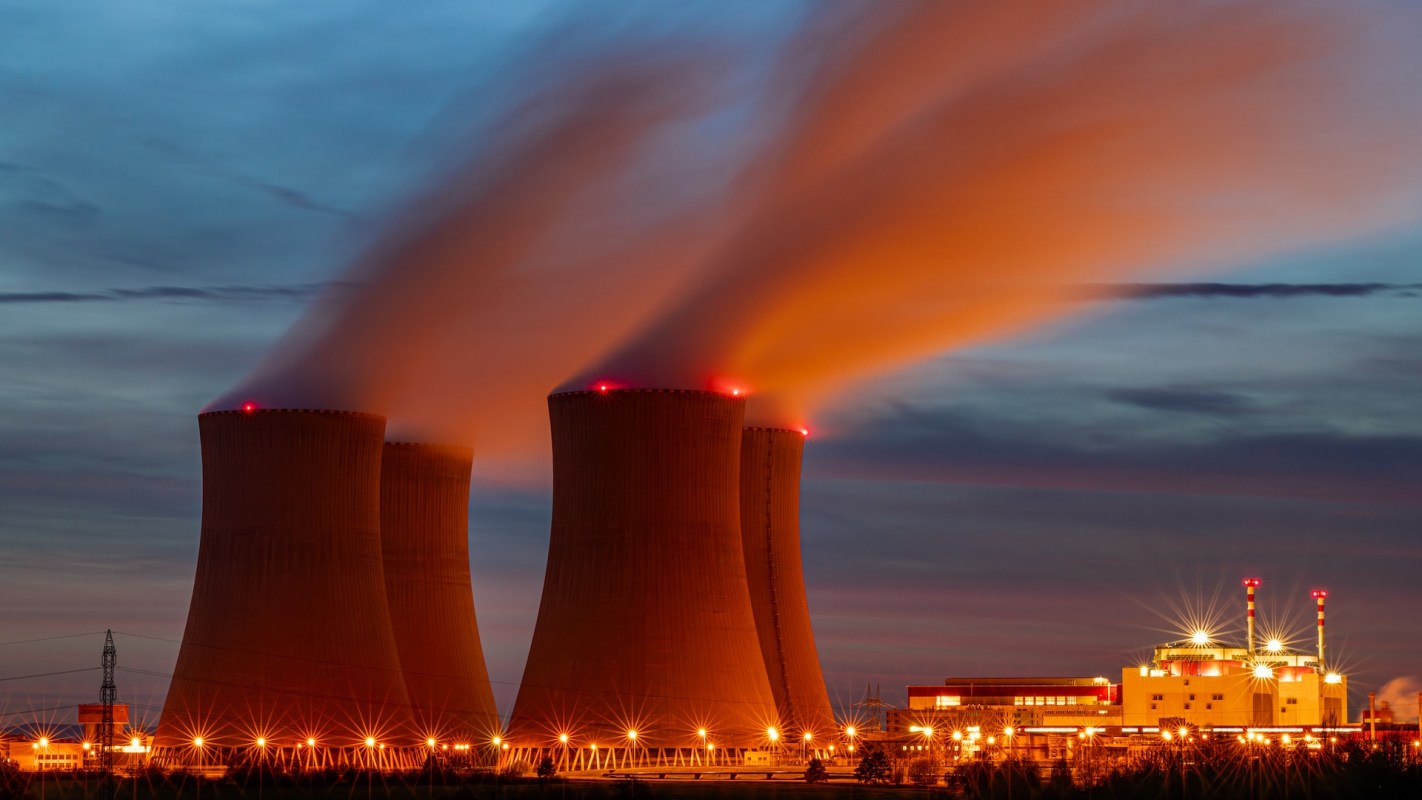
As energy demand continues to skyrocket, stressing our power grid, it's more important than ever to develop clean forms of energy.
Besides solar and wind power, nuclear power offers near-limitless energy without creating the same pollution as gas and coal, and great strides are being made toward its expansion.
1. Small modular reactors
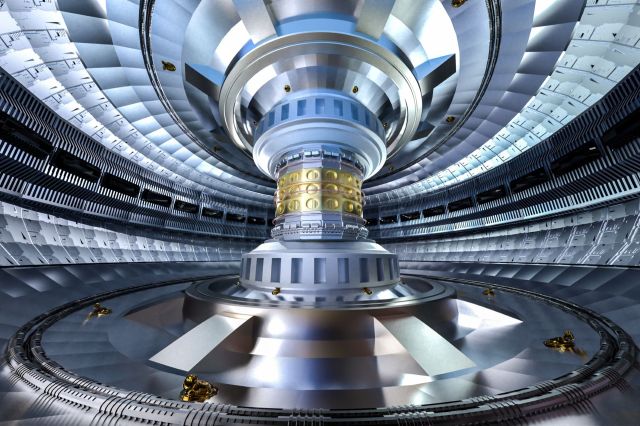
Louisville Gas and Electric and Kentucky Utilities are collaborating with X-energy to explore the possibility of using small modular reactors — or SMRs — to ensure grid stability amid the data center boom, as data centers demand a massive amount of energy.
Supporters of SMRs believe they could provide a lot of power without creating a lot of pollution while taking up less space than a full-sized reactor. They could potentially be built faster as well.
Read more →
2. A surrogate nuclear reactor
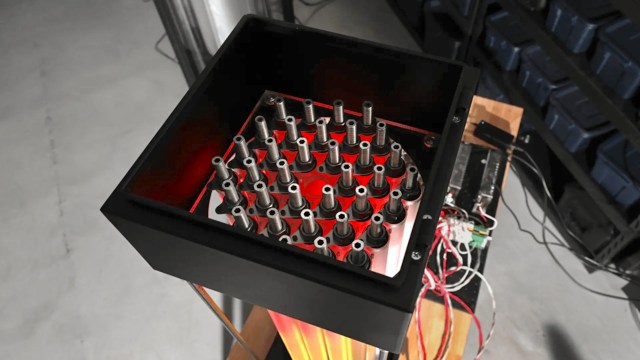
Researchers at Idaho National Laboratory have developed ViBRANT (Visual Benign Reactor as Analog for Nuclear Testing), a telephone-sized reactor that uses only benign materials to safely test and fine-tune future reactors.
ViBRANT speeds up the whole process. With it, the team can achieve a day's worth of operations in about 10 minutes.
Read more →
TCD Picks » Quince Spotlight
💡These best-sellers from Quince deliver affordable, sustainable luxury for all




3. Securing a supply chain
Simply being able to get the parts you need doesn't sound like much of an innovation, but you can't exactly get the necessary components for a nuclear reactor at Home Depot.
Italian startup Terra Innovatum announced that it's secured a supply chain to attain the components it needs for its SOLO small nuclear reactor. While many nuclear projects don't have deployment dates set, because the supply chain is in place, Terra's SOLO is expected to go live in 2028.
Read more →
4. Using AI to speed up the process
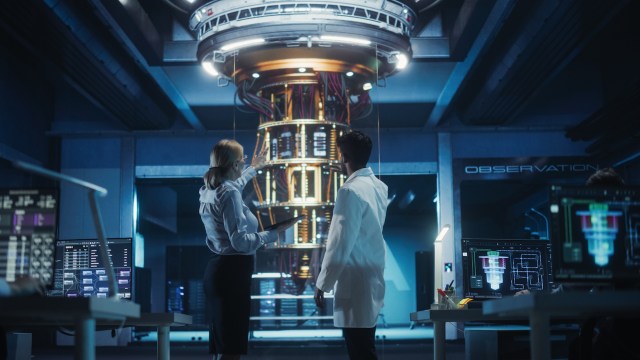
Nuclear fusion is a dream energy source that scientists around the world are working to corral, but it remains just a dream — for now. One of the issues is that for one type of fusion reactor, you need a stellarator, an incredibly complex device used to create a magnetic field strong enough to keep fusion plasma inside.
A new U.S. project called StellFoundry will use artificial intelligence to fast-track stellarator designs by providing digital models with detailed simulations that researchers can use to test designs more quickly.
Read more →
5. A levitating magnet
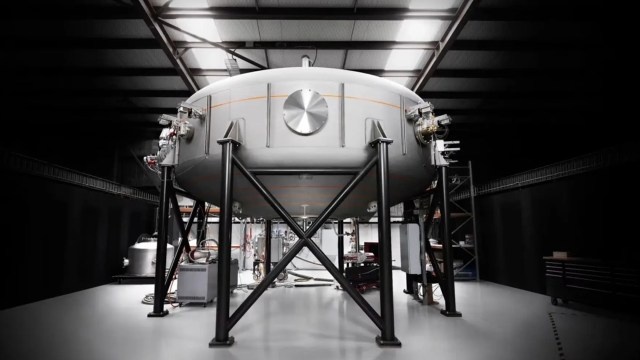
New Zealand startup OpenStar is taking a different approach to fusion energy than most other projects around the world. Rather than stellarators or doughnut-shaped "tokamak" devices to hold the plasma, OpenStar uses a half-ton levitating magnet within its reactor, and early tests have been promising.
The magnet is held in place with another, fixed magnet above it, and it confines the plasma around it without support structures that can interfere with the superheated gas. The company believes it can have a working reactor within five years.
Read more →

Get TCD's free newsletters for easy tips, smart advice, and a chance to earn $5,000 toward home upgrades. To see more stories like this one, change your Google preferences here.






