


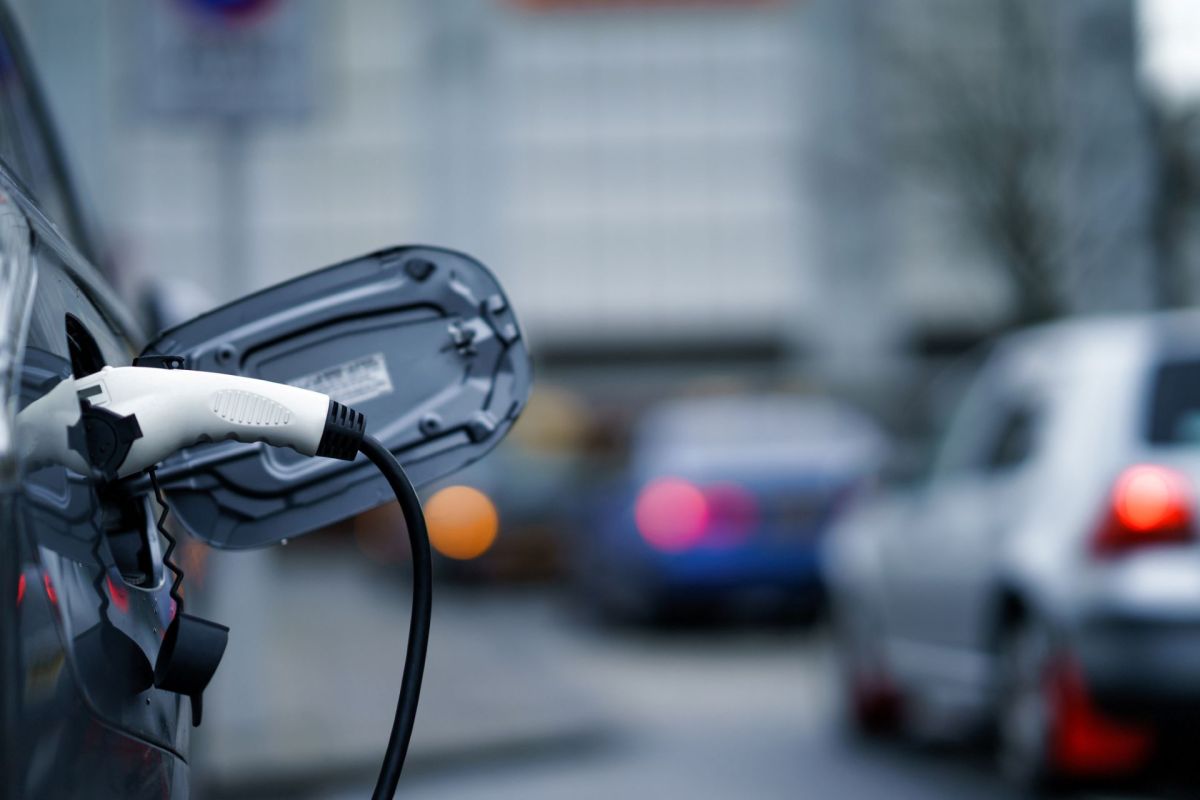
For many drivers, the case for switching to an electric vehicle may have less to do with hype than simple math, as content creator The Electric Viking (@electricviking) details.
A new state-by-state breakdown that forms the focus of his video suggests Americans can save substantial money on fuel alone by charging at home instead of filling up at the pump.
What's happening?
As The Electric Viking discusses in the YouTube post, drivers who replace a typical gas-powered car with a comparable EV and charge it at home can lower fuel spending by about $1,500 per year on average across the U.S.
Washington delivered the highest estimated savings, at roughly $2,350 annually, helped by a mix of expensive gasoline and relatively low electricity prices. Oregon followed close behind in the video, with yearly savings put at a little more than $2,000.
In every U.S. state, the video said, charging an EV at home was cheaper than paying for gasoline, even for people without solar panels. The content creator summed it up simply by declaring "it's way cheaper to own an EV."
The video also pointed to rising consumer interest. In May, just over a quarter of car shoppers said they were very likely to go electric, up 3 percentage points from a year earlier. The video highlighted strong EV market share in California, Washington, Nevada, Hawaii, and Oregon.
TCD Picks » Quince Spotlight
💡These best-sellers from Quince deliver affordable, sustainable luxury for all




Why does it matter?
Because fuel is one of the most noticeable ongoing costs of owning a car, those savings can add up fast. For the average driver in Washington, $2,350 a year works out to about $23,500 over a decade.
That also reveals how much regional energy pricing matters. Where gasoline costs are high and electricity is cheaper, switching to an EV can make strong financial sense even before accounting for lower maintenance costs or available incentives.
That advantage is easy for shoppers to miss, said Cory Caner, research director at the Zero Mission Transportation Association.
"Buyers often overlook fuel costs," Caner said in comments relayed by The Electric Viking. "You see gas signs everywhere, but you don't necessarily see dollars per kilowatt hour signs."
That jibed with YouTube commenters' experience.
"Now, we've been averaging less than $30/mo worth of electricity into her EX30," one wrote. "So, $800/yr+ in just 'fuel' savings."
What can I do?
Drivers with access to home charging often see the biggest convenience and cost benefits, while households with solar panels may save even more.
"I only pay to charge when on road trips," one commenter said.
For households that are not ready to go fully electric, a gradual approach can still make sense. Another commenter noted that in a two-car family, "one would be an EV for local/daily use."
According to The Electric Viking, Caner said EV adoption is most likely to gain lasting momentum in "states where electricity is cheap and gas is expensive."
"Those are the types of places that give you optimism for long-term EV transition because it's really just market forces at work," Caner said, per the video.

Get TCD's free newsletters for easy tips, smart advice, and a chance to earn $5,000 toward home upgrades. To see more stories like this one, change your Google preferences here.






