


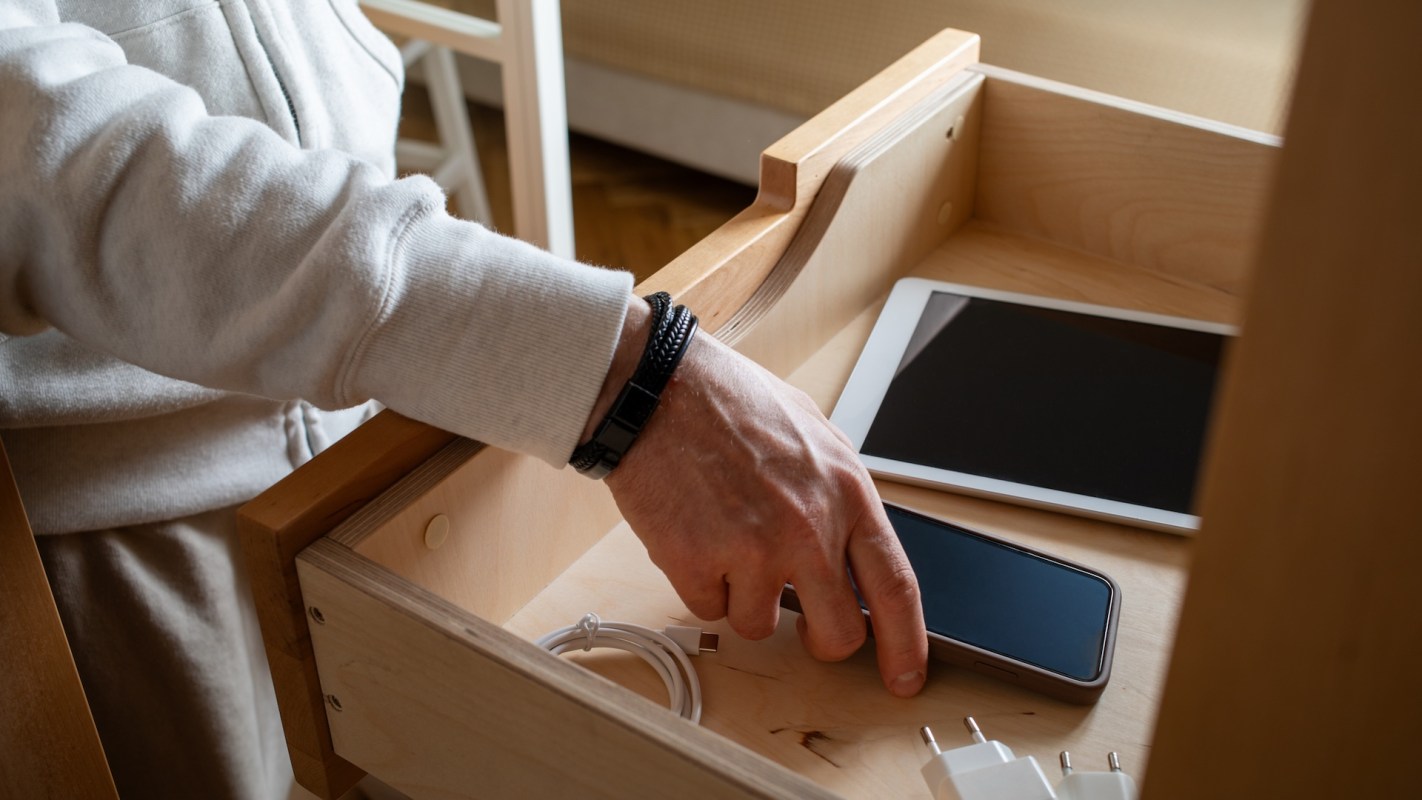
For many retired gadgets, the next stop is neither a recycling drop-off nor another person's hands. Phones, tablets, and smartwatches often end up tucked away and forgotten instead.
A new survey indicates that, for a large share of Americans, storing old tech has become the usual choice, per The Conversation.
What's happening?
A survey of 4,000 U.S. consumers showed that 39% of unwanted electronics were kept in storage rather than moved along.
The research team found that only about 1 in 10 devices were recycled, and roughly the same share was resold. Another 9% were tossed in the trash.
The study was conducted by Eric Williams and Payam Saeedi of the Rochester Institute of Technology and Stacey Watson of the University of Waterloo.
They also looked beyond whether people recycled electronics and examined how consumers chose among several options, including storing, donating, trading in, reselling, recycling, or throwing devices away.
TCD Picks » Quince Spotlight
💡These best-sellers from Quince deliver affordable, sustainable luxury for all




"Storage is the worst of both worlds: A device sitting unused for years loses its resale value, and erasing its data only gets harder over time," the researchers wrote for The Conversation.
The strongest patterns were tied to privacy concerns and uncertainty about disposal options, the researchers revealed. People who worried their personal data might be exposed were more likely to hang on to old devices, and the same was true for consumers who did not know where to recycle them.
The researchers found that concerns about data security made people 14% more likely to store a device rather than recycle it.
Why does it matter?
Leaving old devices in a drawer has consequences for both consumers and the environment.
There is a financial downside to waiting. As electronics sit unused, their resale value declines, so owners may lose the chance to recover more money by selling or trading them in earlier.
There is also an environmental cost. When usable electronics are not reused or properly recycled, the materials inside them remain locked away instead of being recovered and put back into circulation. And when devices end up in the trash, they can worsen the growing e-waste problem.
The researchers found that data security fears drove storage rates even higher than people said they intended.
What can I do?
As the researchers put it, "Recycling and reselling electronics are a lot easier than a lot of people think."
Before selling, donating, or recycling an old phone, tablet, or computer, make sure its data has been erased. It should also be removed from any Apple or Android account. Otherwise, the device can remain tied to the original owner and may not work for someone else.
Once that is done, consumers can explore store recycling programs or secondhand marketplaces. The researchers pointed to Best Buy as one national chain that accepts devices for recycling, while resale platforms such as Back Market and Gazelle can make it easier to find a buyer.
The team is also testing possible solutions, experimenting with information-based interventions and randomized controlled trials to see what nudges actually help people give old electronics a second life.
"The good news is that the main barriers — data concerns and not knowing where to turn — can be addressed with better information," they suggested.

Get TCD's free newsletters for easy tips, smart advice, and a chance to earn $5,000 toward home upgrades. To see more stories like this one, change your Google preferences here.






