


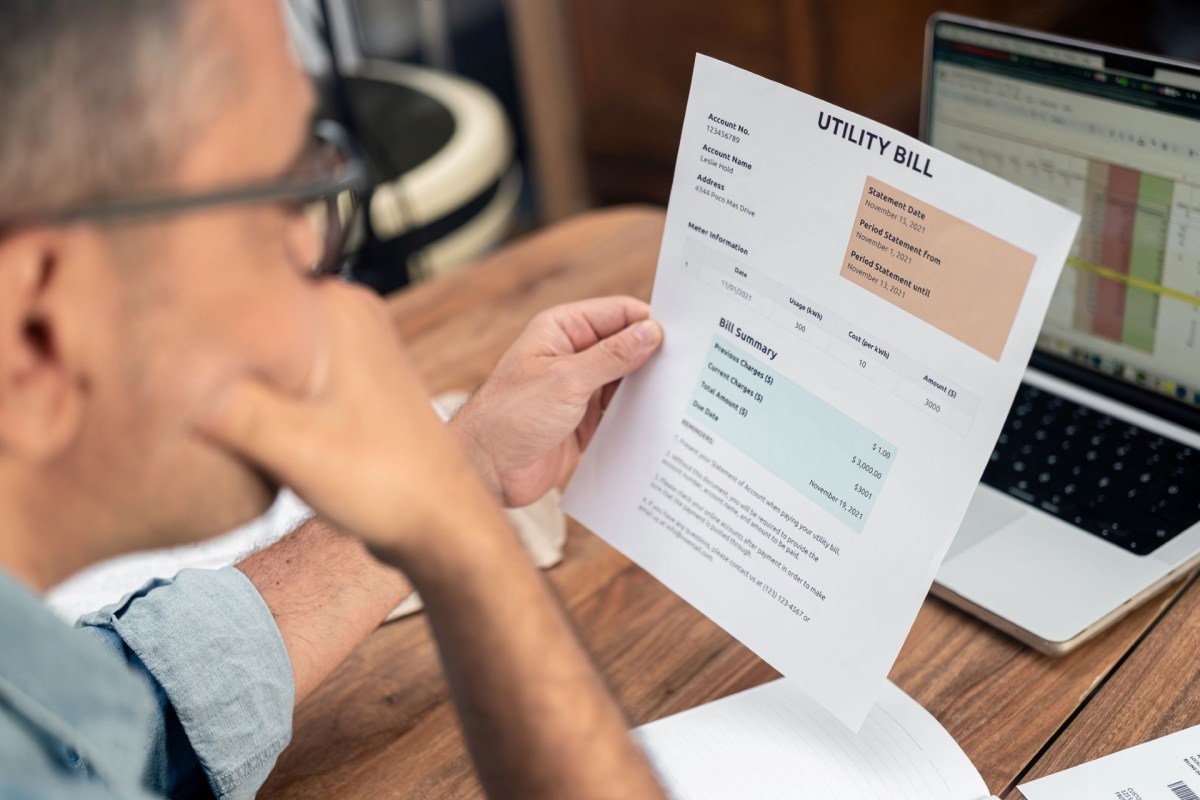
A cut in fuel costs may seem like relief for Georgia households heading into summer. Yet hotter weather can still push monthly electric bills much higher.
For some customers, Georgia Power said summer bills could be more expensive, according to WABE.
What's happening?
WABE reported that many customers are still likely to see higher summer bills because warmer months tend to drive up both electricity use and the rate charged by the utility.
Georgia Power spokesperson Matthew Kent said the costliest time of day usually comes when demand peaks in the afternoon.
"When we need to produce more energy at a peak load like that, especially from the hours of 2 p.m. to 7 p.m., it does cost more to create energy," Kent said to WABE.
WABE reported that when utilities are already producing large amounts of power, meeting additional demand can mean turning on extra turbines at power plants.
TCD Picks » Quince Spotlight
💡These best-sellers from Quince deliver affordable, sustainable luxury for all




For a customer using 1,000 kilowatt-hours in a month, Georgia Power estimates summer bills may be 30% to 50% higher.
Why does it matter?
For families already dealing with high housing, grocery, and transportation costs, a summer spike in power bills can put serious strain on monthly budgets. Air conditioning is often essential in Georgia heat, especially for older adults, children, and people with health conditions.
That helps explain why a fuel rate cut does not always lead to a lower total bill. If air conditioning is running heavily during the late afternoon and early evening, increased usage can quickly wipe out any savings.
Because of that, small efficiency changes can make a difference. Kent said raising the thermostat by one degree can save 3% to 5% — a modest adjustment that could add up over the course of the summer.
What can I do?
Households do not have to begin with expensive upgrades. As WABE noted, unplugging chargers and appliances when they are not in use can cut waste, and a programmable thermostat can keep an empty home from being cooled more than necessary.
Kent said cooling settings are one of the clearest places to look for savings.
"Air conditioning being the most expensive thing that you are powering this summer, knowing when you have that on by using a programmable thermostat, you can really cut your bill throughout the summer," Kent said, according to WABE.
For households prepared to make larger improvements, help may be available. As WABE reported, Georgia Power and Electric Membership Cooperatives offer free home energy audits. Rebates through Georgia Power and the Georgia Environmental Finance Authority can help pay for insulation, sealing, and more efficient appliances or HVAC systems.
Liz Coyle, executive director of Georgia Watch, said homeowners should compare available rebate options before replacing older equipment.
"It's worth looking and checking a variety of sources to see what's available in terms of a rebate for replacing an old HVAC," she said to WABE.
Some customers may also consider alternative pricing plans such as Smart Usage or FlatBill, but WABE reported that Coyle warned that those options can sometimes result in higher costs.
"The good news is there are steps that people can take to make their homes more energy efficient," Coyle said.
And for households considering a larger upgrade, she said to WABE, "That can save thousands of dollars in a year or two."

Get TCD's free newsletters for easy tips, smart advice, and a chance to earn $5,000 toward home upgrades. To see more stories like this one, change your Google preferences here.






