


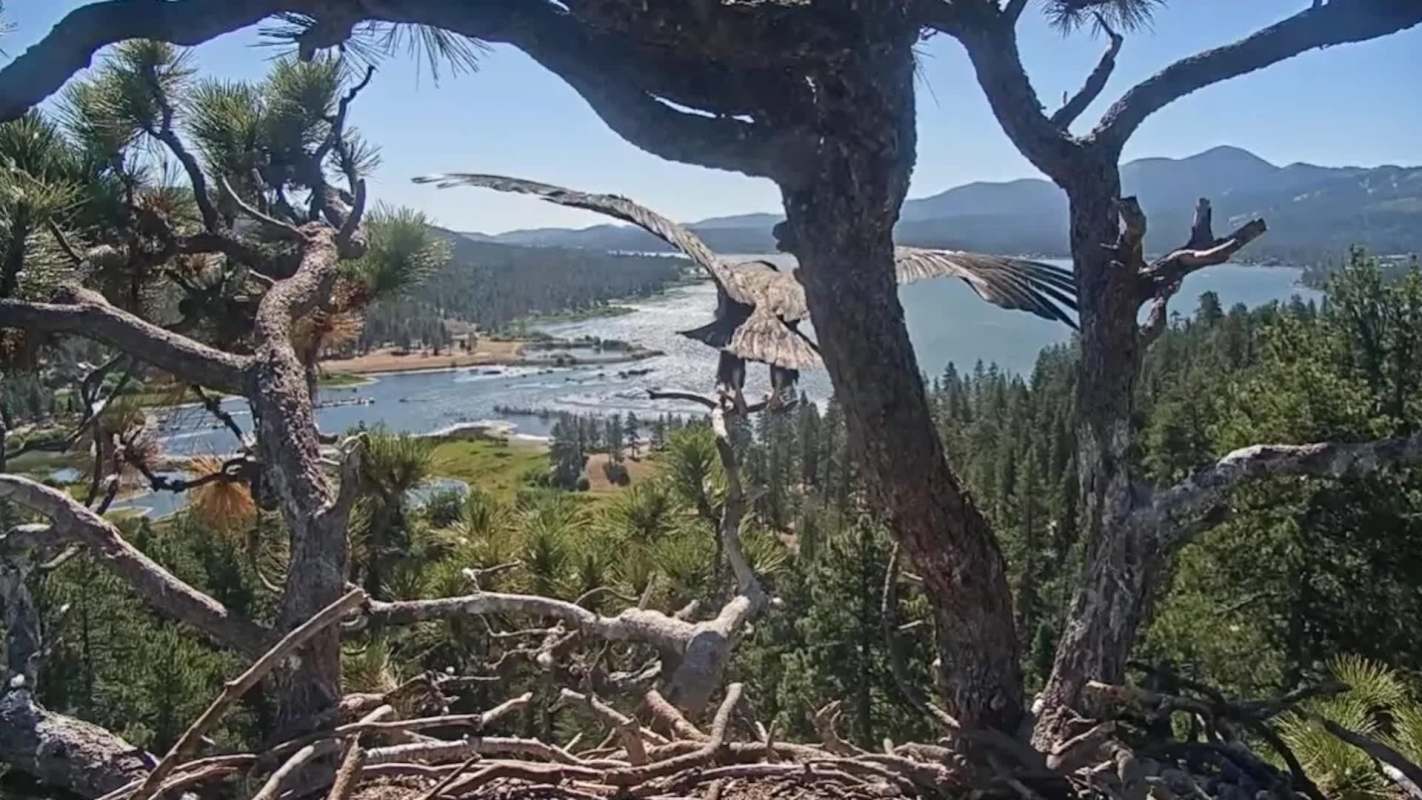
Another milestone has arrived at a closely watched eagle nest in California.
People following the Big Bear eagles have a new moment to celebrate as eaglet Luna left the nest, just one day after Sandy did.
What happened?
As the San Bernardino Sun reported, the widely watched nest reached another key point when Luna departed, giving viewers back-to-back first flights to follow.
Friends of Big Bear Valley and Big Bear Eagle Nest Cam posted the video on Facebook.
As the footage shows, Luna met the moment with confidence and determination. After a slight stumble while adjusting his wings, it was time to take off.
"This morning at 9:24:43 cam time, Luna took the leap of faith and in beautiful form flew gracefully over to the Simba tree where Shadow was waiting for him," FOBBV wrote in the caption. "No hesitation, he just knew he could do it!"
TCD Picks » Quince Spotlight
💡These best-sellers from Quince deliver affordable, sustainable luxury for all




Fledging is one of the most significant transitions in a young eagle's life, as the Sun noted. Leaving the nest does not mean the birds are fully independent, but it is a major step toward surviving in the wild.
The Big Bear nest has become a familiar window into nature through regular wildlife monitoring, including a live cam and frequent updates by FOBBV. To that point, on Instagram, the organization noted that Luna's sibling Sandy was spotted lower down in the same tree later on.
Why does it matter?
A successful fledging can reflect broader environmental conditions. Bald eagles rely on clean water, secure nesting areas, and a steady food supply to raise their young successfully. Their recovery is a positive conservation story for a national symbol.
First flights are risky. Young eagles often remain nearby for days or even weeks as they build strength, practice landing, and continue relying on their parents for food. Getting out of the nest is a major achievement, but it is not the end of the story.
The Big Bear eagles also offer a chance to watch wildlife in real time. Public interest in a species can translate into support for habitat protection, cleaner waterways, and policies that reduce human disturbance around nesting areas.
What's being done?
Running the nest camera lets the organization behind it raise awareness about the eagles while allowing the public to watch from afar.
Keeping people away from active nest sites can reduce stress on the birds. Instead of crowding into sensitive habitat, viewers can follow online while biologists, volunteers, and land managers continue monitoring conditions.
Giving nesting birds space, properly disposing of trash, and keeping fishing line and other hazards out of forests and lakes can all help protect raptors and other wildlife.
In this case, there is some concern that a nearby July 4 celebration could upset the young eaglets and their parents, as the Sun noted. That prompted a petition to move the event further away from the family.
The Sun reported that the Visit Big Bear organization will still hold the celebration, citing a tough snow season that hurt tourism.
"Big Bear's tourism ecosystem is fragile too, and the Fourth of July holiday is part of the broader effort to help our community recover heading into the summer season," the organization wrote in a statement.

Get TCD's free newsletters for easy tips, smart advice, and a chance to earn $5,000 toward home upgrades. To see more stories like this one, change your Google preferences here.







