


A single trip to a salvage grocery store changed one shopper's view of grocery spending.
Posting on the r/frugal subreddit, they estimated that $25 bought more than four times the worth of that in food, and they came away thinking differently about what they had been paying at regular supermarkets.
What happened?
"Went to a salvage grocery store for the first time," they wrote in the title. "Spent $25 and got over $100 worth of food."
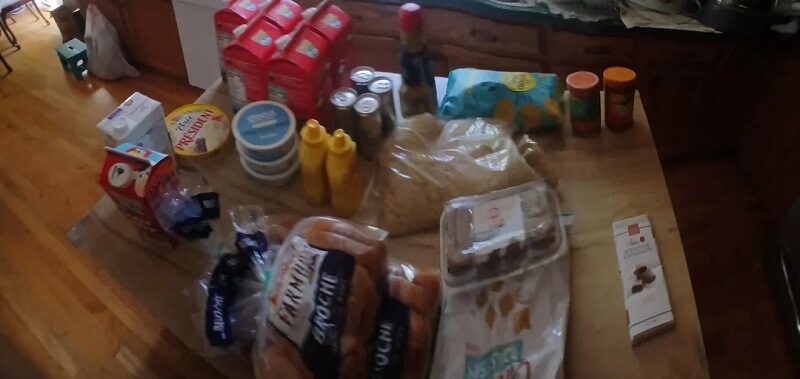
A photo demonstrated that it was a massive haul. They picked up a healthy amount of dairy, dairy substitutes, bread, snacks, and condiments for just $25.
According to the shopper's follow-up post, the store is open to the public with a $5 annual membership and no income requirements. Its nonprofit operator buys products that standard retailers need to rotate out and then resells them at a discount.
"Now I'm thinking of all the money I wasted on high end retail chains and feeling hungry most of the month," the original poster added.
TCD Picks » Quince Spotlight
💡These best-sellers from Quince deliver affordable, sustainable luxury for all




Others in the thread said that kind of saving is common.
"I shop at our local one and regularly spend about $20 when if I bought the same things at Publix, it would easily cost $120+," one wrote.
The visit also came with a lesson. After unpacking their groceries at home, the OP discovered that one carton of almond milk had already expired. That amounted to a reminder to check dates closely, though it was only a $1 loss for the OP.
Why does it matter?
As food prices remain a strain for many households, stores that sell surplus inventory can make everyday groceries more affordable without forcing shoppers to completely change how they buy food.
Many products are removed from store shelves because they need to be rotated out, not because they are unusable. When those items go to salvage grocers or food banks instead of the landfill, edible food stays in use and shoppers get access to lower prices.
People in the discussion also noted that some grocery chains already reroute food that can no longer be sold through normal retail channels.
"The grocery chain I work for sends our expired food to the local food bank so at least we aren't throwing it out," one wrote.
That mix of lower grocery bills and less wasted food is what makes salvage stores appealing to many shoppers.
What can I do?
If you want to find a salvage store nearby, try searching terms such as "grocery outlet," "discount grocery," or "liquidation grocery." Store Facebook pages can also be useful for spotting deal updates or newly arrived inventory.
When shopping, look over packaging carefully, check expiration or best-by dates, and make sure refrigerated products appear to have been kept at the proper temperature.
Damaged cans drew especially strong warnings from commenters.
One advised to "be super careful of dented cans … the risk is botulism — which is no joke." Deeply dented, bulging, or leaking cans should be skipped.
For people looking to reduce grocery costs, salvage stores can help stretch a monthly budget while supporting a system that keeps more food from being thrown away.

Get TCD's free newsletters for easy tips, smart advice, and a chance to earn $5,000 toward home upgrades. To see more stories like this one, change your Google preferences here.







